
01Character
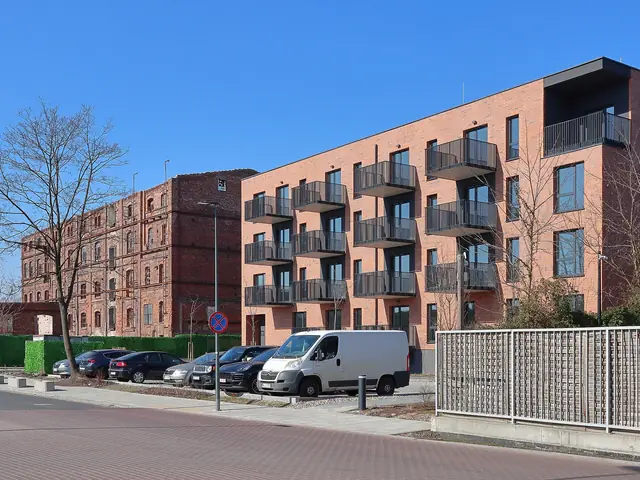
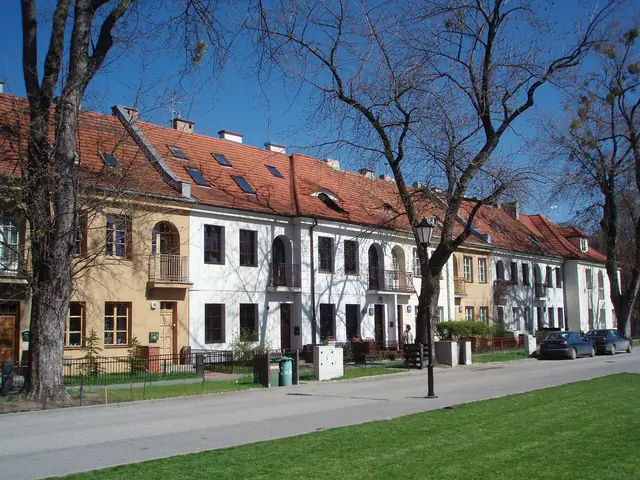
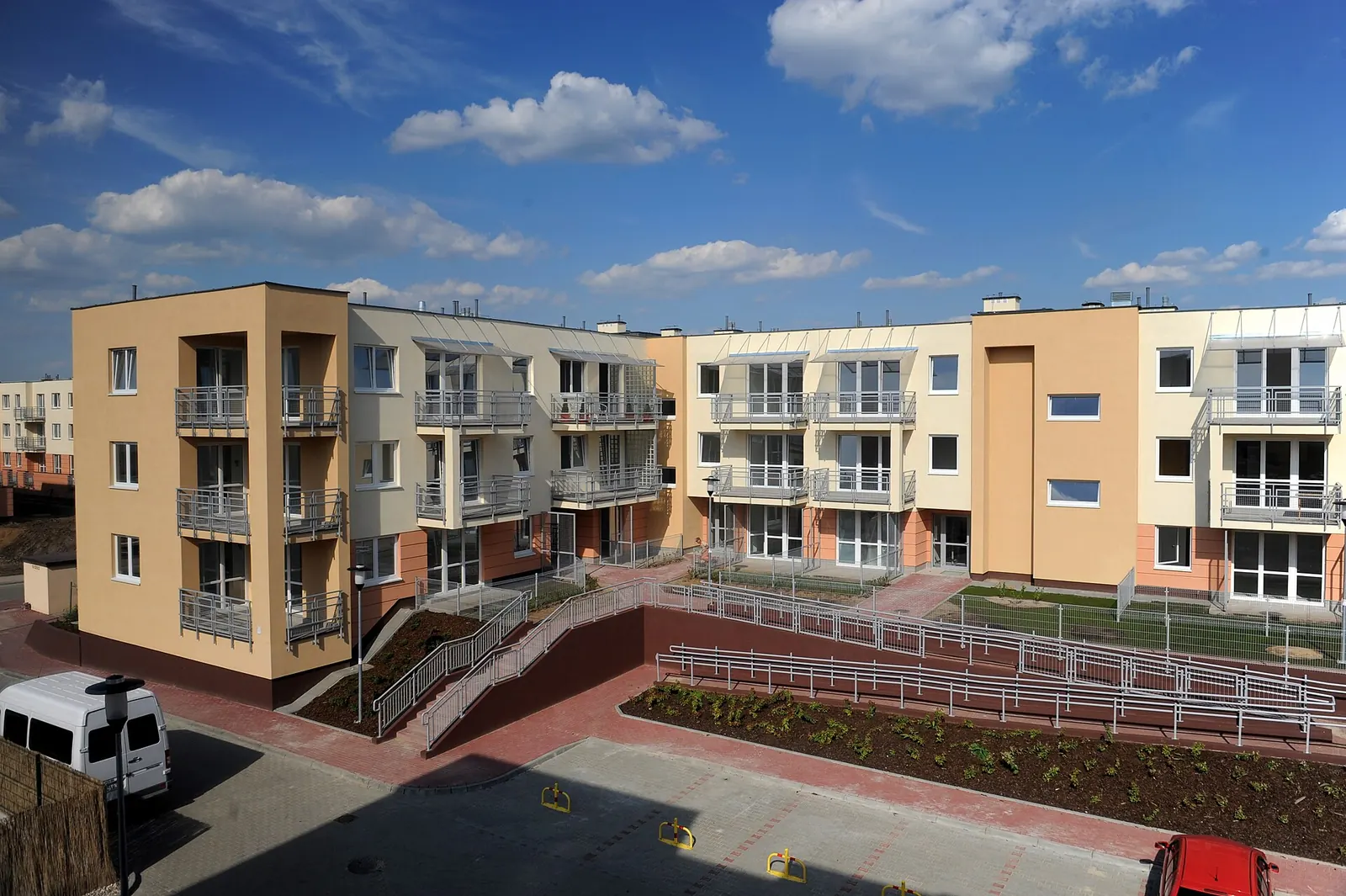
As late as the end of the 20th century Białołęka was largely semi-rural: villages, fields, allotments and the industrial area of Żerań, with its power plant and port on the Żerań Canal. The first large estates appeared in Tarchomin in the 1980s and 90s, and after 2000 the district became one of Warsaw's biggest building sites.
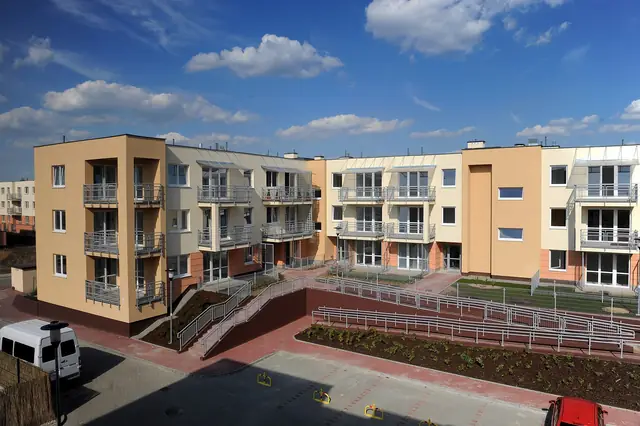
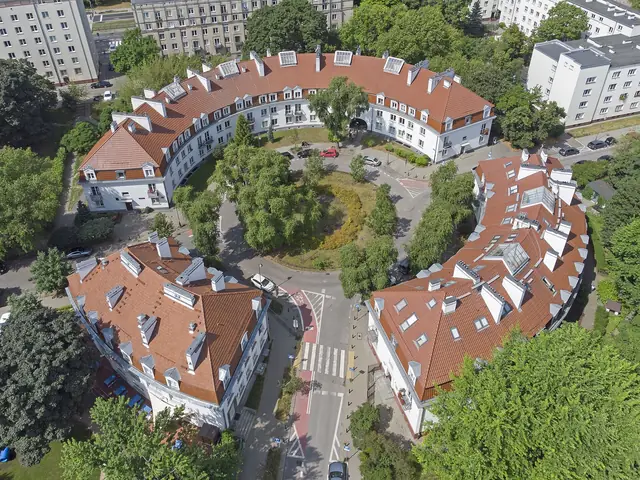
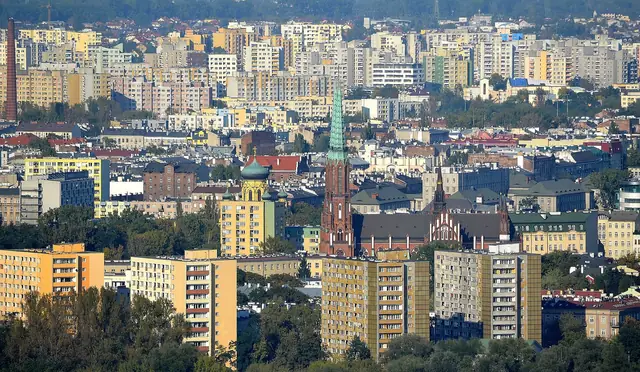
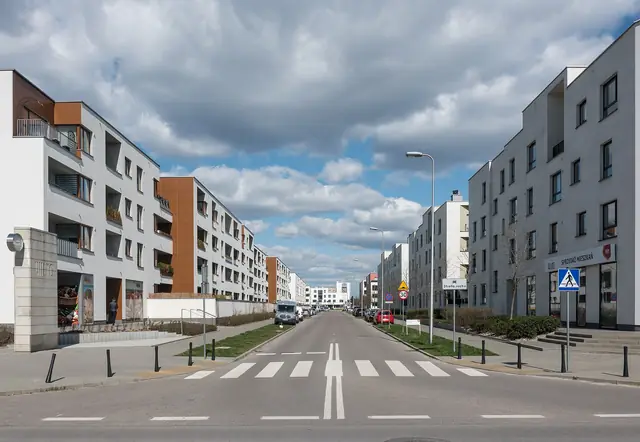
Today it is a patchwork: 1980s blocks in Tarchomin, dense developer estates in Nowodwory and Brzeziny, and right next to them detached houses, greenery and open fields. The atmosphere is calm and family-oriented, but infrastructure has not always kept pace with the population — some areas are short of schools, nurseries and good links to the rest of the city. Residents value the space, the new buildings and the closeness to nature.
02Neighbourhoods
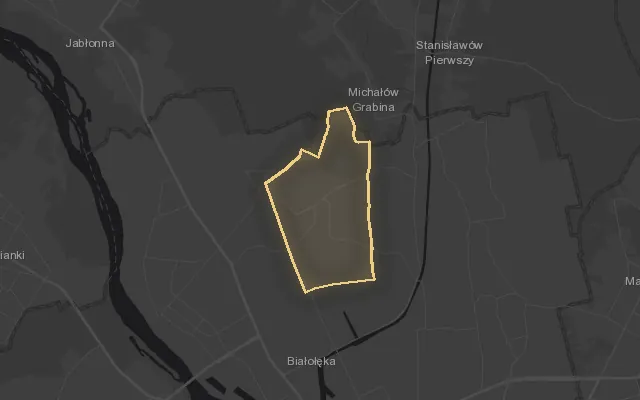
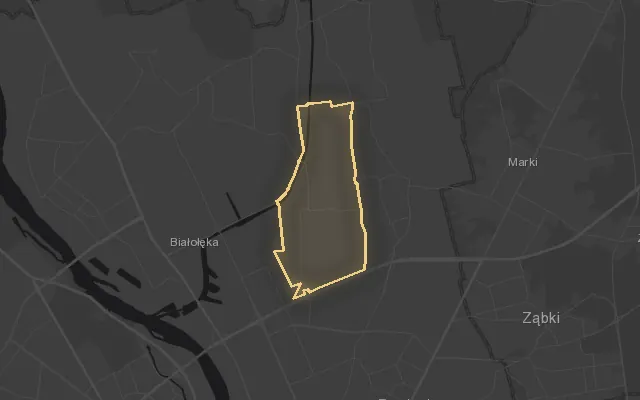
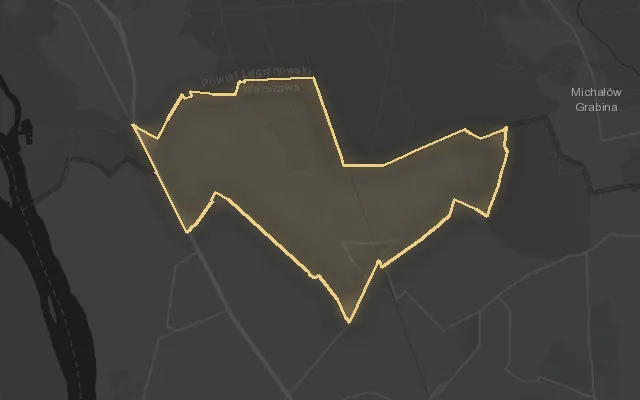
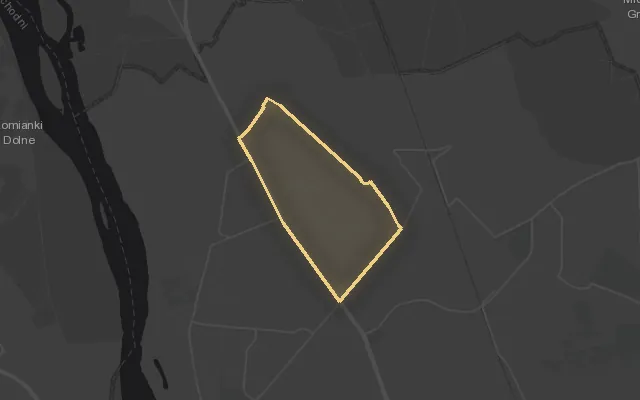
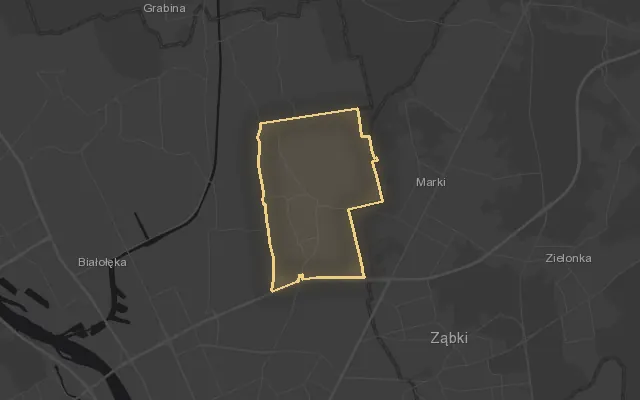
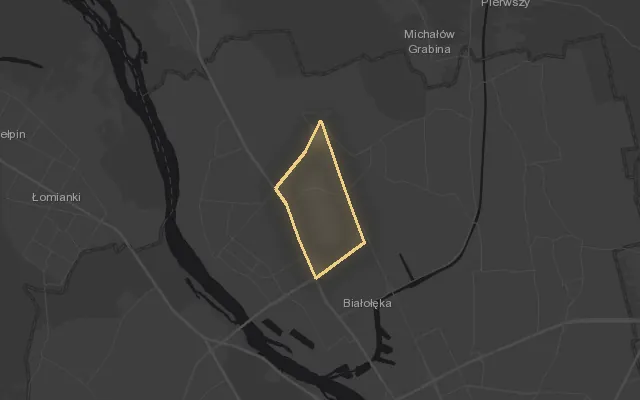
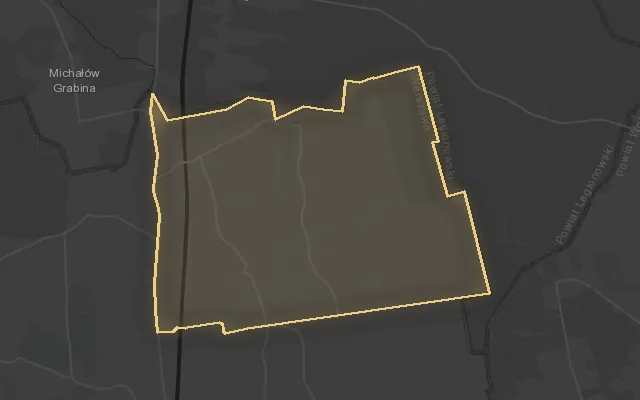
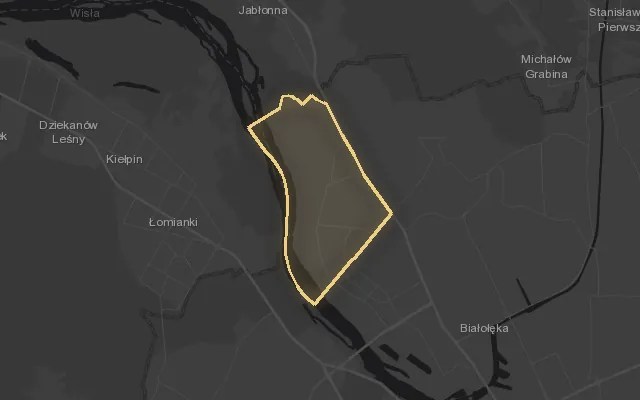
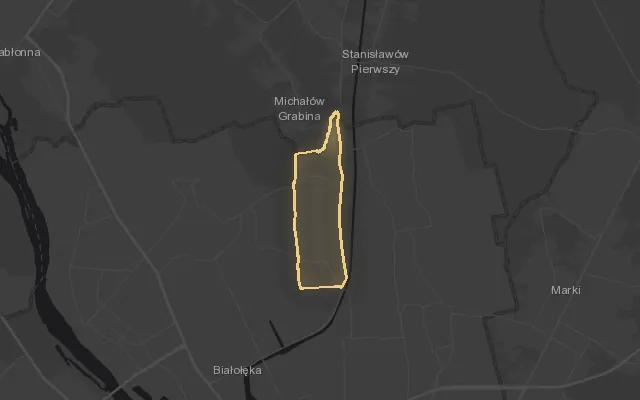
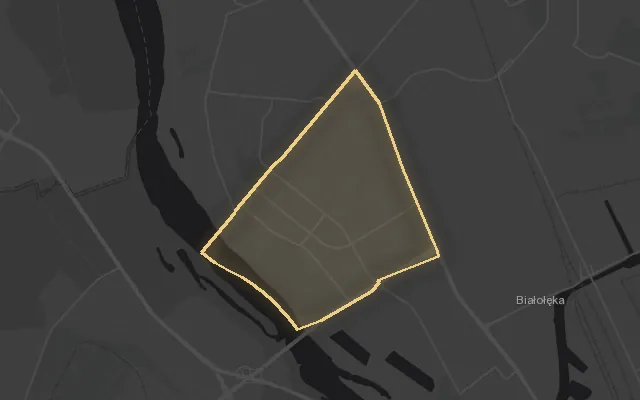
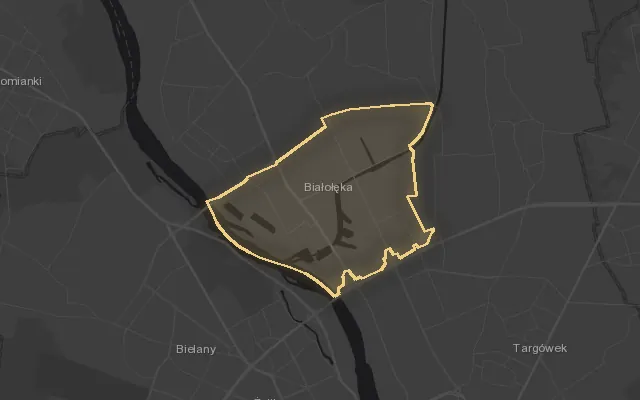
Most rental flats are in Tarchomin, the district's largest and best-connected area, followed by Nowodwory and Brzeziny with their newer buildings. Żerań is industrial but also has new estates by the canal. Szamocin, Grodzisk and Białołęka Dworska mix new blocks with houses, while Choszczówka, Henryków, Kobiałka and Dąbrówka Szlachecka are mostly detached homes among the trees.
03Everyday life
Białołęka is a frequent choice for young families and couples who want a new flat with a balcony or small garden on a tighter budget. Many newcomers to Warsaw, including families from Ukraine and Belarus, settle here because of the price. Remote IT workers like the quiet and the extra floor space. Students and anyone commuting daily to the centre should be ready for a longer journey.
04Transport
There is no metro. Trams run from Tarchomin across the Maria Skłodowska-Curie Bridge to Młociny on the M1 line, from where the centre is another 15 minutes or so. The eastern part of the district has railway stops including Warszawa Płudy and Warszawa Choszczówka, served by SKM and Koleje Mazowieckie trains. The main roads are ul. Modlińska, the S8 (Trasa Toruńska) and the Skłodowska-Curie Bridge; Modlińska is one of the city's most congested streets in the morning peak. Getting to the centre usually takes 30–50 minutes depending on where you live and when you travel.
05Green space
Białołęka has plenty of open space: the Vistula riverbank, wilder and less landscaped than in the centre, the Żerań Canal with walking and cycling routes, and woodland around Choszczówka and Białołęka Dworska. New estates have playgrounds and small parks, and to the north the recreational areas of Jabłonna and Legionowo are close. For larger sports and cultural venues, though, you usually have to travel to other districts.
06Rental market
Białołęka is one of the cheapest districts to rent in: as of autumn 2026 there were around 2,200 listings, at an average of about 68 zł/m². The median rent is around 2,890 zł a month. As a rough guide, a studio (kawalerka) costs about 2,150 zł, a two-room flat about 2,850 zł and a three-room flat about 3,650 zł. You will usually also pay the czynsz administracyjny (building service charge), typically 500 to 1,400 zł depending on size. New flats in Tarchomin near the tram are the most expensive.
● Pros
- Some of the lowest rents in Warsaw
- Large supply of new flats
- Calm, family-friendly area
- Vistula, canal and woods nearby
- More space for your money
● Cons
- No metro
- Traffic jams on Modlińska
- Long commute to the centre
- Infrastructure lags behind new housing