
01Character
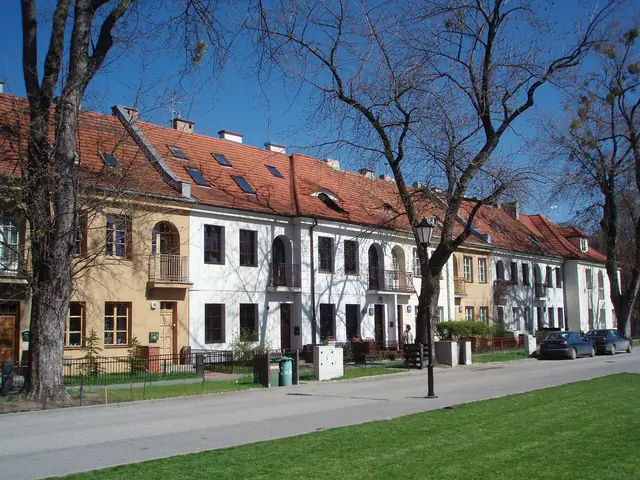
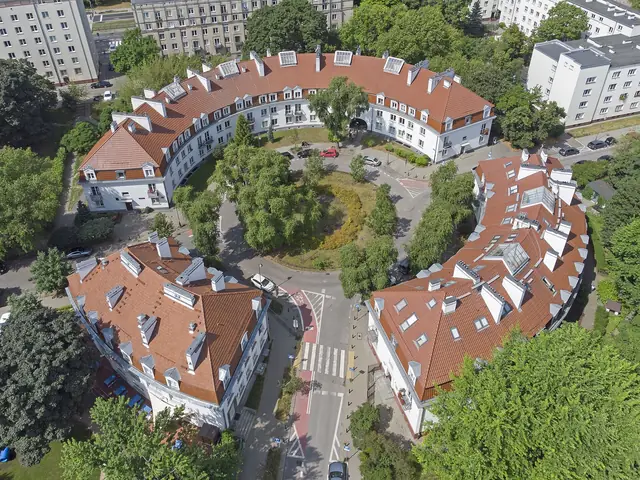
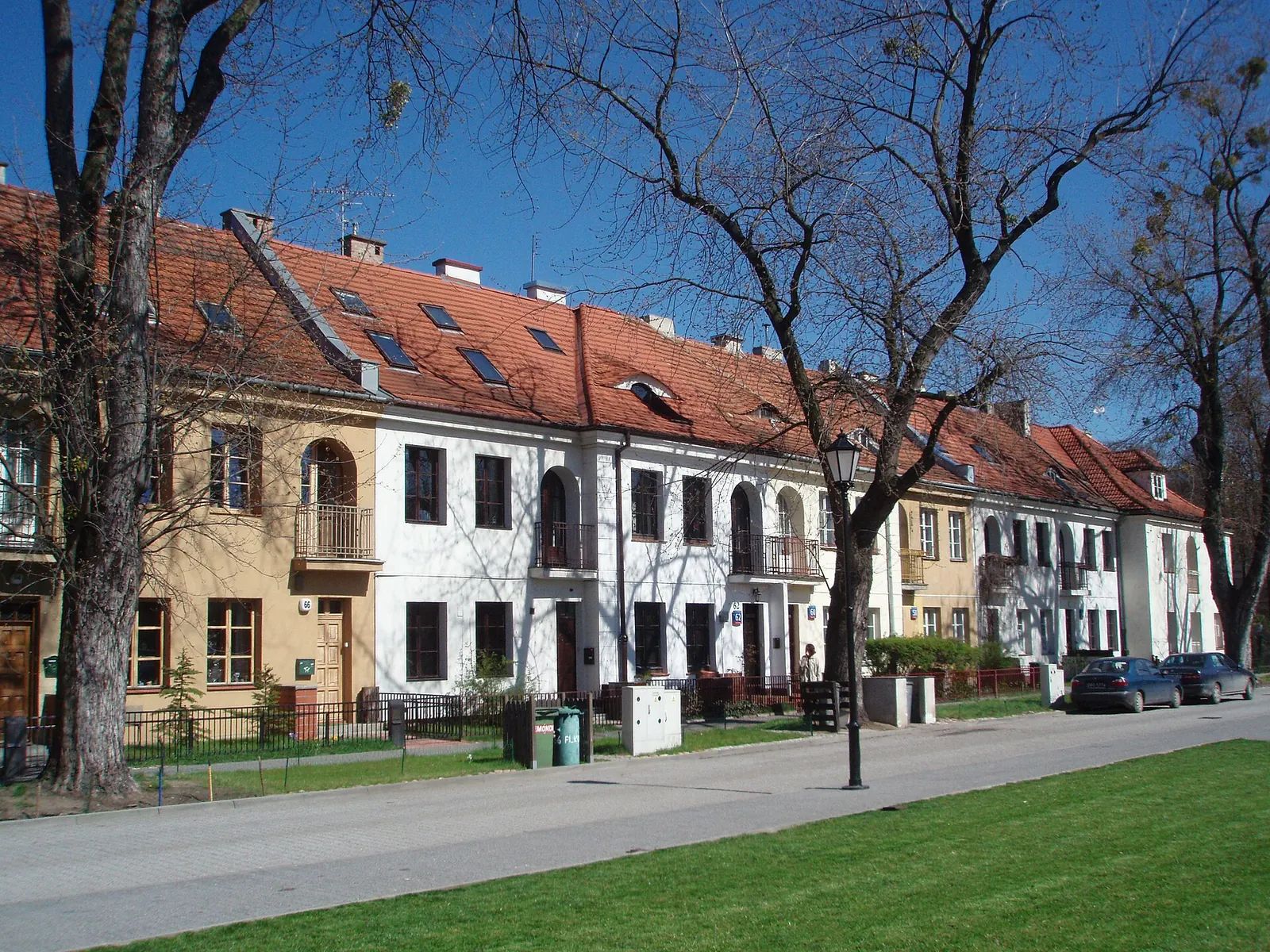
The district's name is linked to the Camaldolese monks, whose church and former monastery still stand in Bielany Forest (Las Bielański). Modern Bielany took shape between the wars: Stare Bielany is low-rise, with villas, tenement houses and leafy streets around pl. Konfederacji and ul. Żeromskiego. After the war the Huta Warszawa steelworks grew up in the north of the district, and in the 1970s and 80s large estates of blocks followed: Wrzeciono, Chomiczówka, Wawrzyszew and Słodowiec.
Today Bielany combines three worlds: the intimate pre-war streets of Stare Bielany, sprawling prefab estates by the metro, and new developments in Młociny and Piaski. It has a reputation as green, calm and fairly traditional, with a distinct academic touch thanks to the AWF sports university and the UKSW campus. In the evenings, life centres on Stare Bielany and its cafés and pubs.
02Neighbourhoods
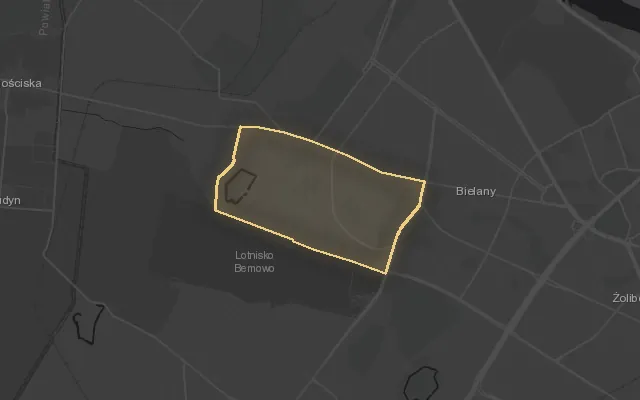
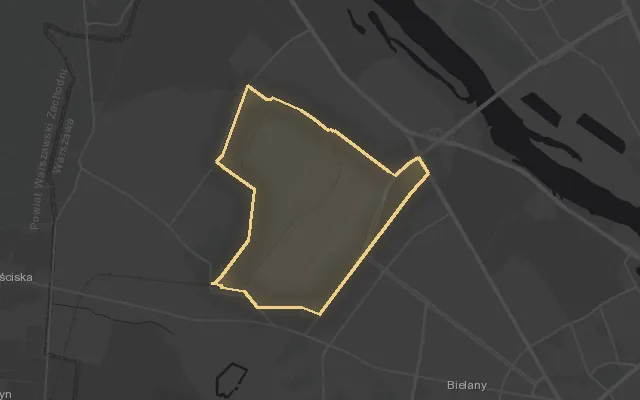
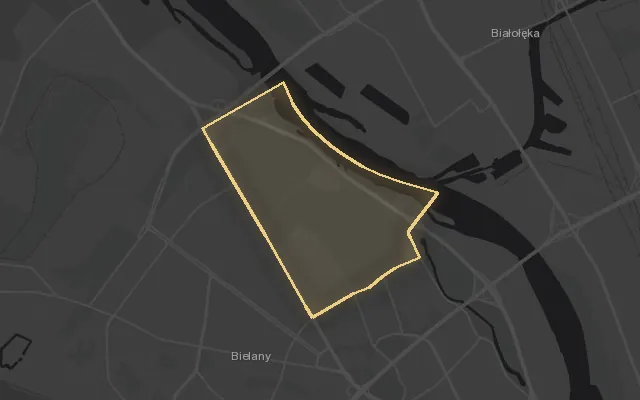
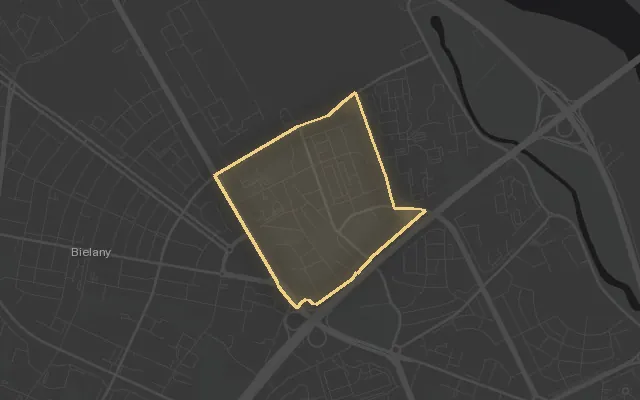
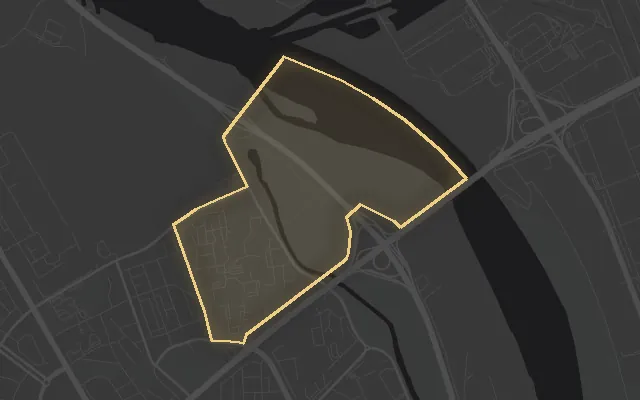
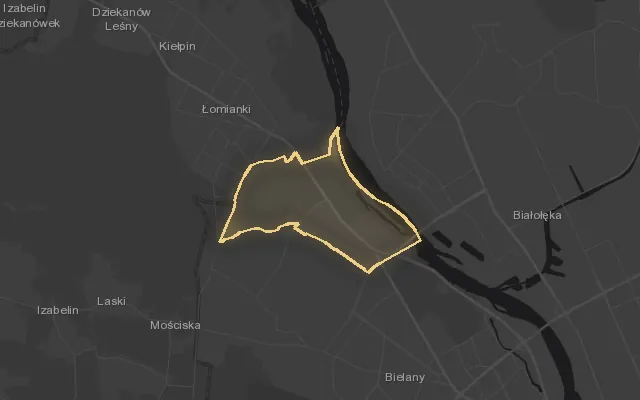
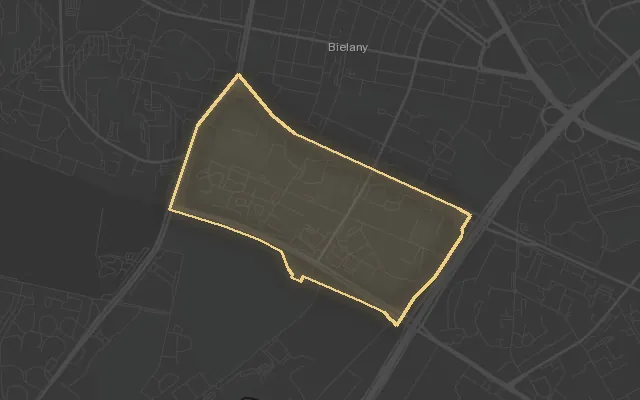
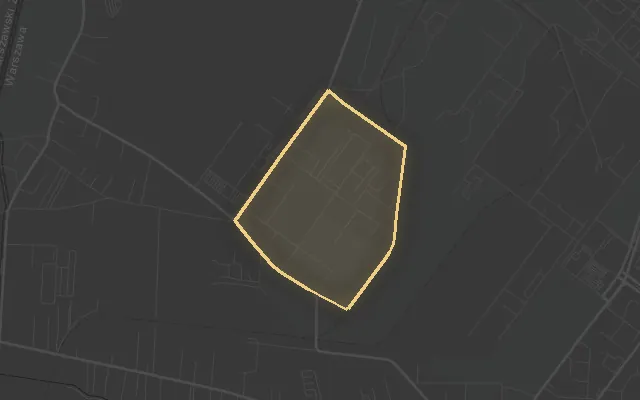
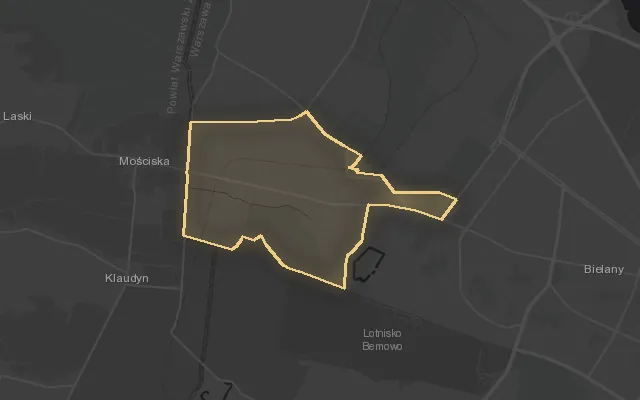
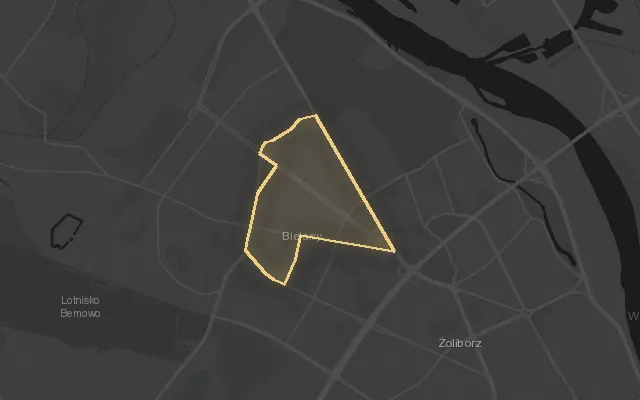
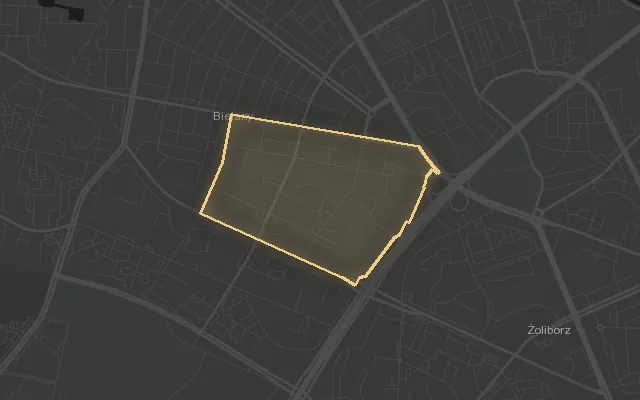
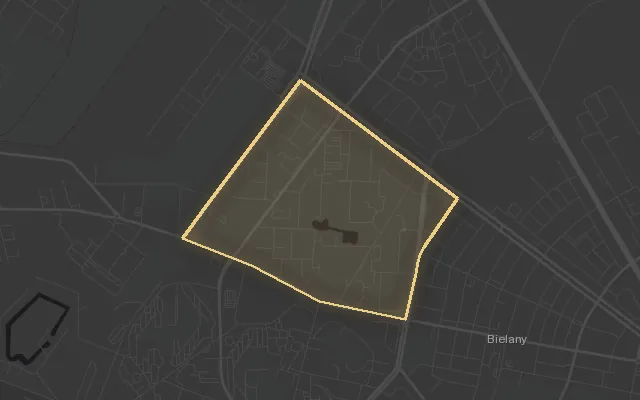
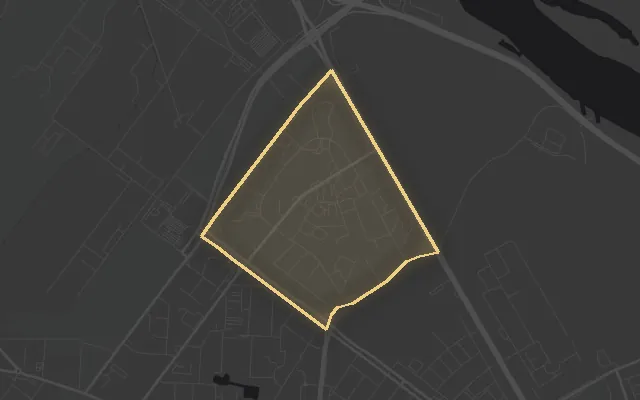
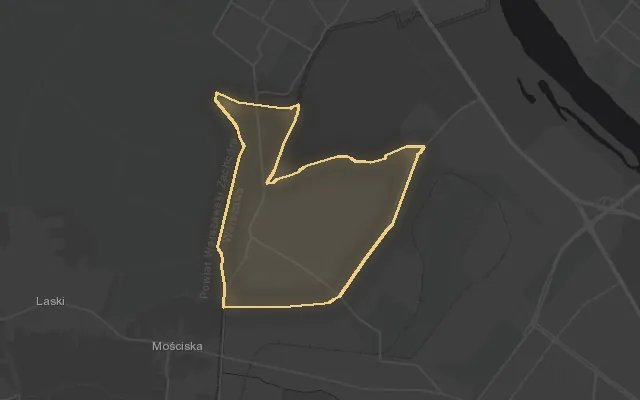
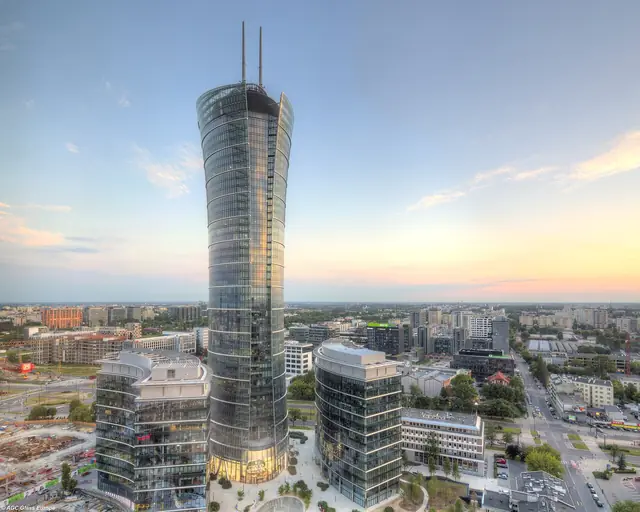
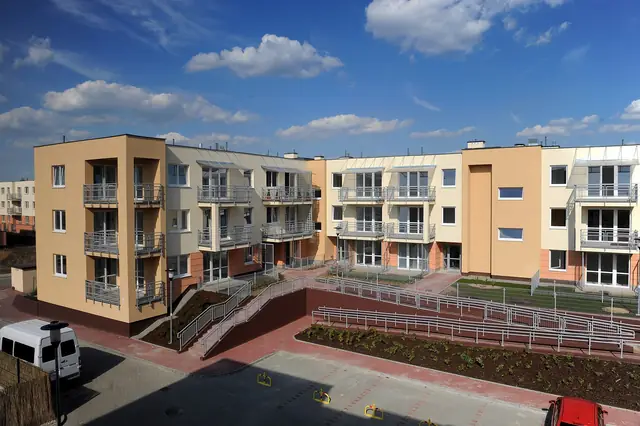
Stare Bielany, with its pre-war buildings, has the most character. Many rental listings are in the estates along the metro: Słodowiec, Wawrzyszew, Wrzeciono and Chomiczówka. Młociny is a transport hub surrounded by newer blocks, Piaski and Ruda (Marymont-Ruda) have mixed housing, and Marymont-Kaskada sits next to Żoliborz. In the west are Huta, Radiowo, Placówka and Wólka Węglowa, which are more industrial or suburban.
03Everyday life
Bielany works well for students at AWF and UKSW and for anyone who wants to live on the metro for less than in Żoliborz or Mokotów. Families favour Stare Bielany, Wawrzyszew and Chomiczówka for the schools and greenery. IT and office workers in the centre value the direct metro link, and expats like the quiet and the forest nearby.
04Transport
The M1 line runs through the district with stations at Marymont, Słodowiec, Stare Bielany, Wawrzyszew and Młociny; from Młociny to Centrum takes about 20 minutes. Młociny is also a major tram and bus hub, with trams crossing the Maria Skłodowska-Curie Bridge to Tarchomin. Trams also run along Marymoncka, Broniewskiego and Kasprowicza. The main roads are the Wisłostrada, Marymoncka, the S8 (Trasa Armii Krajowej) and ul. Kasprowicza; jams are most common on the approaches to the S8 and the bridge.
05Green space
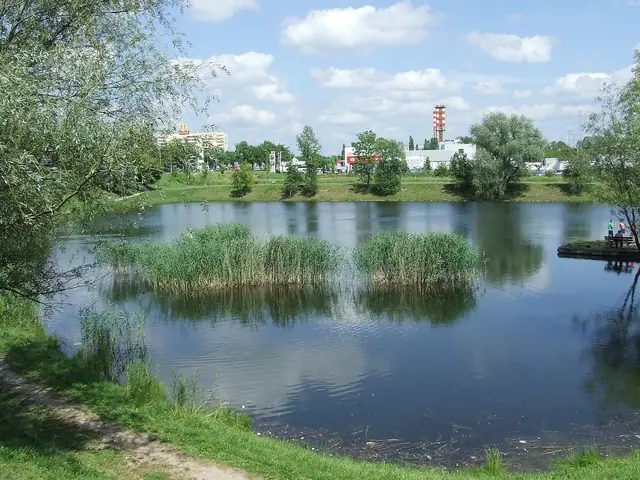
Bielany is one of Warsaw's greenest districts. Bielany Forest is a nature reserve on the Vistula escarpment, home to the Camaldolese church, and Młociny Park is a large woodland in the north. Add Lasek Lindego, the riverside paths and beaches, and Kampinos Forest a short trip away. Thanks to AWF there are plenty of sports facilities, and Stare Bielany is known for its small cafés and pubs.
06Rental market
As of autumn 2026 there were around 2,800 rental listings in Bielany, at an average of about 73 zł/m². The median rent is around 2,855 zł a month. As a rough guide, a studio (kawalerka) costs about 2,300 zł, a two-room flat about 3,050 zł and a three-room flat about 3,950 zł. You will usually also pay the czynsz administracyjny (building service charge), typically 500 to 1,400 zł depending on size. Stare Bielany and new buildings near the metro are pricier; blocks in Wrzeciono and Chomiczówka are cheaper.
● Pros
- M1 metro through the district
- Bielany Forest and Młociny Park
- Rents below the city average
- Charm of Stare Bielany
- AWF and UKSW universities
● Cons
- Many older prefab blocks
- Traffic near the S8 and bridge
- Parts of the district far from the metro
- Industrial area around Huta