
01Character
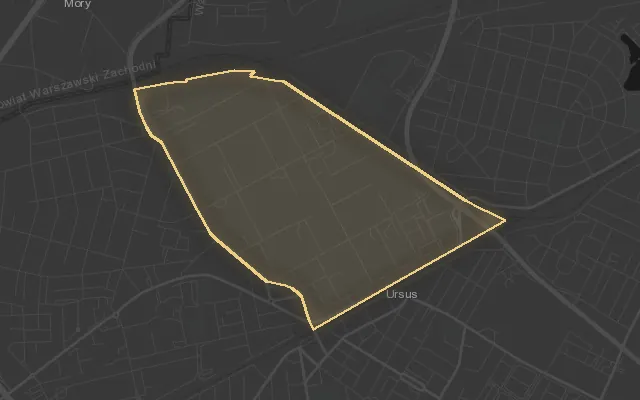
For most of the 20th century Ursus was a separate town, known above all for the Ursus engineering works and its tractors. It became part of Warsaw in 1977 and has been a district in its own right since 2002. That industrial past is still visible: alongside 1970s and 80s housing blocks you find detached houses, old workers' buildings and traces of the factory.
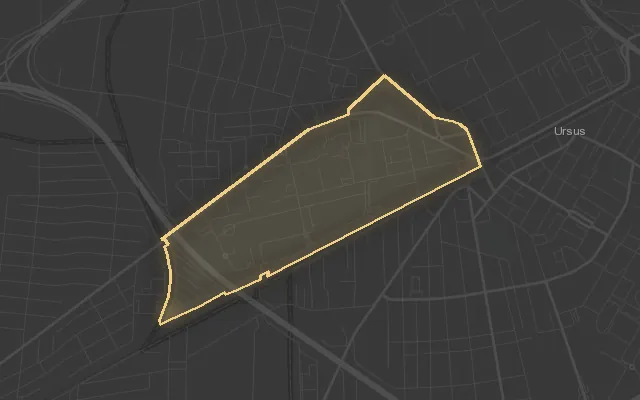
Ursus has changed faster than most of Warsaw over the past decade or so. The former factory grounds between the railway and al. Jerozolimskie are turning into a whole new neighbourhood with apartment blocks, schools and services, and the population keeps growing. The mood is calm and fairly suburban — a district for people who want a newer flat at a sensible price and don't mind taking the train rather than the metro.
02Neighbourhoods
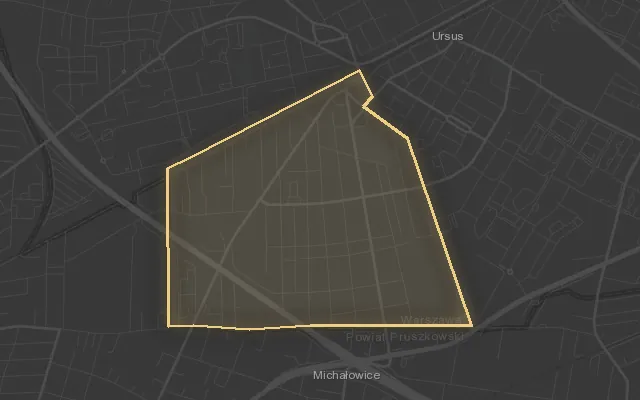
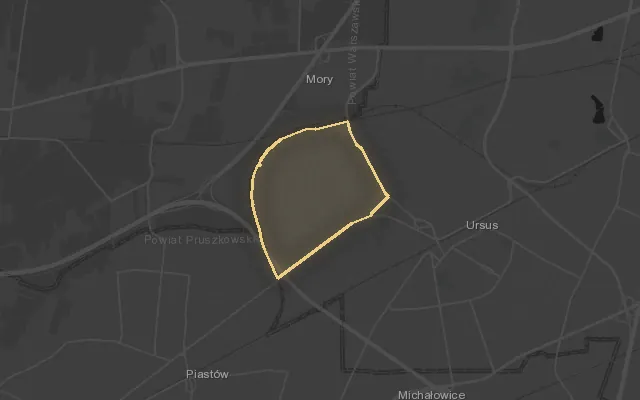
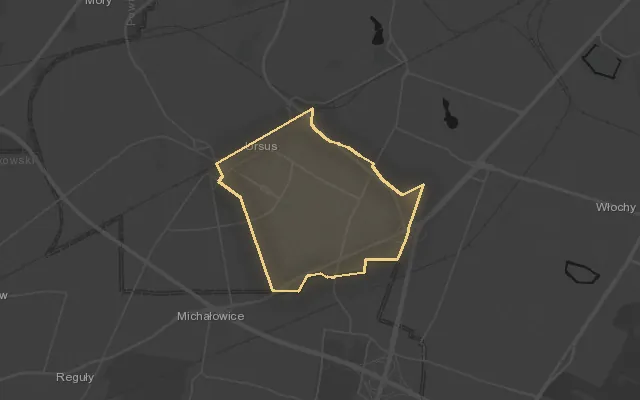
Most of the new building is in Szamoty and on the old factory land near Ursus Północny station, while Czechowice is the historic heart of Ursus, with the town hall, schools and a market. Skorosze, by al. Jerozolimskie, mixes older blocks with new buildings, Niedźwiadek is an estate around the station in the south, and Gołąbki in the north is mostly detached houses on quiet streets.
03Everyday life
Ursus mainly appeals to young families and couples who want a larger, newer flat on a budget that wouldn't stretch as far closer in. It also works for people employed along al. Jerozolimskie, in Włochy or near the airport. Students choose it less often because of the commute, but for remote IT workers or expats with a car it is a reasonable trade-off between price and quality.
04Transport
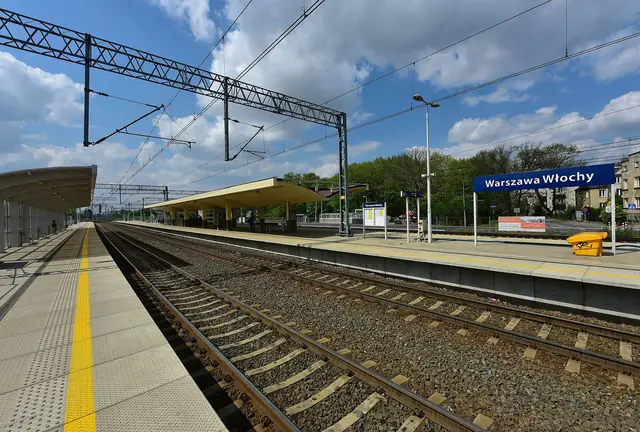
There is no metro in Ursus; rail is its strength. SKM and Koleje Mazowieckie trains stop at Warszawa Ursus, Ursus Północny and Ursus-Niedźwiadek, taking about 20 minutes to Śródmieście and less to Warszawa Zachodnia. Buses fill the gaps, including links to the M2 metro in Bemowo and Wola. Drivers use al. Jerozolimskie and nearby junctions on the S8 and S2 expressways, though heading into town at rush hour can be slow.
05Green space
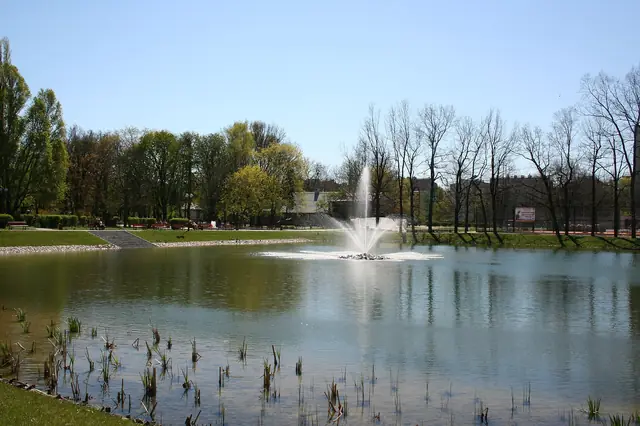
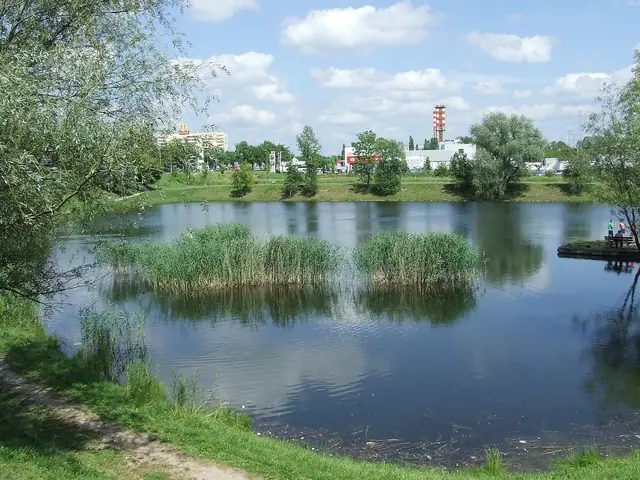
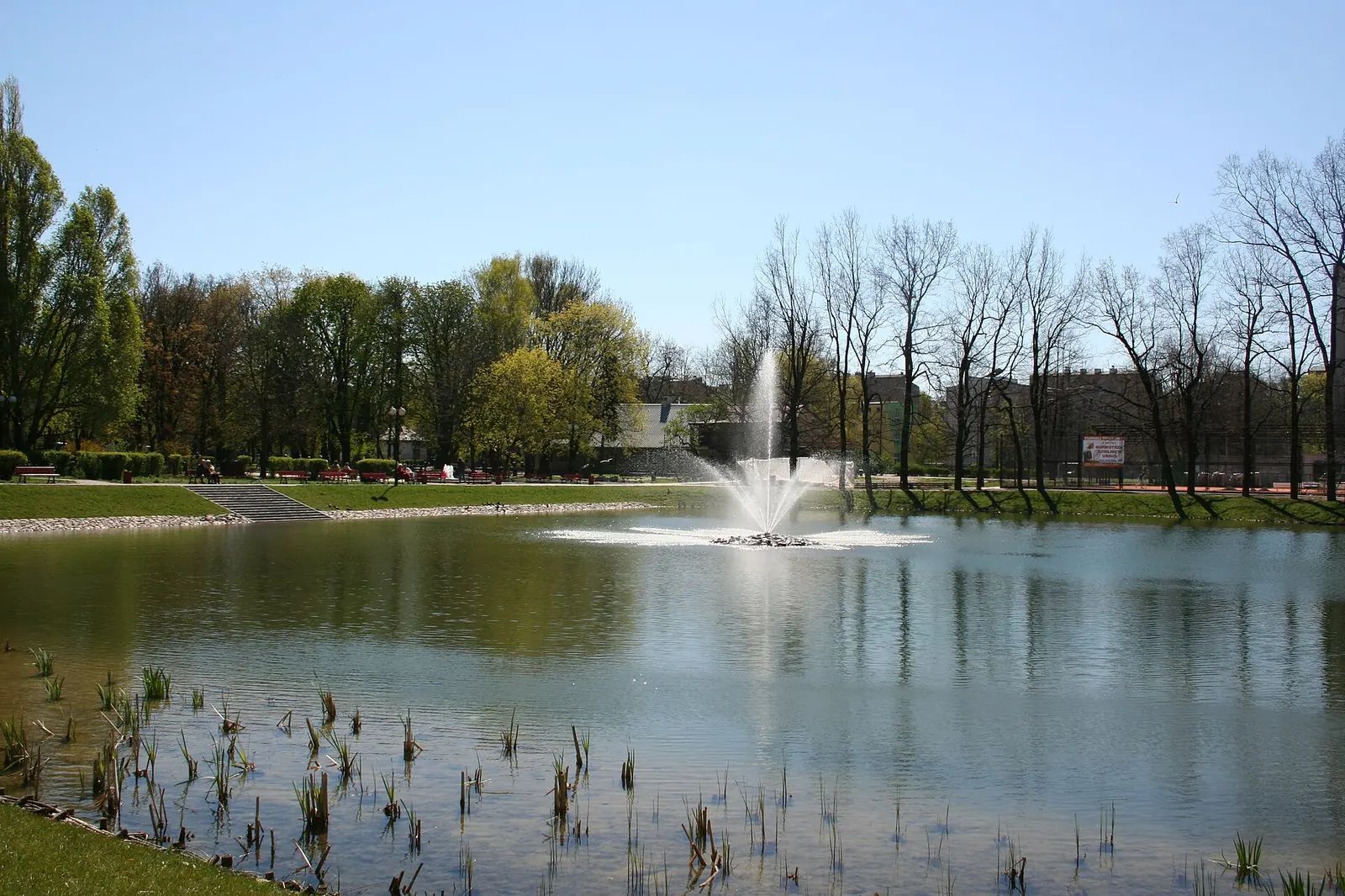
There are no large forests, but there are several parks and squares, the best known being Park Czechowicki. New estates usually have their own courtyards and playgrounds, and to the west and north the land opens up into suburban countryside that is good for cycling. Bigger green spaces such as Fort Bema and Lasek Bemowski are a short trip away in neighbouring Bemowo.
06Rental market
The rental market in Ursus is smaller than in central districts: in autumn 2026 there were around 170 flats listed on Otodom, at an average of around 76 zł/m². As a rough guide, a studio (kawalerka) costs about 2,400 zł, a two-room flat about 3,150 zł and a three-room flat about 4,100 zł a month. You will usually also pay the czynsz administracyjny (building service charge), typically 500 to 1,400 zł depending on size. Many listings are in new buildings with underground parking, often charged separately.
● Pros
- Lots of newly built flats
- Lower rents than central districts
- Quick SKM trains to the centre
- Calm, family-friendly area
- Close to the S8 and S2 expressways
● Cons
- No metro
- Plenty of construction still going on
- Few large parks
- Traffic on al. Jerozolimskie