
01Character
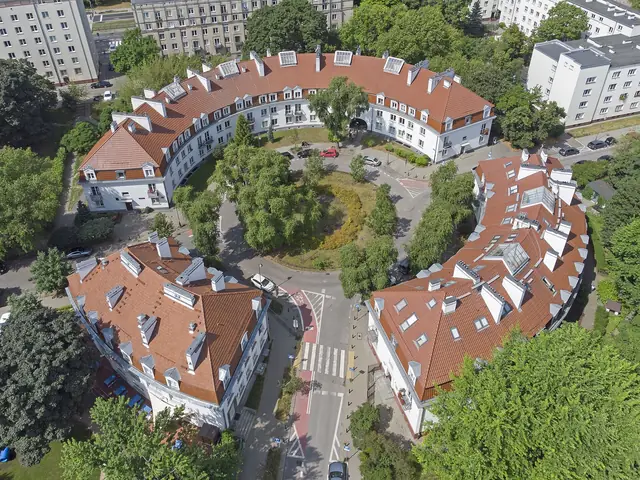
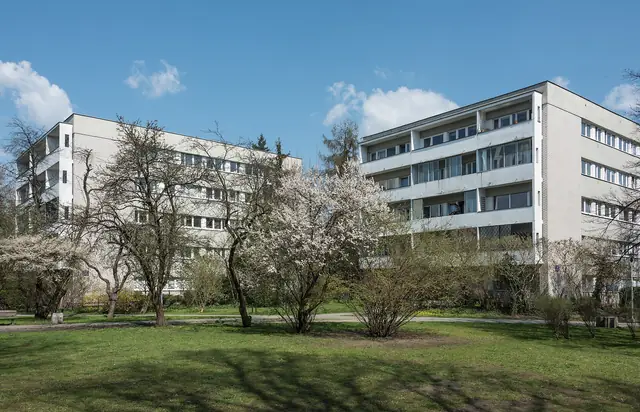
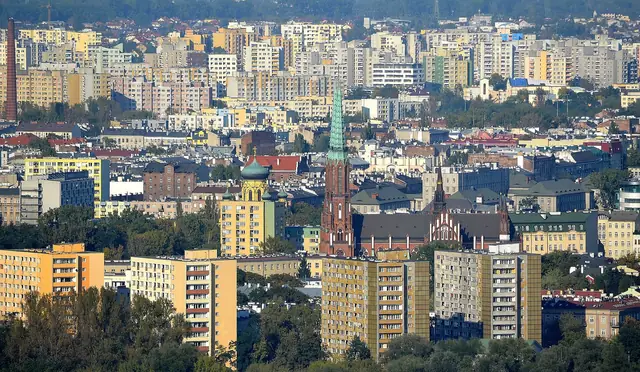
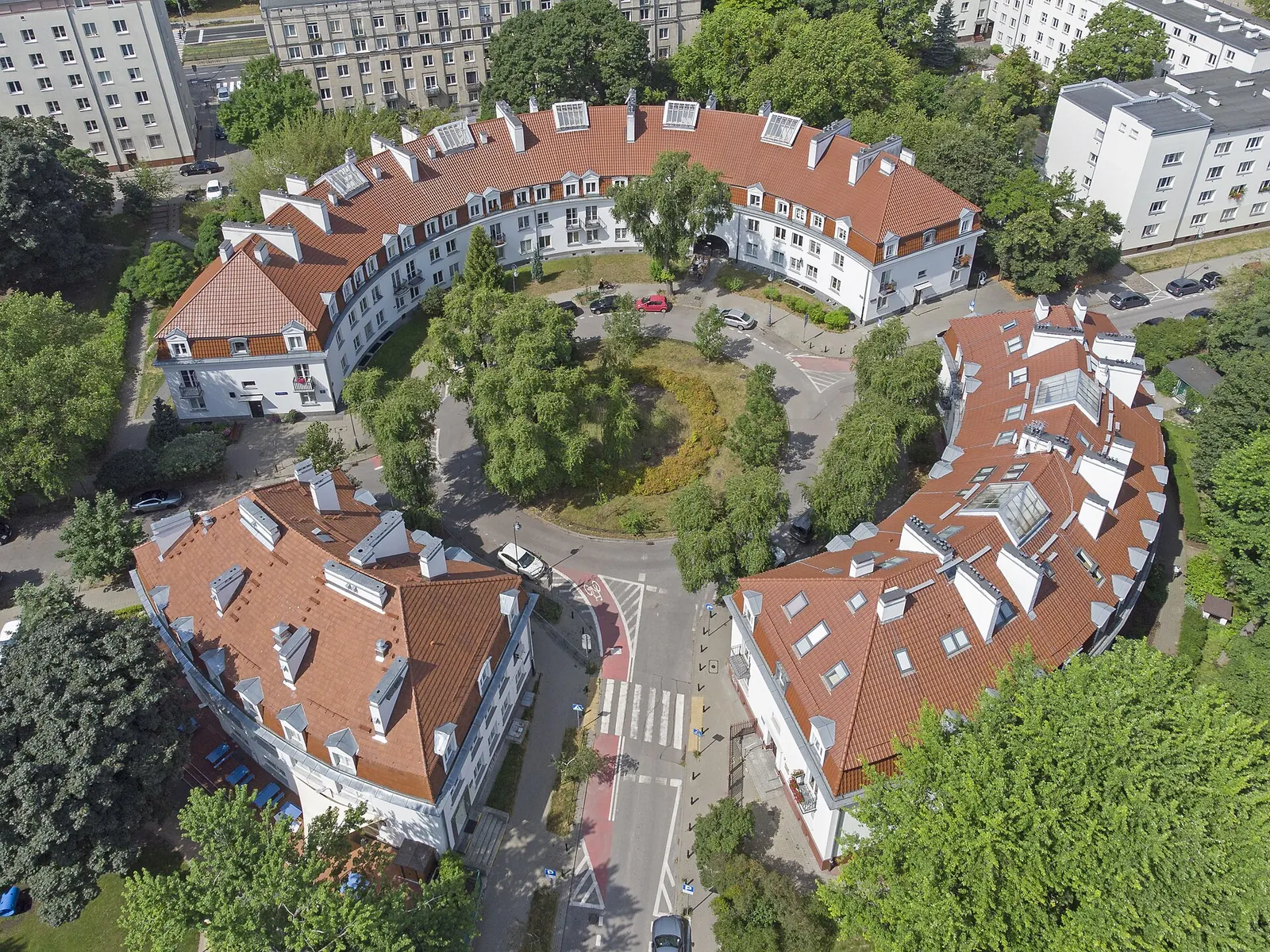
Much of today's Żoliborz took shape between the wars. That era produced villa colonies built for army officers, civil servants and journalists — Żoliborz Oficerski, Urzędniczy and Dziennikarski — as well as the pioneering estates of the Warsaw Housing Cooperative (WSM). The district centres on plac Wilsona, with streets radiating out from it, while the 19th-century Warsaw Citadel marks its edge towards the city centre.
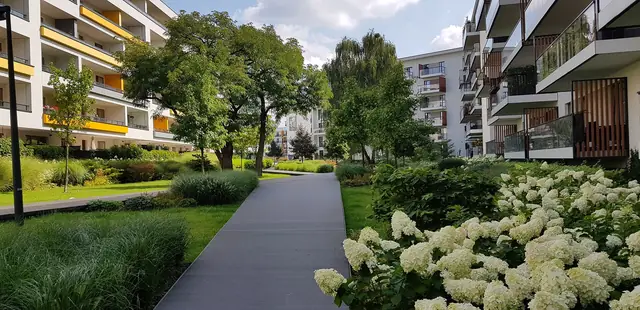
The feel is calm, green and fairly low-key: low-rise buildings, tree-lined streets, independent cafés and a market by plac Wilsona. After the war came the modernist Sady Żoliborskie estate, and more recently new developments around Dworzec Gdański, often marketed as Nowy Żoliborz. Żoliborz has a reputation as an upmarket, family-friendly area, which shows in both prices and the limited supply of flats.
02Neighbourhoods
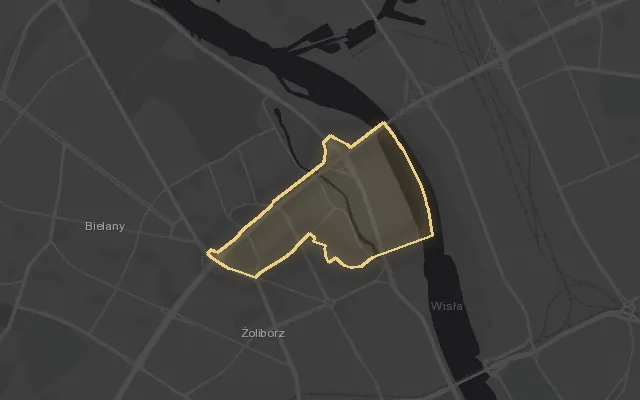
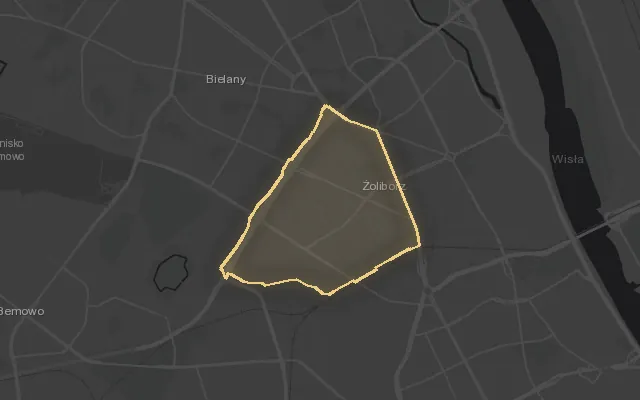
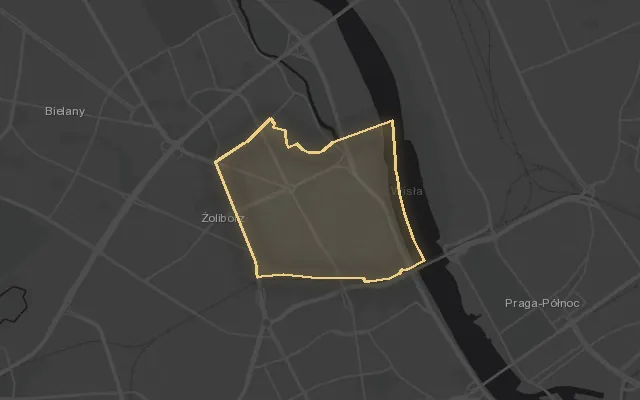
Stary Żoliborz covers the area around plac Wilsona, the villa colonies and the interwar WSM blocks — the classic heart of the district. Sady Żoliborskie is a post-war estate with generous green space between buildings, popular with families and older residents. Marymont-Potok sits closer to the Vistula and Kępa Potocka park, mixing blocks from several decades with newer buildings. Most new-build projects are clustered around Dworzec Gdański and ul. Krasińskiego.
03Everyday life
Żoliborz suits families and anyone who values quiet streets, greenery and good transport. Tech workers and office staff in the centre or Wola benefit from the direct M1 line. Expats will find a well-kept, calm neighbourhood close to the centre. For students it is on the pricier side, though the metro makes it easy to reach universities in Śródmieście and Ochota.
04Transport
The M1 metro line runs through the district, with stations at Dworzec Gdański, Plac Wilsona and Marymont; the ride to Centrum takes about 10–15 minutes. Trams run along ul. Mickiewicza, Słowackiego and Krasińskiego, among others, and Warszawa Gdańska railway station sits next to Dworzec Gdański. By car, the Wisłostrada riverside road and ul. Mickiewicza lead into town; expect rush-hour traffic and tight parking in the older streets.
05Green space
Green space is one of the district's strengths. Kępa Potocka park, with its water channel and playgrounds, Park Żeromskiego by plac Wilsona and the grounds around the Citadel are favourite walking spots. The Vistula boulevards, riverside cycle paths and seasonal city beaches are close by. Marymont has sports facilities, and local cinemas, cafés and the plac Wilsona market fill the weekends.
06Rental market
As of autumn 2026, average asking rents in Żoliborz are around 84 zł/m² (Otodom; another source puts it at about 82 zł/m²). Supply is thin — around 218 listings on Otodom. As a rough guide, a studio (kawalerka) costs around 2,650 zł and a two-room flat around 3,500 zł a month; larger flats in the most desirable streets usually go above that. The building service charge (czynsz administracyjny) comes on top.
● Pros
- M1 metro and a quick ride to the centre
- Plenty of greenery and the Vistula nearby
- Quiet, low-rise streets
- Interwar villas and interesting architecture
- Good amenities for families
● Cons
- High rents and purchase prices
- Few flats on the market
- Difficult parking in older streets
- Rush-hour congestion