
01Character
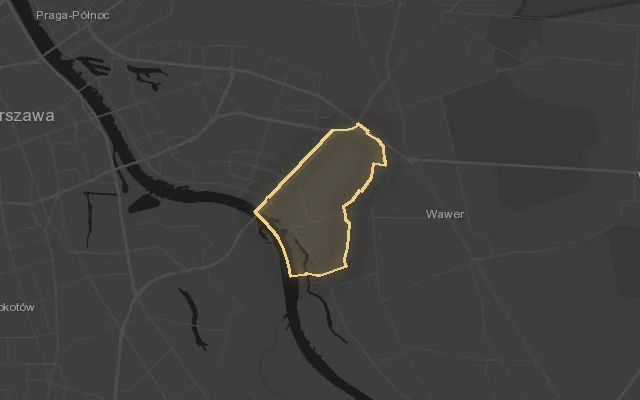
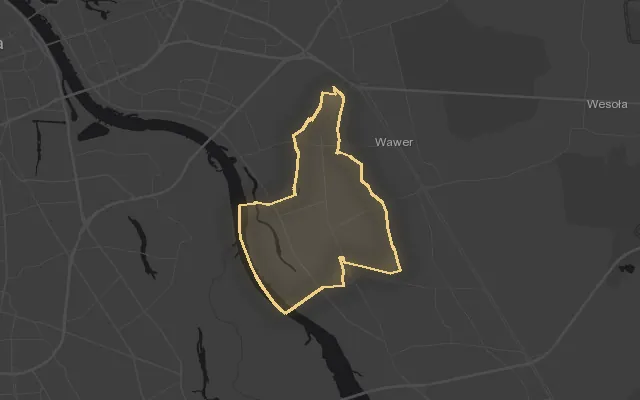
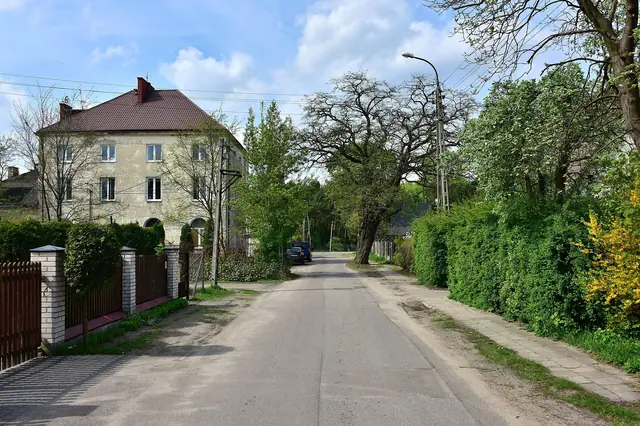
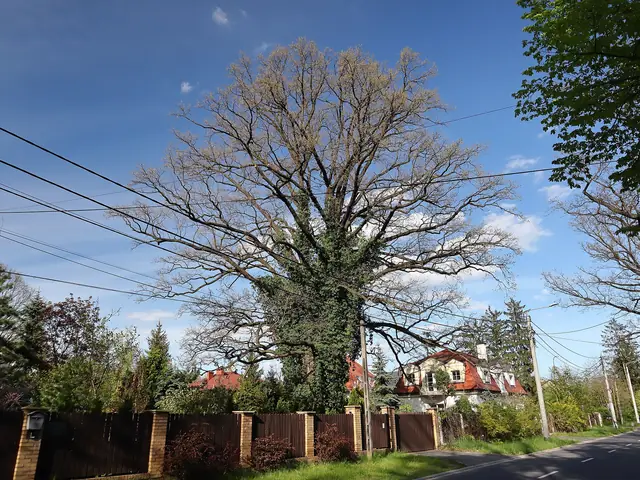
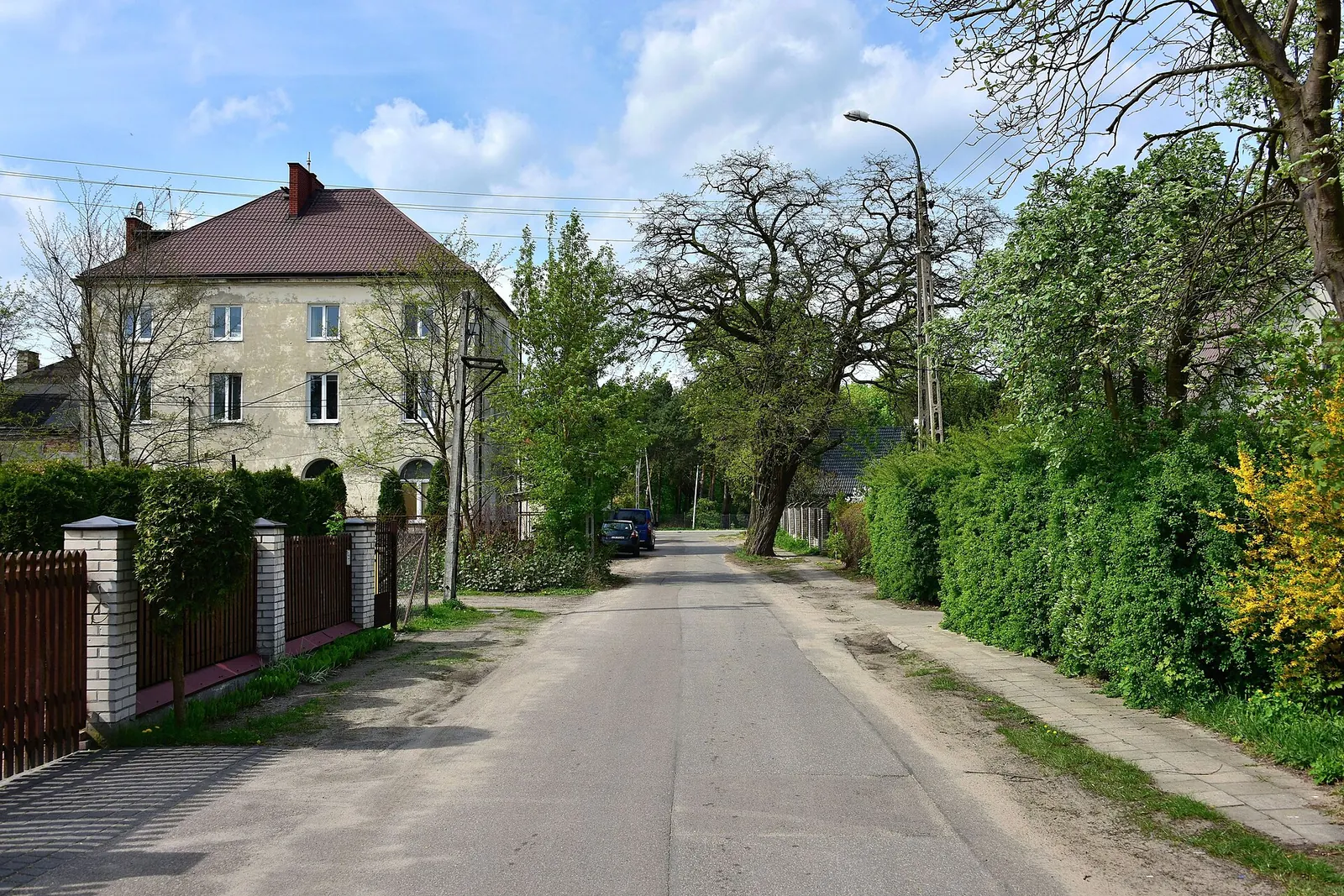
Wawer lies on the right bank of the Vistula in the south-east of the city. For decades its parts — Anin, Radość, Miedzeszyn, Falenica — were separate villages and summer resorts along the railway to Otwock. From that era come pre-war villas, wooden houses in the local „świdermajer” style and streets lined with pine trees.
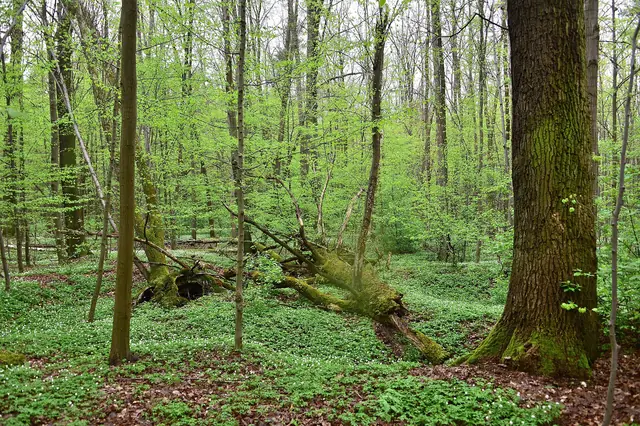
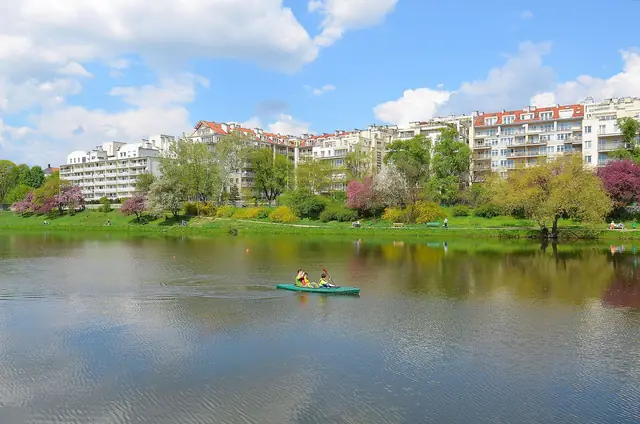
Today Wawer is mostly calm, low-rise housing: houses with gardens, small apartment buildings and modest estates. Much of the district falls within the Masovian Landscape Park, so the forest is never far away. It feels more like a small town on the edge of the city than part of a capital — with the upside of quiet and space, and the downside of relying on a car or the train.
02Neighbourhoods
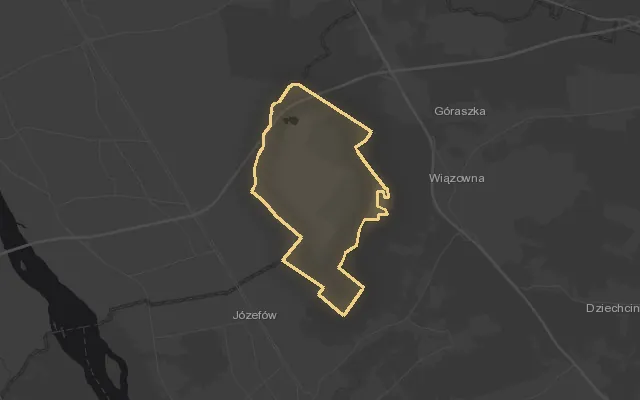
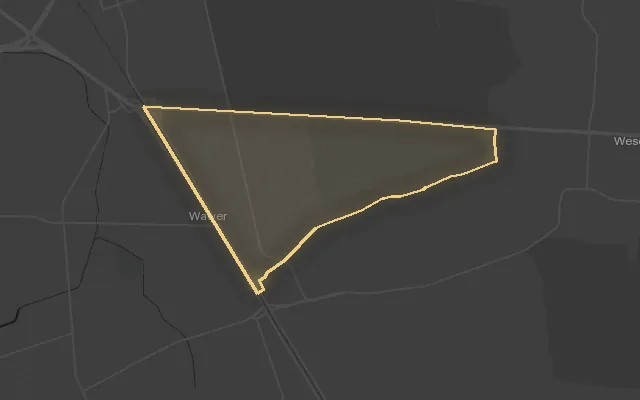
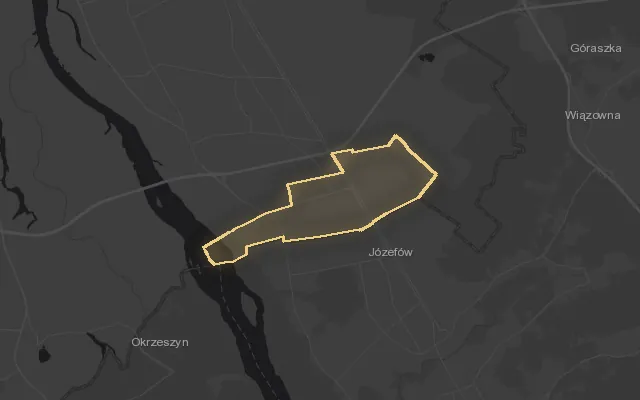
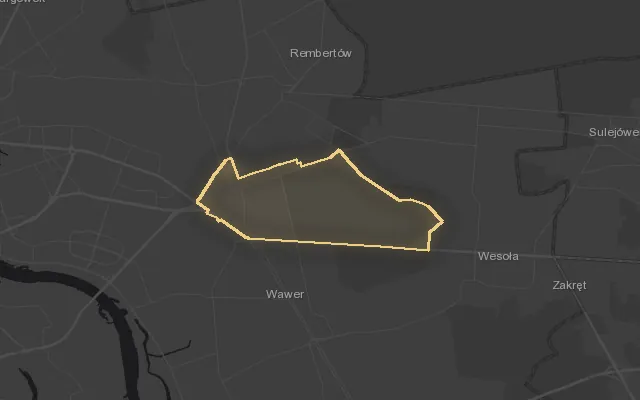
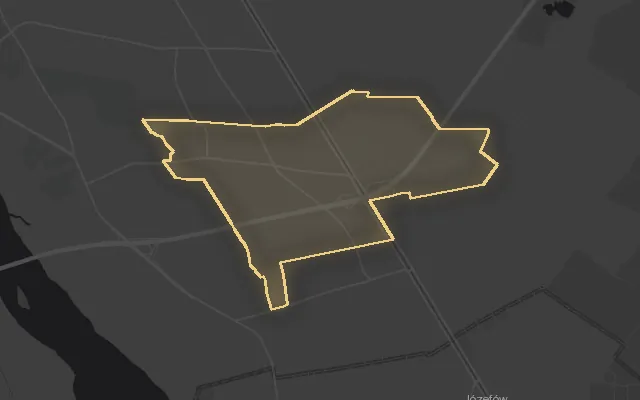
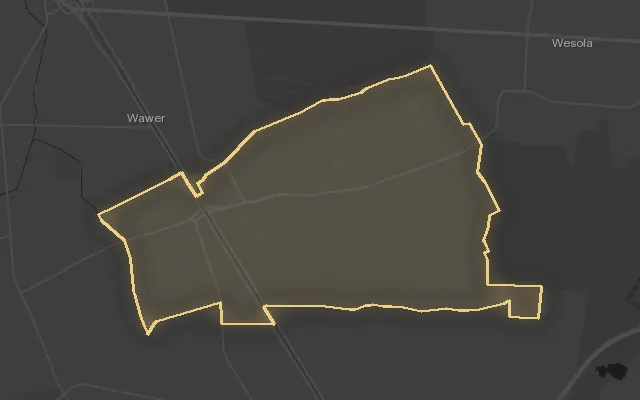
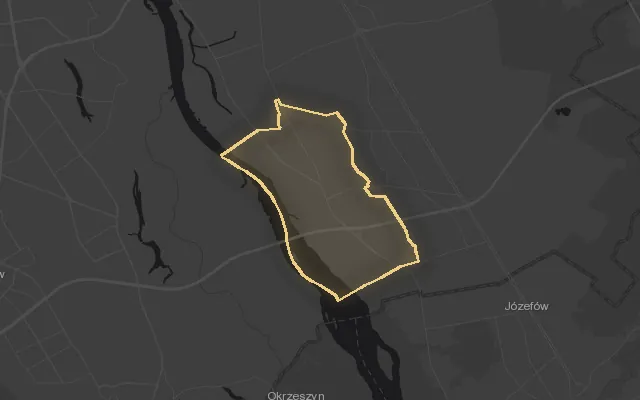
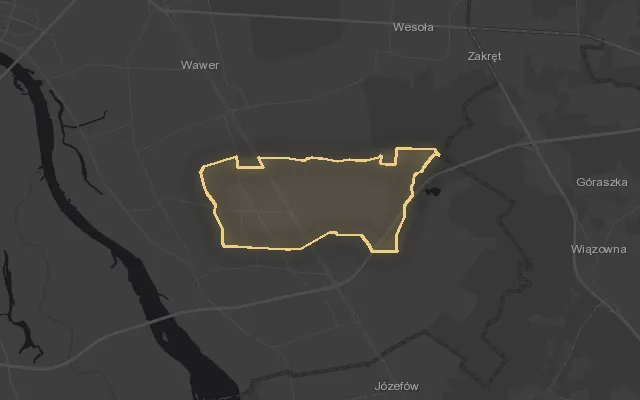
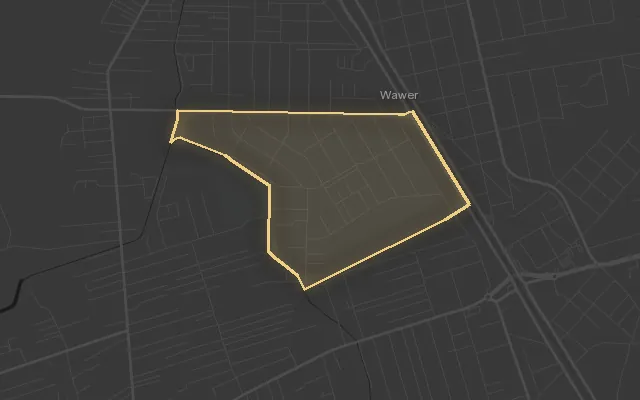
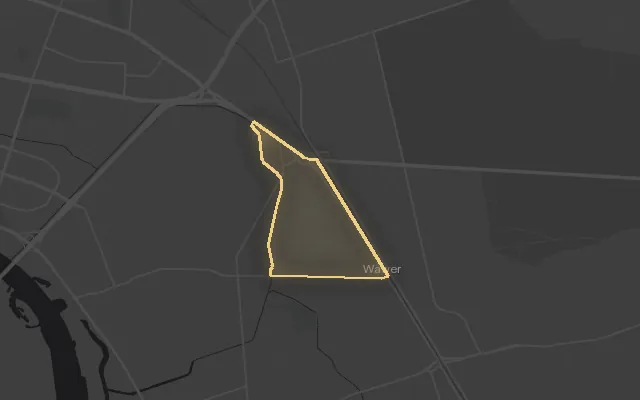
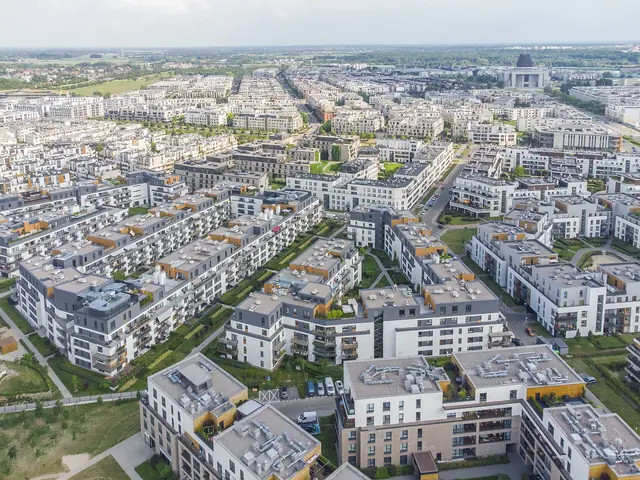
Wawer's best-known parts are Anin, with its villas, Międzylesie, home to the Children's Memorial Health Institute and a railway station, Falenica, Radość and Miedzeszyn, which keep the feel of old summer resorts, and Marysin Wawerski, closer to Praga-Południe. Flats in blocks and new buildings are mainly in Międzylesie, Anin and Marysin, while Las, Aleksandrów, Zerzeń, Nadwiśle and Sadul are mostly detached houses.
03Everyday life
Wawer mainly attracts families looking for a house or terraced home with a garden within the city limits, and people who value quiet and woodland. It suits remote IT workers and expat families who want to rent a house rather than a flat. For students, and for anyone without a car who works in western Warsaw, the daily commute can be tiring.
04Transport
There is no metro and no tram in Wawer. The backbone is the Otwock railway line, served by SKM and Koleje Mazowieckie trains, with stations including Wawer, Anin, Międzylesie, Radość, Miedzeszyn and Falenica. Getting to Śródmieście usually takes 20–35 minutes depending on the station. Buses connect to Praga-Południe and the M2 metro. The main roads are Trakt Lubelski, Wał Miedzeszyński and Płowiecka, and the S2 ring road crosses the district, with a Vistula bridge and a link to the S17. At rush hour traffic builds up on the way into Grochów.
05Green space
Green space is Wawer's biggest asset. The forests of the Masovian Landscape Park stretch from Anin to Falenica, with trails for walking, cycling and running. Wał Miedzeszyński runs along the Vistula with a good cycle path, and in many parts of the district the forest begins a few streets from your door. Large shopping centres, cinemas and pools are mostly in neighbouring districts.
06Rental market
Wawer's rental market is small and quite different from central districts: houses and terraced homes dominate, and relatively few flats are on offer. As of autumn 2026 the average for flats was around 70 zł/m². As a rough guide, a studio (kawalerka) costs about 2,200 zł, a two-room flat about 2,900 zł and a three-room flat about 3,750 zł a month. You will usually also pay the czynsz administracyjny (building service charge), typically 500 to 1,400 zł depending on size. House rents are priced individually, depending on floor area, plot and standard.
● Pros
- Forests and peace and quiet
- Houses with gardens inside the city
- Rents below the city average
- SKM trains to the centre
- Good cycle routes by the Vistula
● Cons
- No metro or trams
- Few flats on the market
- A car is often needed
- Fewer shops and services nearby