
01Character
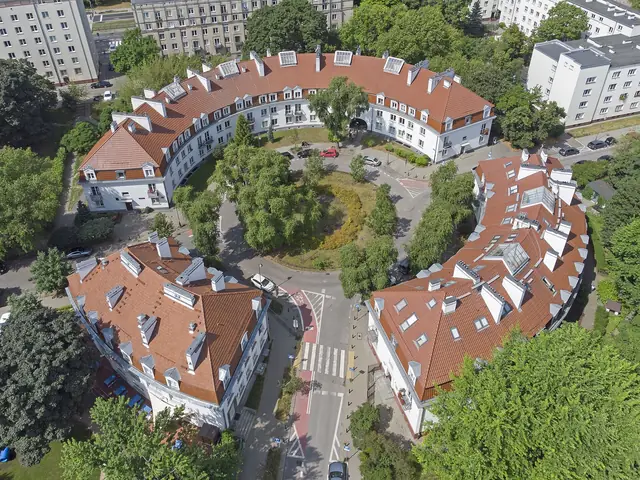
Ochota grew from the turn of the 20th century along ul. Grójecka and around plac Narutowicza. The 19th-century Lindley Filter Station dates from that era and gave the Filtry area its name, while the interwar years brought Kolonia Staszica and Kolonia Lubeckiego, with villas and low-rise housing. After the war the district was filled out with estates in Rakowiec and Szczęśliwice.
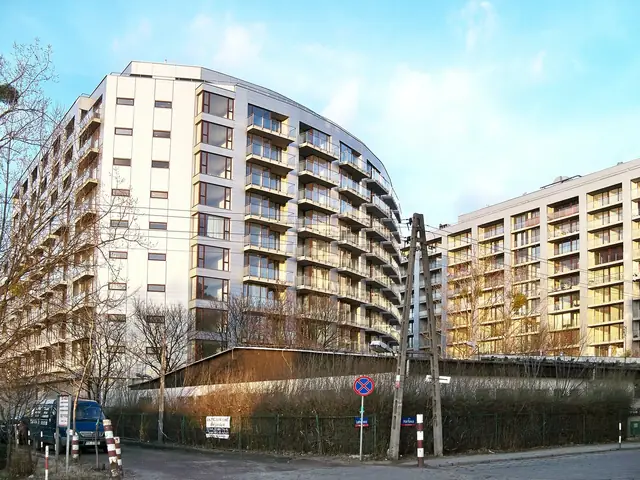
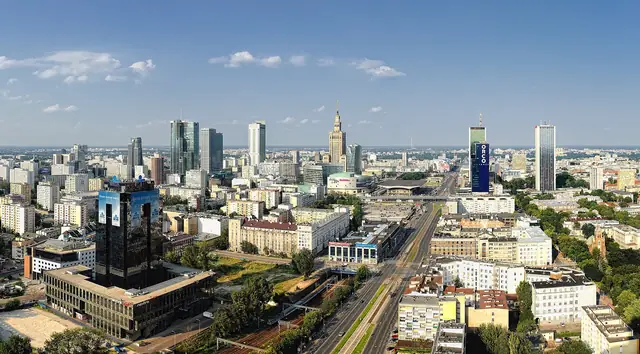
Today's Ochota feels urban but unhurried. Around plac Narutowicza and ul. Grójecka the streets are dense, with cafés and everyday services, and university campuses are close by, including the University of Warsaw's site on ul. Pasteura. Further west, blocks from the second half of the 20th century dominate, alongside new developments on Aleje Jerozolimskie. People choose Ochota for its balance between proximity to the centre and a calm daily life.
02Neighbourhoods
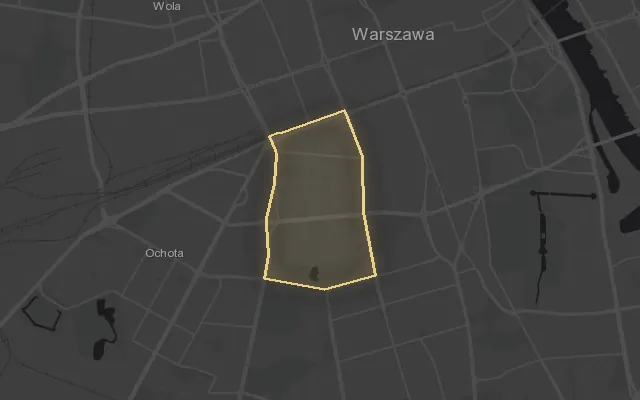
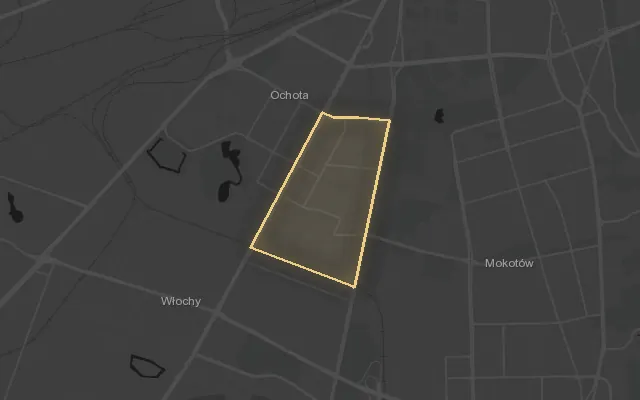
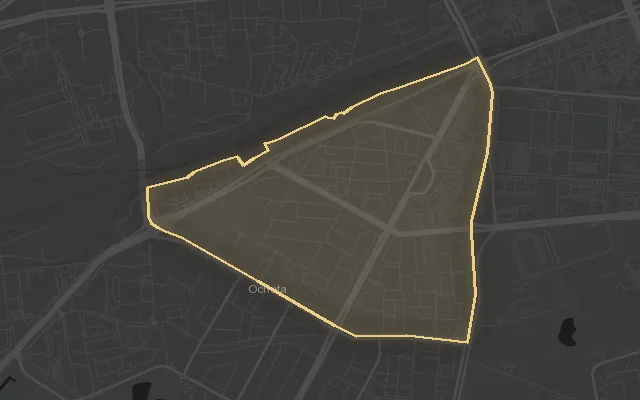
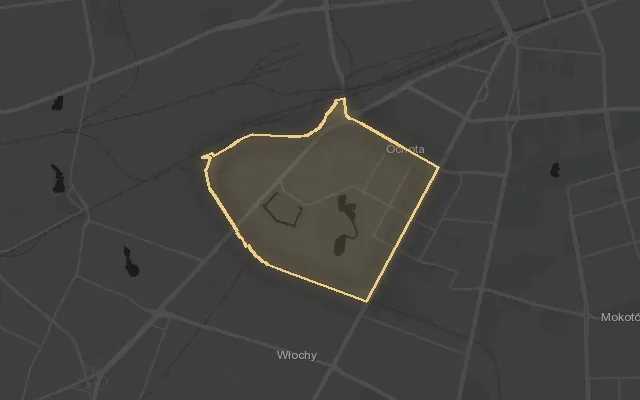
Stara Ochota, around plac Narutowicza, ul. Grójecka and ul. Filtrowa, has pre-war tenements, plenty of students and the shortest trip to the centre. Filtry is a leafy, sought-after area with Kolonia Staszica and the historic filter station. Rakowiec has post-war estates near Pole Mokotowskie and the airport, while Szczęśliwice combines blocks and newer buildings around Szczęśliwicki Park. New builds are going up mainly along Aleje Jerozolimskie and ul. Grójecka.
03Everyday life
Ochota is popular with students, with University of Warsaw, Warsaw University of Technology and SGH campuses all nearby and short tram rides to lectures. Families tend to choose Szczęśliwice and Rakowiec for their parks and schools. Expats and tech workers appreciate quick access to offices in the centre, Wola and Służewiec, as well as Chopin Airport.
04Transport
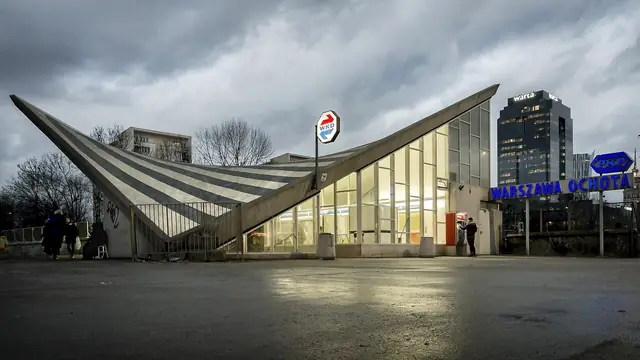
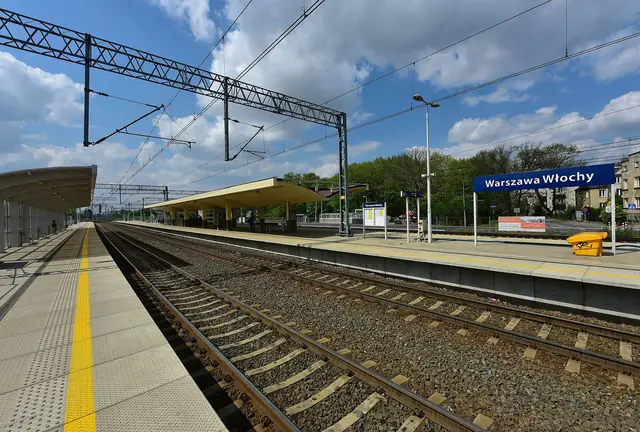
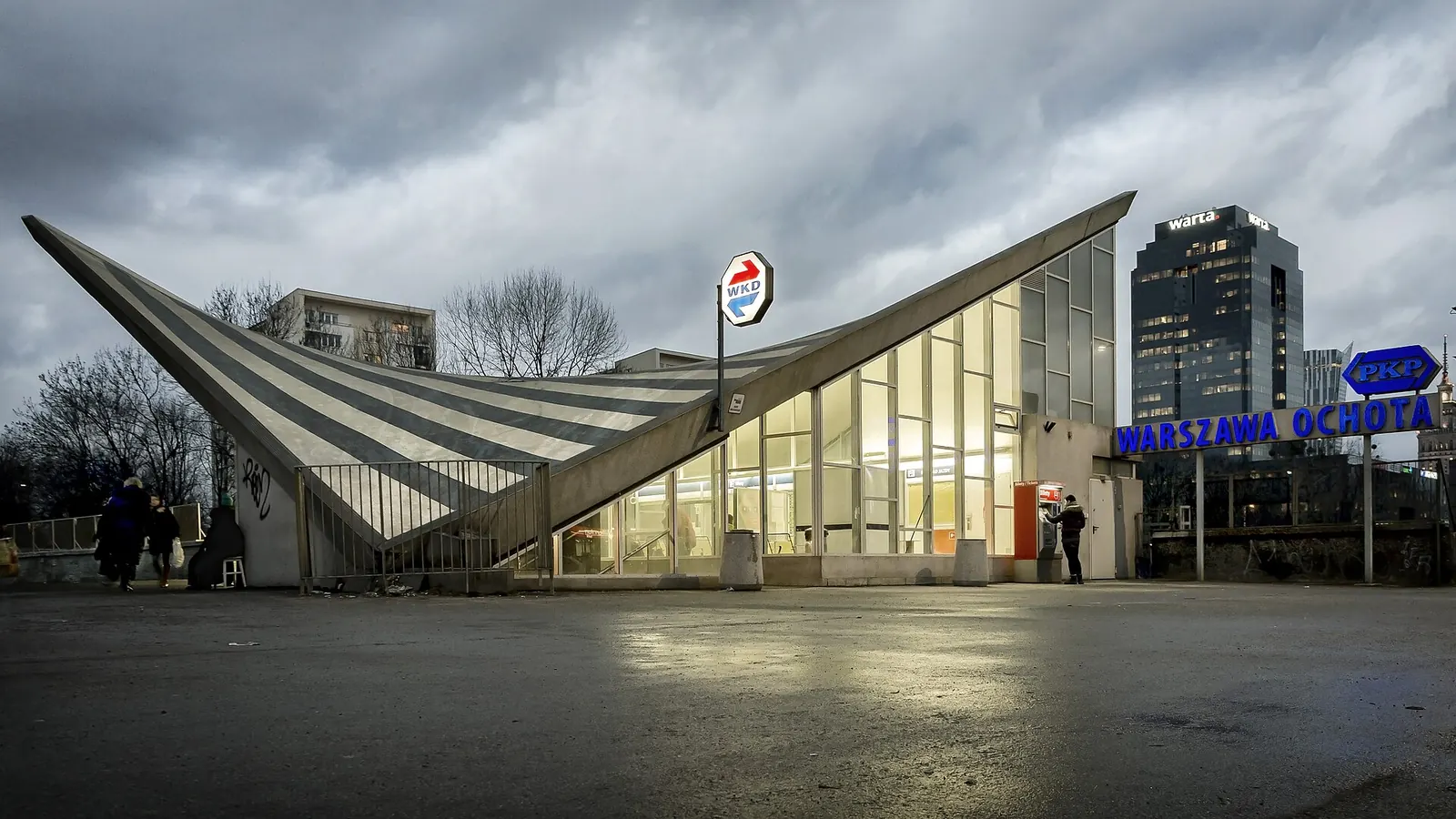
Ochota has no metro station of its own; the nearest M1 stations, Politechnika and Pole Mokotowskie, are just over its eastern boundary. Trams are the backbone — along ul. Grójecka, Banacha and Aleje Jerozolimskie, among others — reaching the centre from plac Narutowicza in about 10–15 minutes. There is also Warszawa Ochota station (SKM and regional trains) and several WKD stops, with Warszawa Zachodnia nearby. The airport and ring road are close by car, but ul. Grójecka and Aleje Jerozolimskie are often jammed.
05Green space
The main green space is Szczęśliwicki Park, whose hill has a ski slope in winter, plus paths and playgrounds. To the east Ochota borders Pole Mokotowskie, one of Warsaw's most popular parks. There are smaller green pockets in Filtry and around Kolonia Staszica. The Vistula is further away, but the district has swimming pools, sports halls and gyms.
06Rental market
As of autumn 2026, average asking rents in Ochota are around 79 zł/m², with a median monthly rent of around 3,000 zł. There are about 2,500 listings. As a rough guide, a studio (kawalerka) costs around 2,500 zł and a two-room flat around 3,300 zł a month. Student demand pushes prices up, particularly before the academic year. The service charge (czynsz administracyjny) is extra.
● Pros
- Close to the centre and universities
- Dense tram network plus SKM and WKD
- Szczęśliwicki Park and Pole Mokotowskie
- Cheaper than Wola and Śródmieście
- Near Chopin Airport
● Cons
- No metro station in the district
- Traffic on Grójecka and Aleje Jerozolimskie
- Aircraft noise in parts of the district
- Strong competition for flats before term starts