
01Character
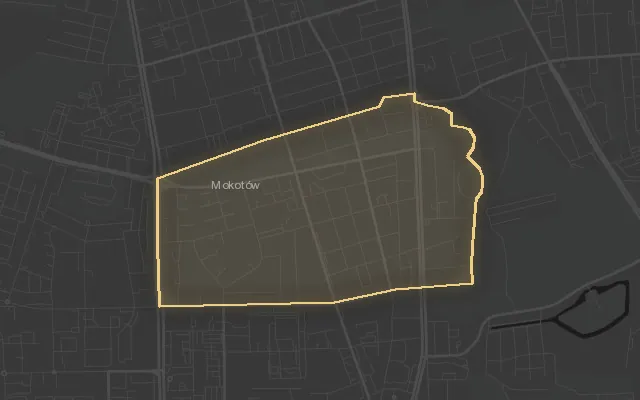
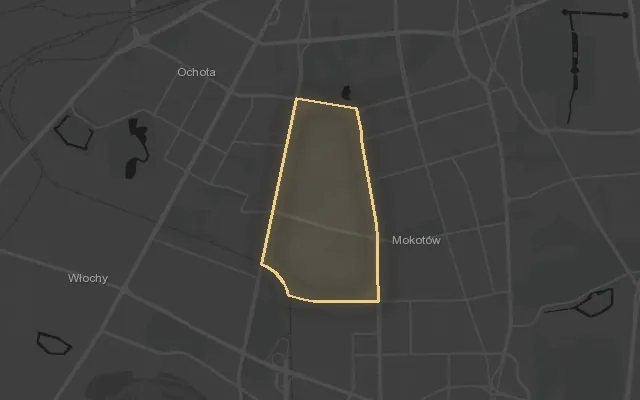
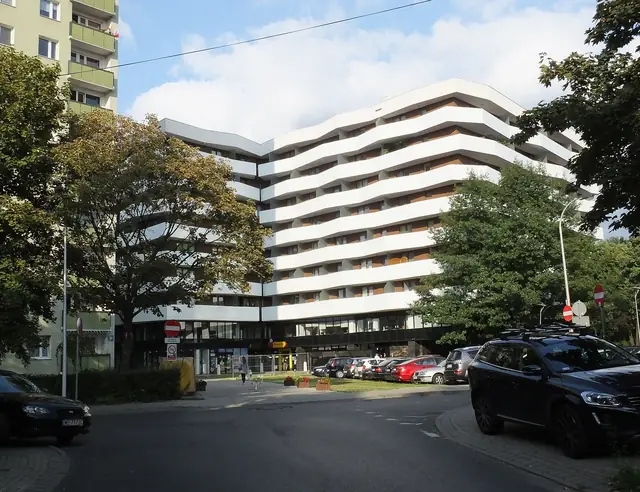
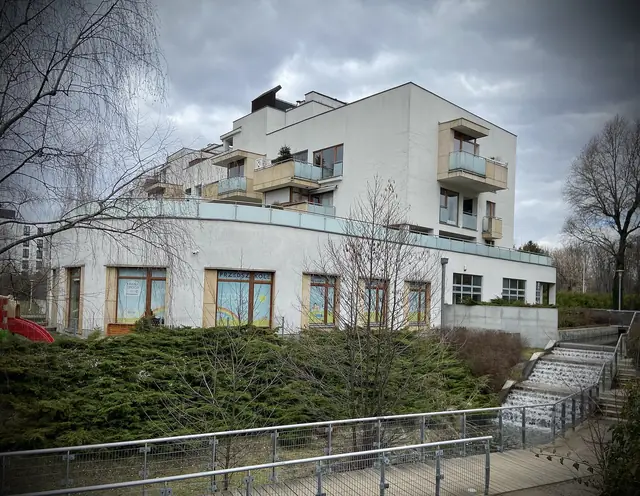
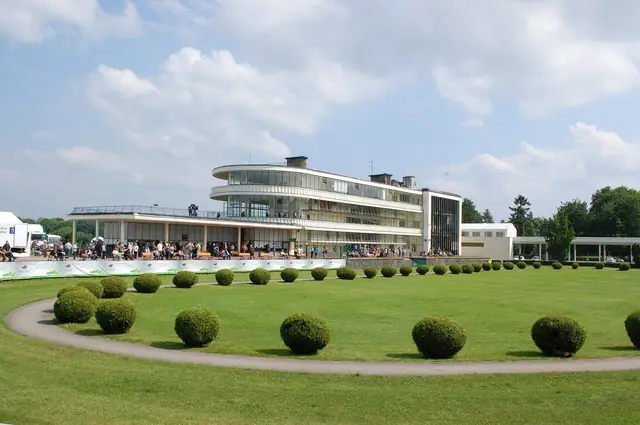
The district runs from Pole Mokotowskie park down to Służewiec and the Vistula escarpment. Its northern part, Stary Mokotów, was largely built between the wars: villas, tenement houses and quiet streets around Puławska, Narbutta and Dreszer Park. Further south and east you find estates from the 1960s to 1980s — Wierzbno, Stegny, Sielce — while Sadyba, beside Lake Czerniakowskie, has a 19th-century fort and low-rise family housing.
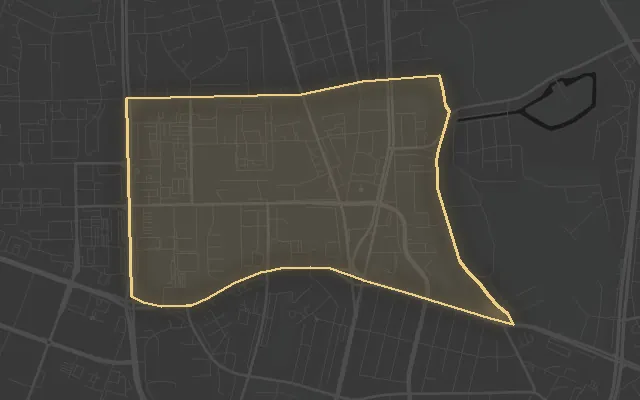
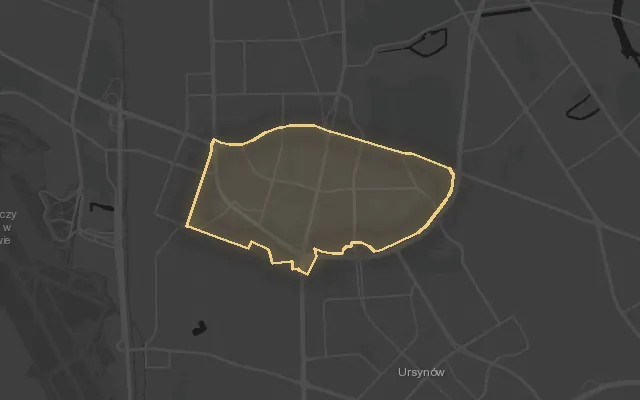
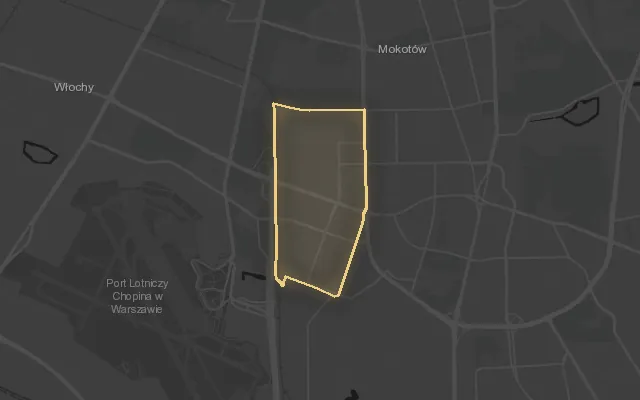
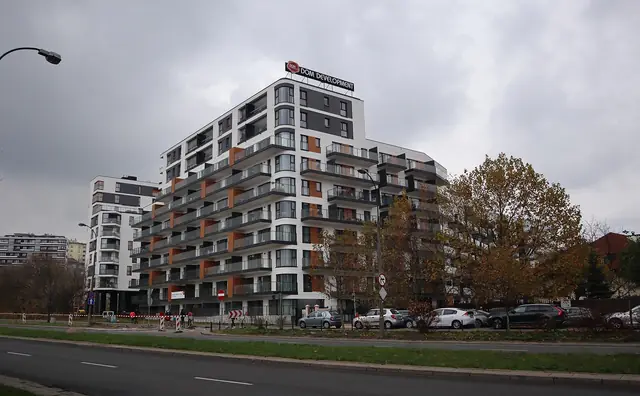
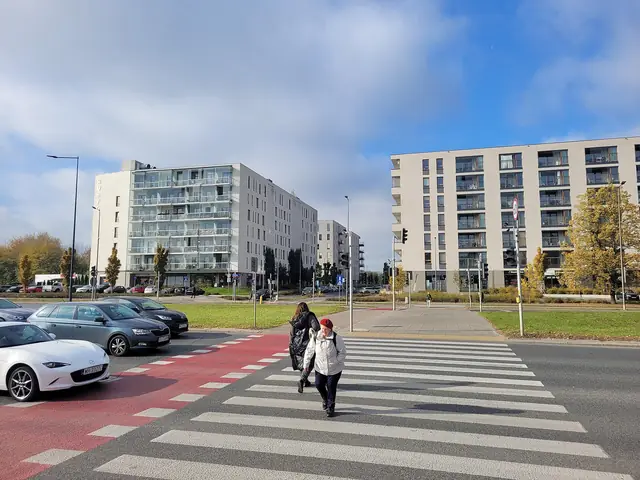
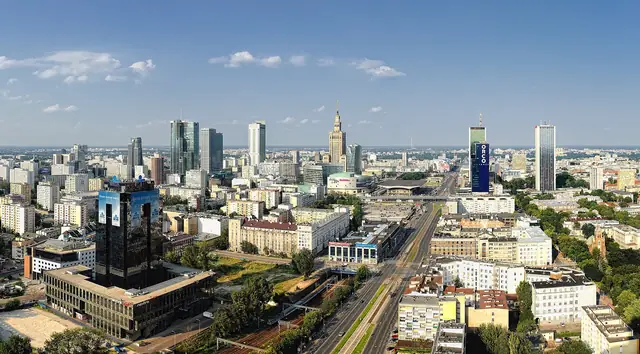
The western edge has changed the most. Służewiec Przemysłowy, long nicknamed „Mordor” for its sea of office blocks, is gradually turning residential, with new apartment buildings going up between the offices along Domaniewska, Postępu and Cybernetyki. So Mokotów feels very different depending on where you are: leafy and calm in the old north, dense and new around the business district.
02Neighbourhoods
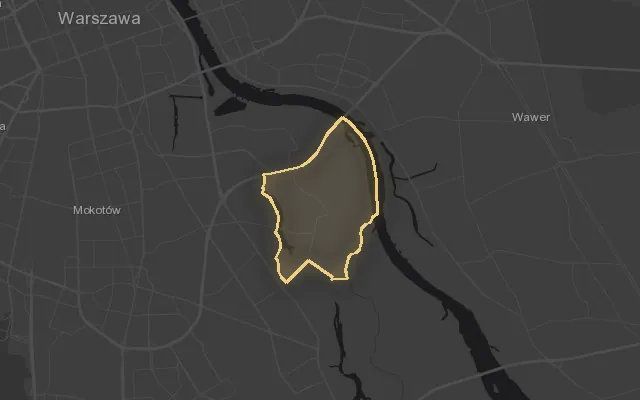
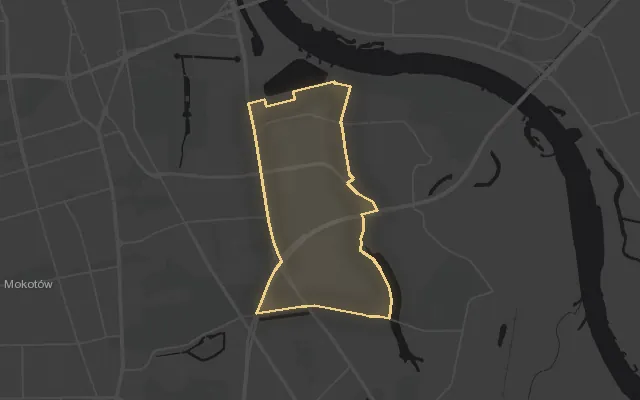
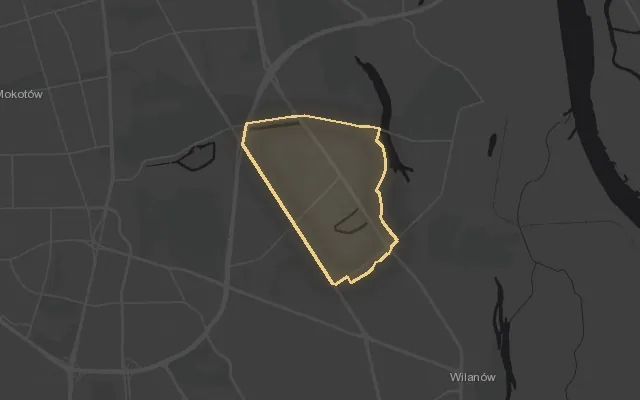
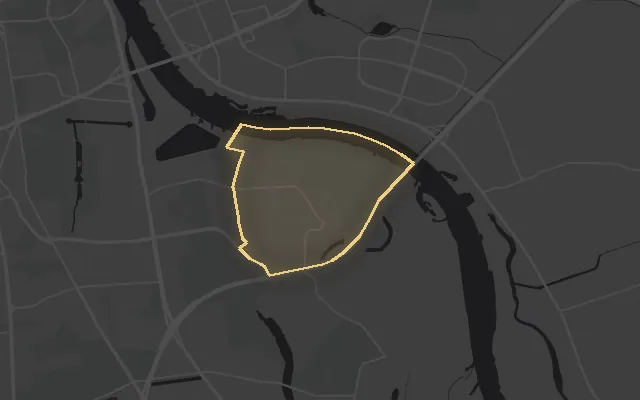
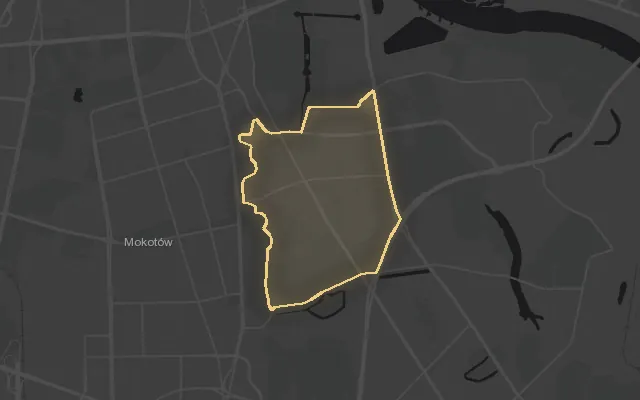
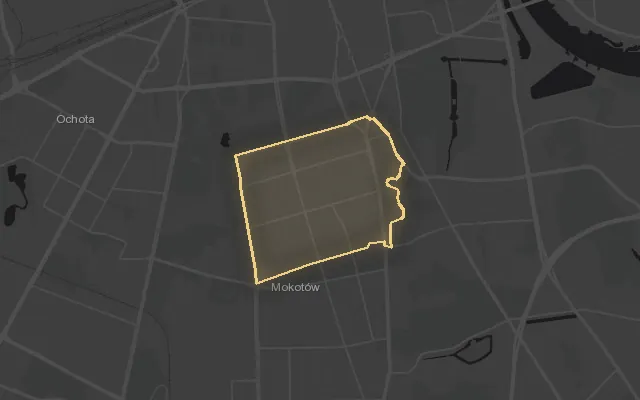
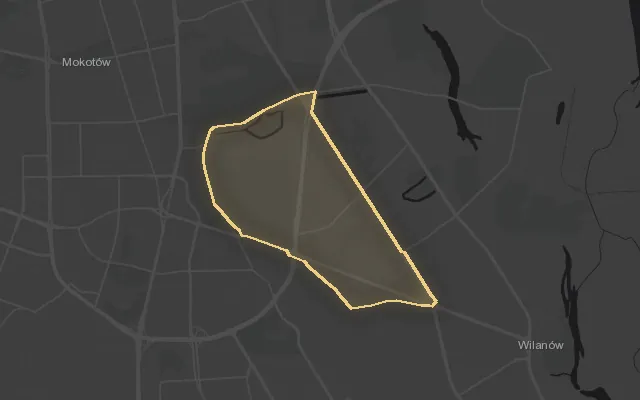
Renters most often choose Stary Mokotów and Wierzbno (metro, cafés, parks), Służewiec (new buildings close to the offices), Sadyba and Stegny (quieter, near the lake), and Sielce and Czerniaków on the eastern side. Ksawerów, Wyględów and Służew are less obvious but worth a look, while Siekierki and Augustówka, towards the river, feel almost suburban.
03Everyday life
Mokotów suits a wide range of people. Tech and office workers at Służewiec like living a short walk from work in the newer buildings around Domaniewska. Families tend to pick Sadyba, Stegny and Stary Mokotów for the schools, nurseries and parks. Students at SGH and the Warsaw University of Technology look for rooms near Racławicka and Wierzbno, and expats value the metro, nearby international schools and English-speaking services.
04Transport
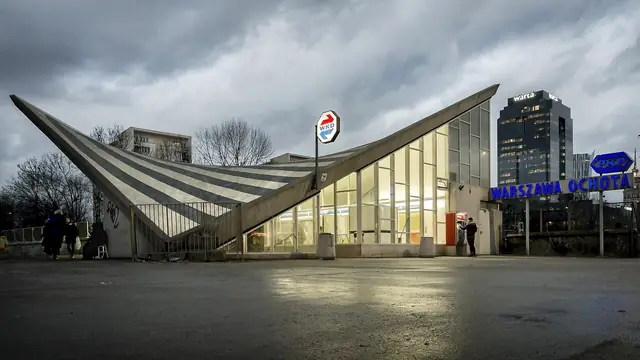
The M1 metro line is the backbone, with stations at Pole Mokotowskie, Racławicka, Wierzbno, Wilanowska and Służew. From Wierzbno to Centrum takes about 10 minutes. Plenty of trams run along Puławska, Woronicza and Racławicka, and the tram line to Wilanów crosses the eastern part of the district. Służewiec has a railway stop served by SKM trains, including services to Chopin Airport. The main roads are Puławska, Wołoska, al. Niepodległości and the Wisłostrada riverside route; Puławska and the Służewiec area are heavily congested at rush hour.
05Green space
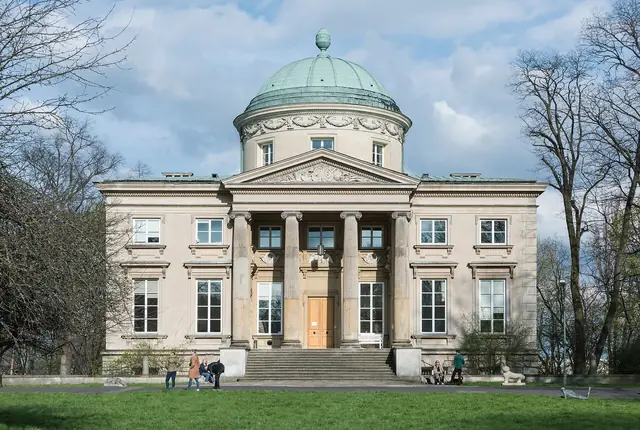
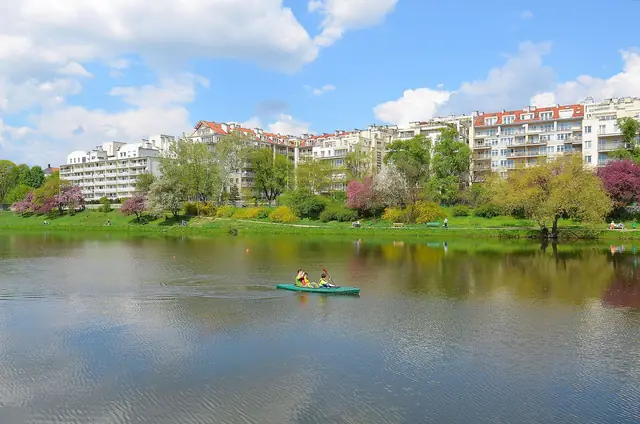
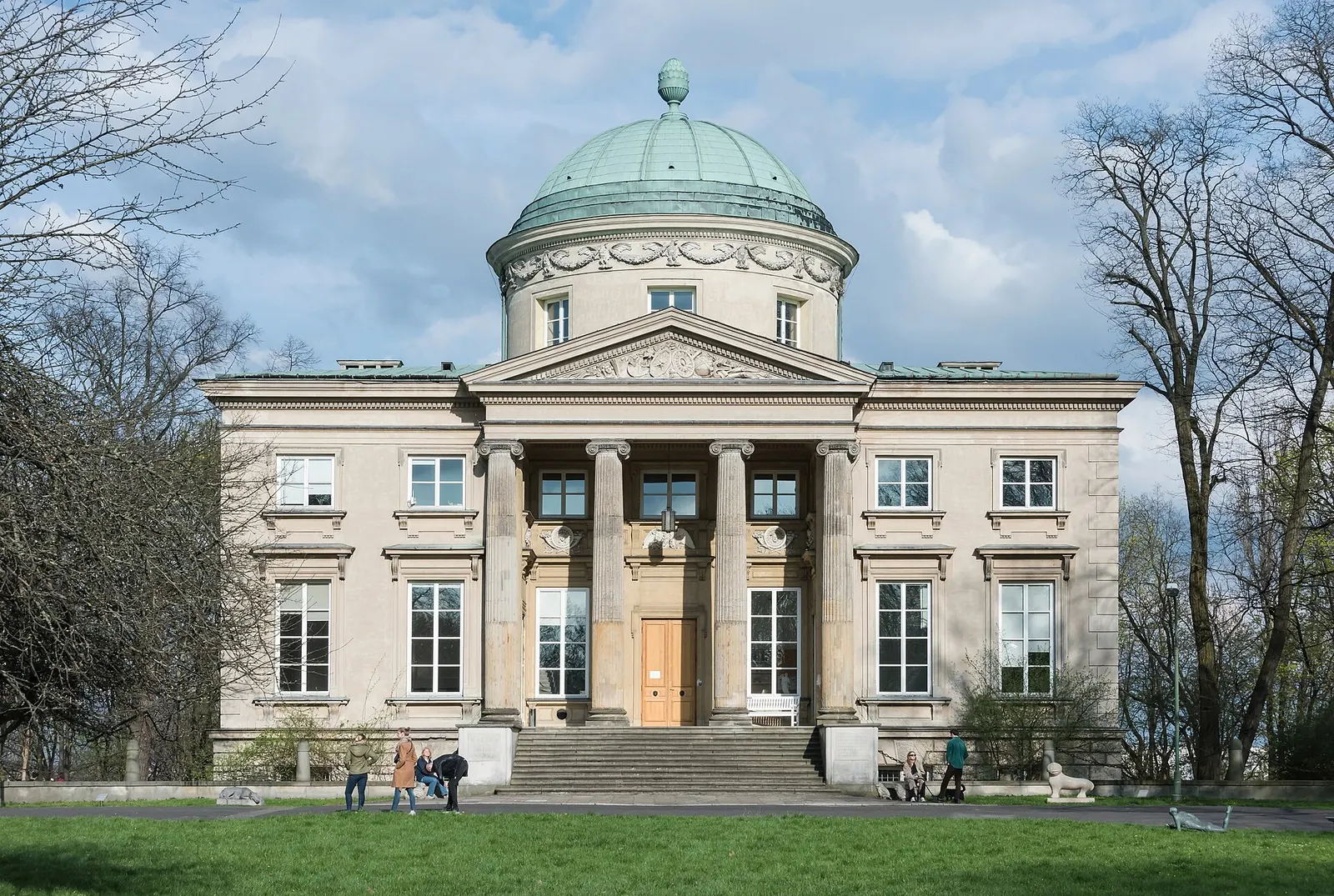
There is a lot of green space: Pole Mokotowskie with its running paths and beer gardens, Dreszer Park, Morskie Oko, Arkadia, the Królikarnia gardens and the Vistula escarpment. In Sadyba and Stegny life centres on Lake Czerniakowskie, which has a bathing area in summer. The river and its cycle paths are close by, and gyms, pools and sports clubs are easy to find.
06Rental market
Mokotów has one of Warsaw's largest rental markets: as of autumn 2026 there were more than 7,000 apartments on offer, at an average of around 81 zł/m². The median rent is around 3,400 zł a month. As a rough guide, a studio (kawalerka) starts at about 2,550 zł, a two-room flat is about 3,400 zł and a three-room flat about 4,350 zł. On top of the rent you will usually pay the czynsz administracyjny (building service charge), typically 500 to 1,400 zł depending on size. Stary Mokotów and new buildings near the metro are the priciest.
● Pros
- M1 metro runs through the district
- Large choice of rental flats
- Plenty of parks and a lake
- Close to Służewiec offices and the centre
- Good schools, shops and restaurants
● Cons
- Traffic on Puławska and around Służewiec
- Parking is hard in Stary Mokotów
- Rents above the city average
- Ongoing construction in Służewiec