
01Character
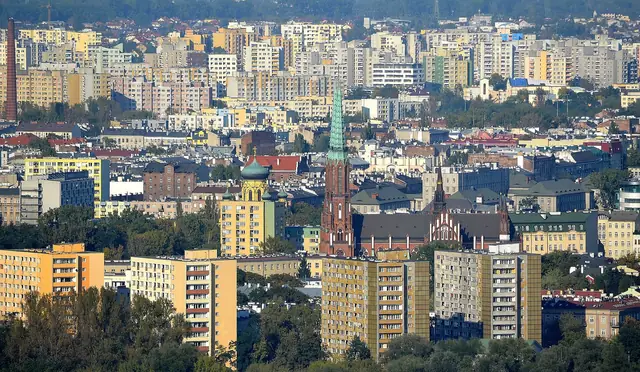
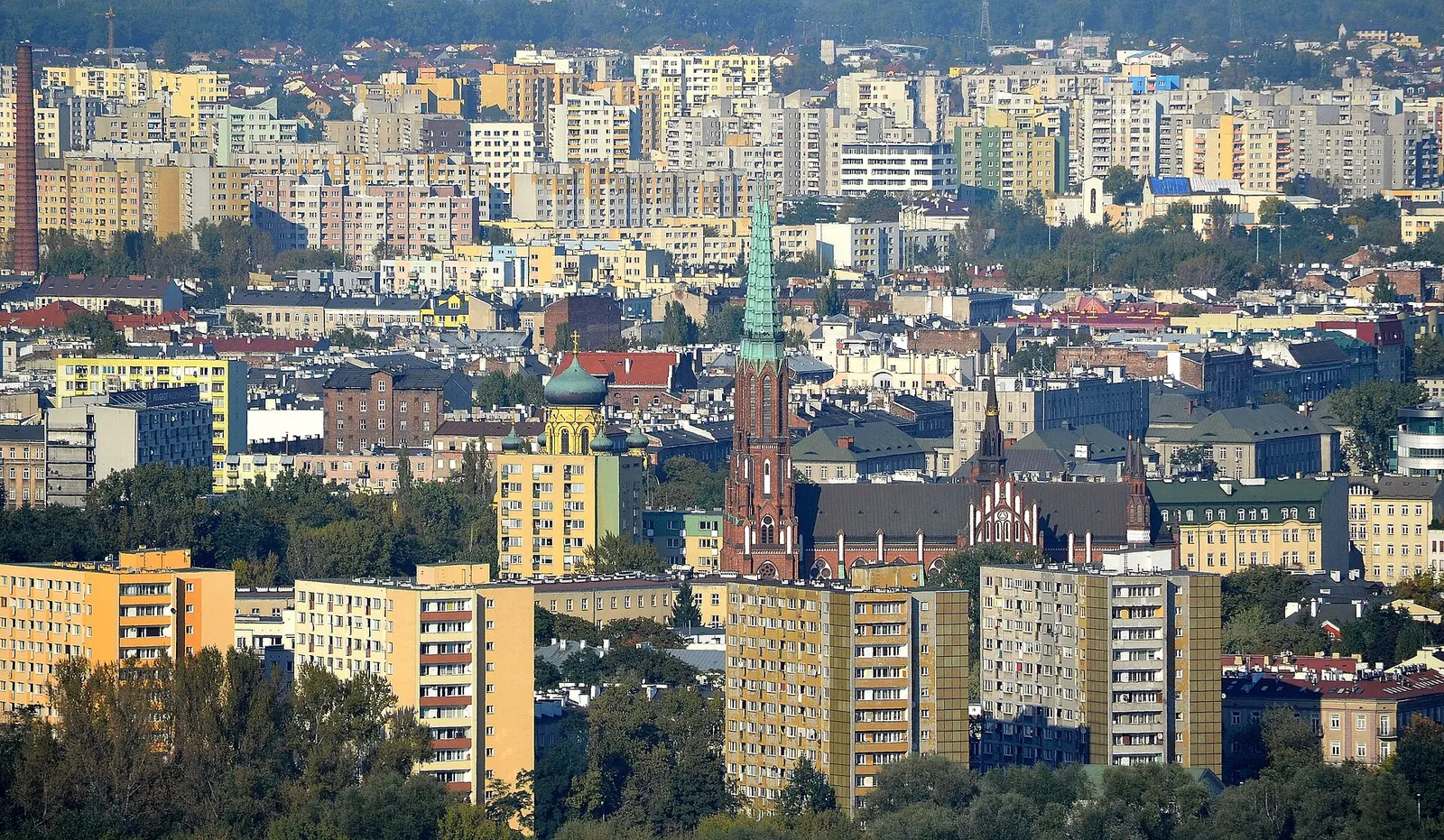
For centuries Praga was a separate town on the far bank of the Vistula, and in the 19th century it grew into a hub of trade, railways and industry. Unlike the left-bank centre, it largely survived the Second World War, so many pre-war tenement buildings remain, on streets such as Ząbkowska, Brzeska and Targowa. Its landmarks include St Florian's Cathedral, the Różycki Bazaar and the former Koneser vodka distillery.
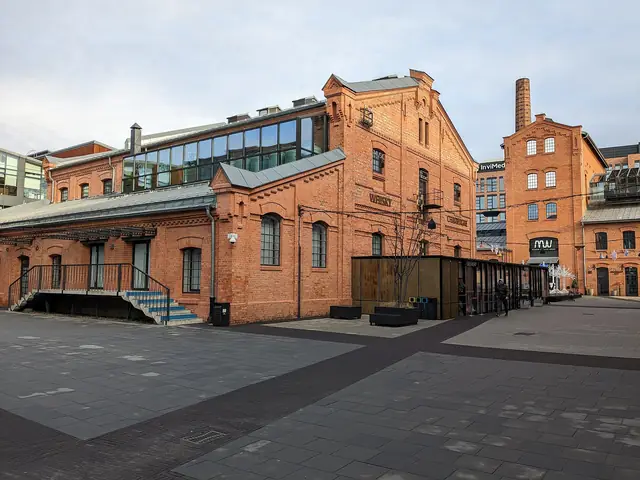
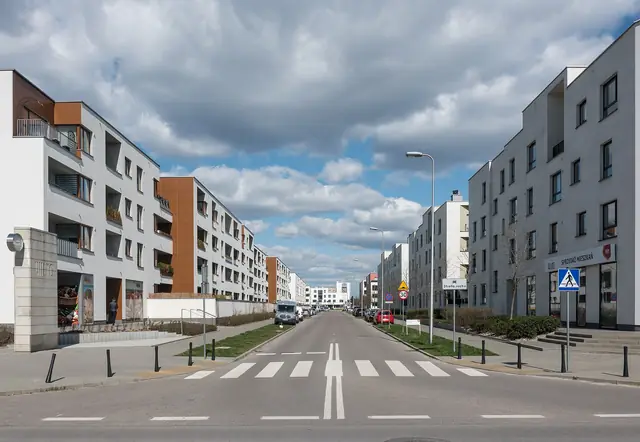
For years Praga-Północ had a reputation as run-down and unsafe. Regeneration has been under way for well over a decade: tenements are being restored, the old distillery has become Centrum Praskie Koneser alongside new housing, and Port Praski has risen by the river. The district is full of contrasts — galleries, cafés and new apartments sit next to courtyards that have yet to be renovated. For many residents that authenticity is the main appeal.
02Neighbourhoods
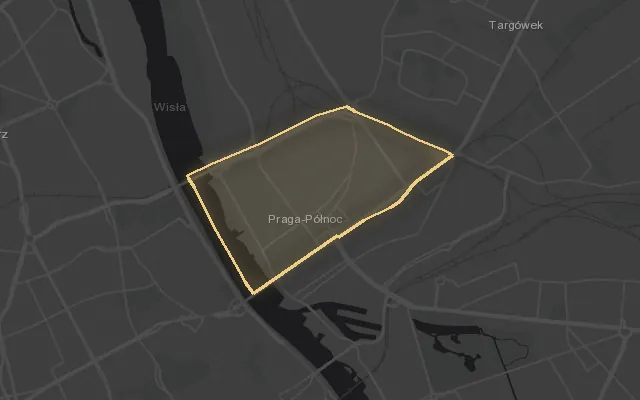
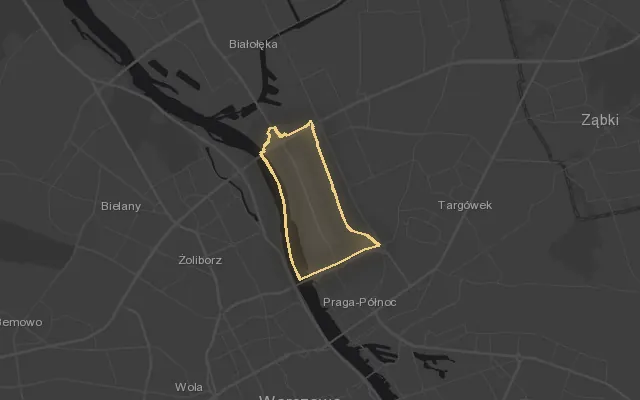
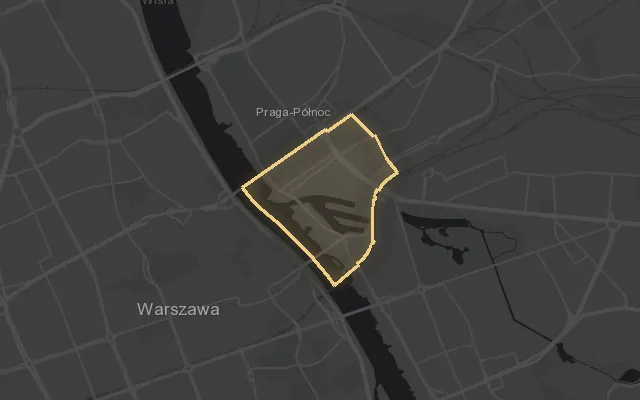
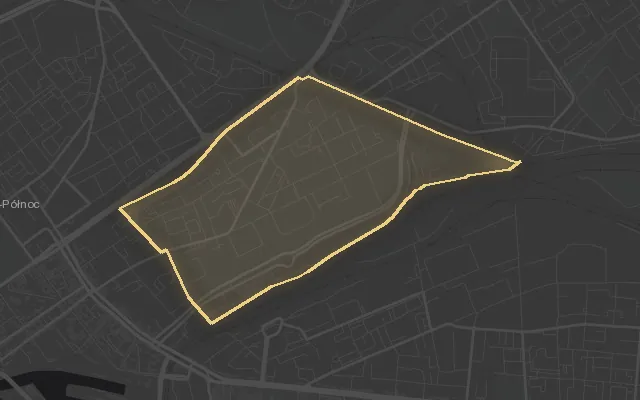
Stara Praga, around ul. Targowa, Ząbkowska and Jagiellońska, has the cathedral, Koneser and the oldest tenements, as well as Port Praski by the river. Nowa Praga stretches north around ul. Stalowa and Inżynierska, with tenements, new buildings and artists' studios. Szmulowizna in the east mixes old buildings with blocks and attracts renters with lower prices. Pelcowizna in the north has quieter estates near Żerań and the Vistula.
03Everyday life
Praga-Północ draws students and young people looking for a flat with character near the centre, as well as creative professionals and tech workers — Koneser houses offices of technology companies. Expats like the tenement atmosphere and fast metro link. Families may be more comfortable in new developments or in Pelcowizna, as the older streets can be noisy and many buildings lack lifts.
04Transport
The M2 metro stops at Dworzec Wileński and Szwedzka; from Dworzec Wileński, Świętokrzyska is just a few minutes away. A dense tram network runs along ul. Targowa, Jagiellońska and al. Solidarności across Śląsko-Dąbrowski Bridge, among others. The Gdański and Świętokrzyski bridges also lead into the centre, and Warszawa Wschodnia station is close by. The centre is near by car, but parking among the tenements is difficult.
05Green space
On the river side, Park Praski and the Warsaw Zoo open up the district, followed by the boulevards and beaches of the right bank, cycle paths and views of the Old Town. Inland there is less greenery, but plenty of places to meet: Koneser with its museums and restaurants, plus clubs and galleries on ul. Ząbkowska and in Nowa Praga. For exercise, the Vistula banks or facilities in neighbouring Praga-Południe are your best bet.
06Rental market
As of autumn 2026, average asking rents in Praga-Północ are around 84 zł/m², with a median monthly rent of around 3,000 zł, reflecting the many smaller flats on offer. There are about 1,800 listings. As a rough guide, a studio (kawalerka) costs around 2,650 zł and a two-room flat around 3,500 zł a month. New builds near Koneser and Port Praski are the priciest; unrenovated tenements are cheaper. The service charge (czynsz administracyjny) is extra.
● Pros
- M2 metro, minutes from the centre
- Pre-war architecture and atmosphere
- Vistula boulevards, Park Praski and the zoo
- Growing cultural and food scene
- Dense tram network
● Cons
- Some tenements in poor condition
- Noisy streets and nightlife
- Difficult parking
- Safety varies from street to street