
01Character
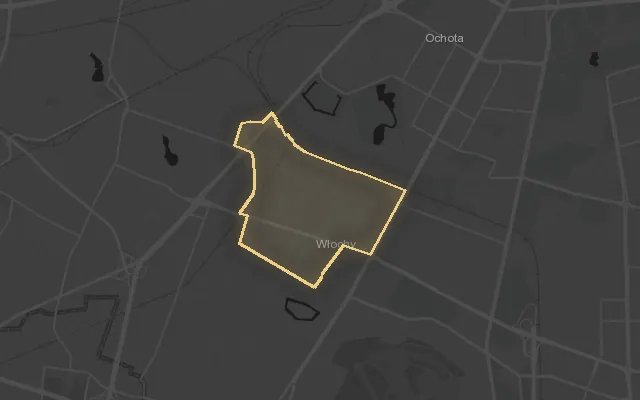
For a long time Włochy was a separate town outside Warsaw, where villas and houses with gardens were built between the wars — you can still see them in Stare Włochy and Nowe Włochy. It became part of the capital after the war. For decades its character has been shaped by Okęcie and the airport, along with industrial and warehouse land along the railway and main roads.
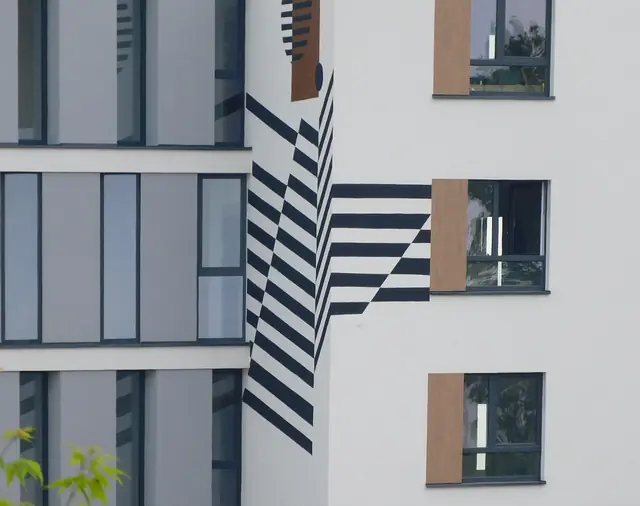
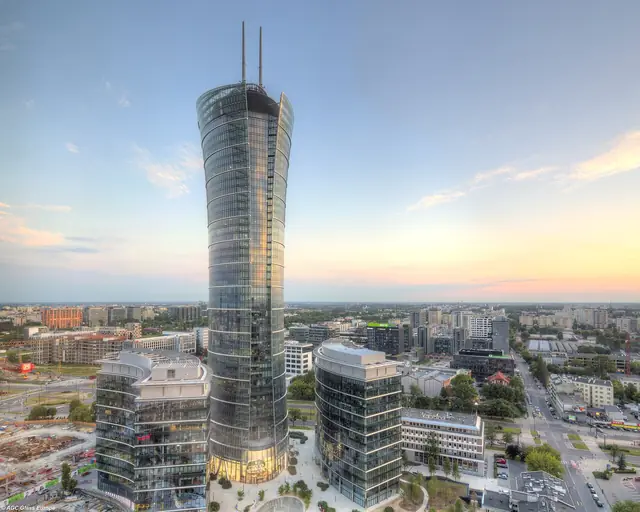
Włochy has changed a lot in recent years: large new estates have gone up on former industrial and farm land, notably around Salomea and Raków, and office buildings have appeared along Aleje Jerozolimskie and near the airport. Today it is a mix of quiet residential lanes, new blocks with playgrounds and busy arterial roads — practical, if less atmospheric than the central districts.
02Neighbourhoods
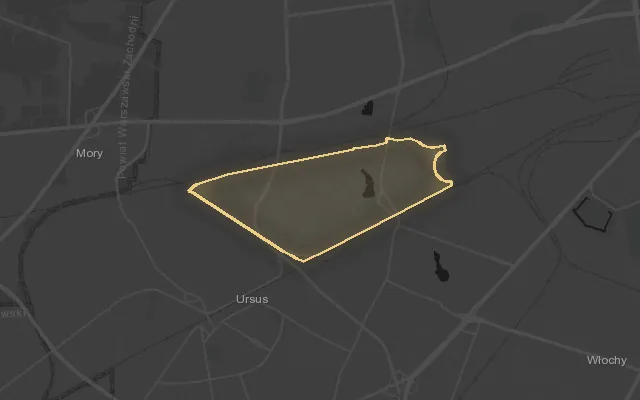
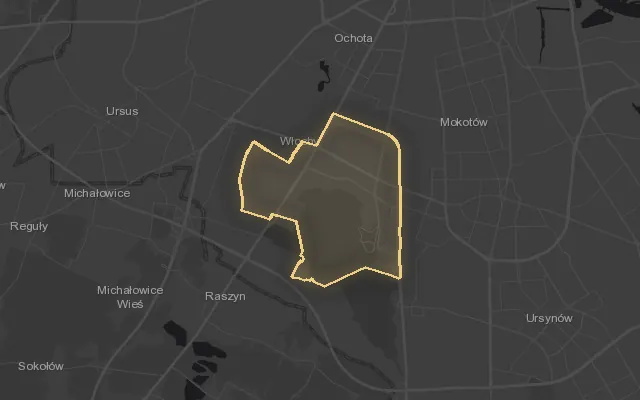
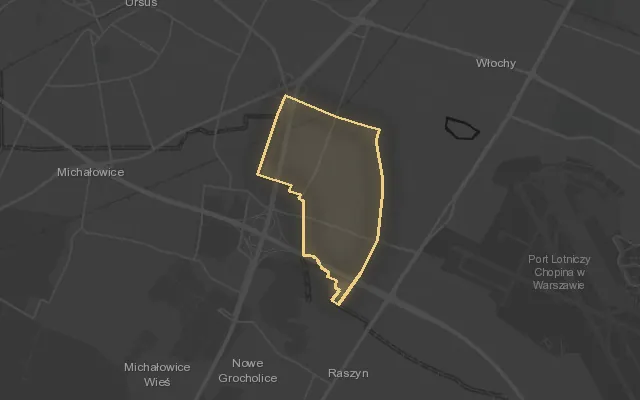
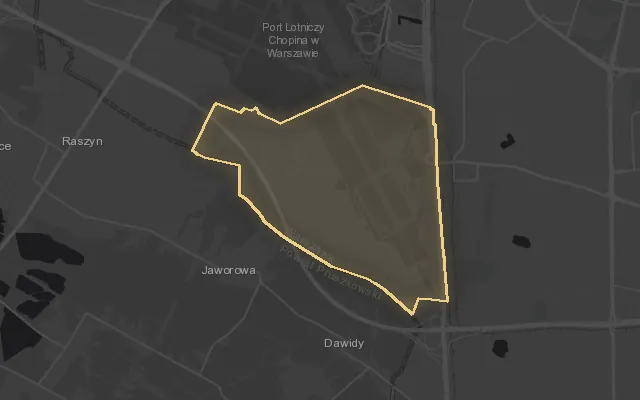
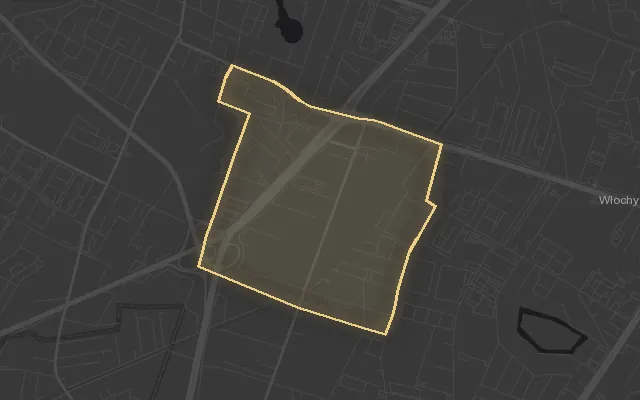
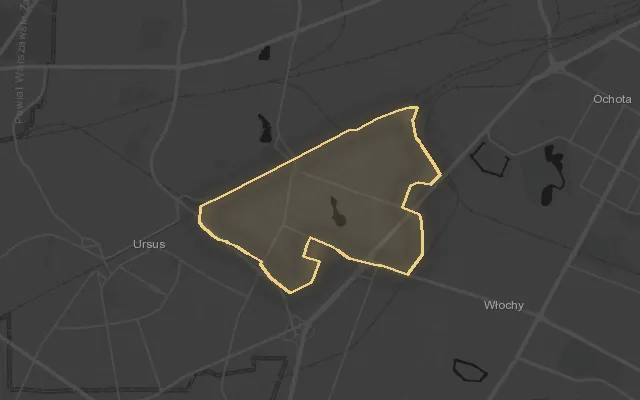
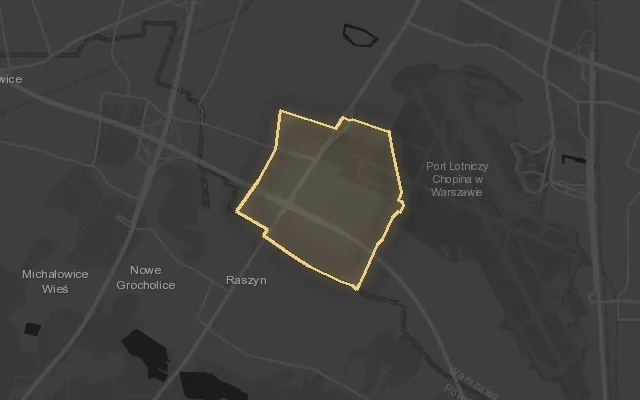
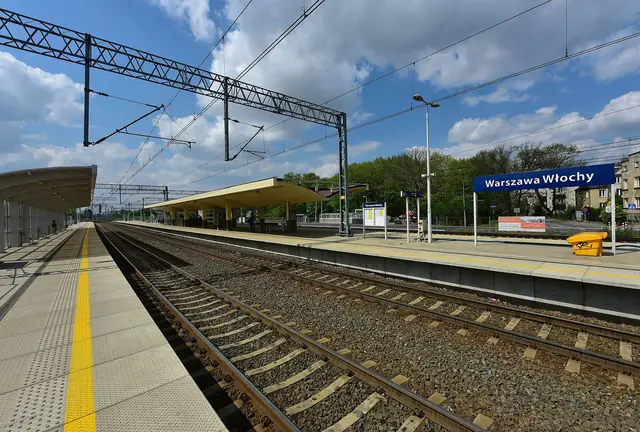
Stare Włochy and Nowe Włochy are mostly family houses, villas and low-rise blocks near Warszawa Włochy station. Okęcie and Paluch border the airport, with plenty of offices and warehouses as well as older estates. Salomea and Raków have seen the most new-build development, while Załuski and Opacz Wielka on the outskirts feel quieter and more suburban.
03Everyday life
Włochy suits families looking for a newer flat at a fair price, and people who fly frequently for work. Expats and tech workers appreciate being close to the offices on Aleje Jerozolimskie, Służewiec and the airport. Students can find cheaper flats than in Ochota, but the trip to university takes longer. If you are sensitive to noise, check where the flat sits relative to flight paths.
04Transport
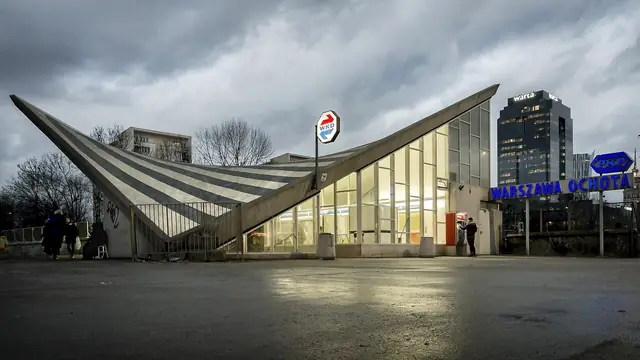
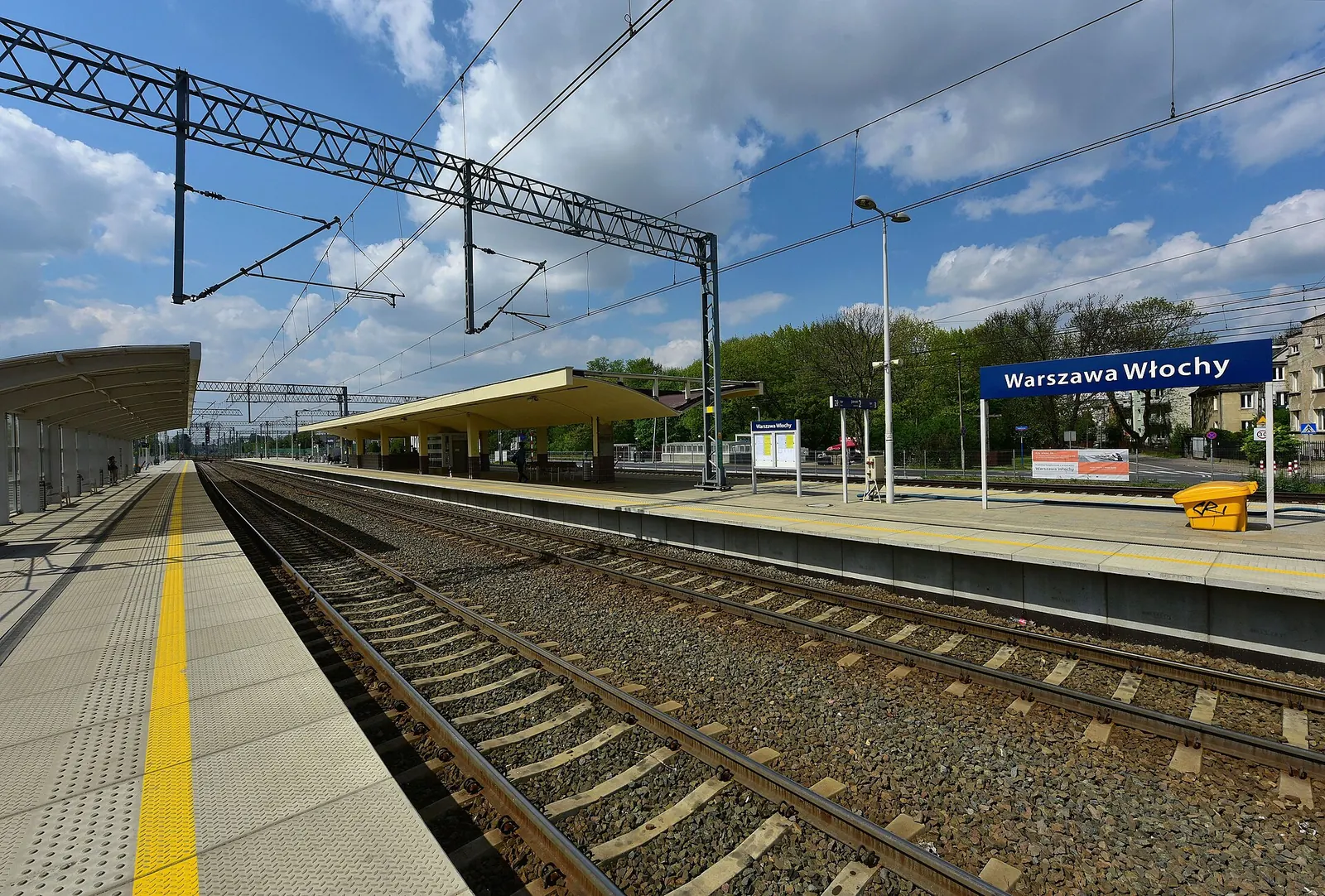
There is no metro in Włochy. Rail is the backbone: Warszawa Włochy and Warszawa Okęcie stations (SKM and regional trains), the Lotnisko Chopina airport stop served by SKM, and several WKD stops — about 15–20 minutes by train to the centre. Trams run along al. Krakowska towards Ochota and the city centre. The district is close to the S2 and S8 expressway junctions, making it easy to leave the city, but Aleje Jerozolimskie and al. Krakowska are often congested at rush hour.
05Green space
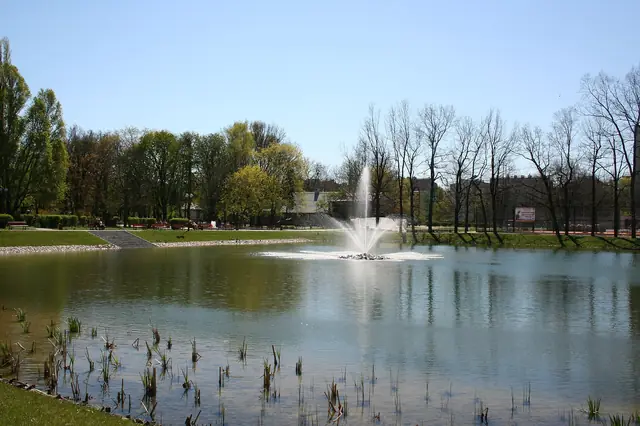
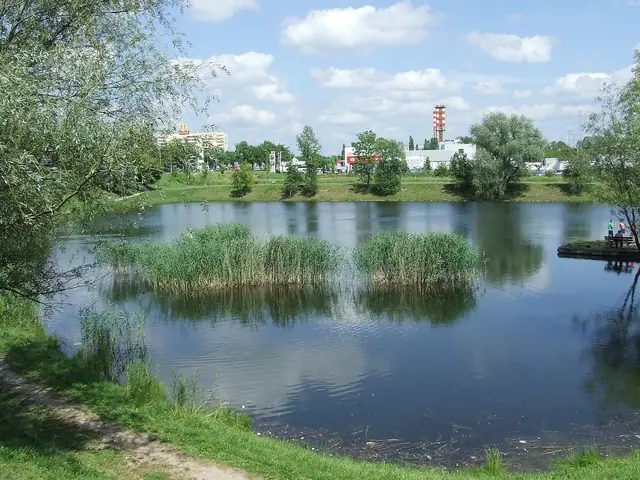
Włochy has no large city park, but there are smaller parks, squares and allotment gardens, and the new estates have their own green spaces and playgrounds. Szczęśliwicki Park in Ochota and Pole Mokotowskie are nearby. The area around the airport is popular with plane-spotters. The Vistula is far away, and neighbouring districts offer more in the way of sport and culture.
06Rental market
As of autumn 2026, average asking rents in Włochy are around 83 zł/m², with a median monthly rent of around 3,200 zł. There are about 1,700 listings, many of them new builds. As a rough guide, a studio (kawalerka) costs around 2,600 zł and a two-room flat around 3,450 zł a month. The rate per square metre is relatively high because so much of the stock is new. The service charge (czynsz administracyjny) is extra.
● Pros
- Good SKM and WKD rail links
- Close to the airport and S2/S8 expressways
- Lots of new-build estates
- Quiet streets of family houses
- Near offices on Aleje Jerozolimskie
● Cons
- Aircraft noise in parts of the district
- No metro
- Congestion on main roads
- Few large parks or cultural venues