
01Character
Through the 19th and much of the 20th century, Wola was a district of factories, workers' tenements and railway sidings. During the 1944 Warsaw Uprising it was the scene of a mass killing of civilians, and after the war it was rebuilt largely as housing estates from the 1950s to the 1980s. That history is remembered at the Warsaw Rising Museum on ul. Grzybowska and in the Powązki cemeteries.
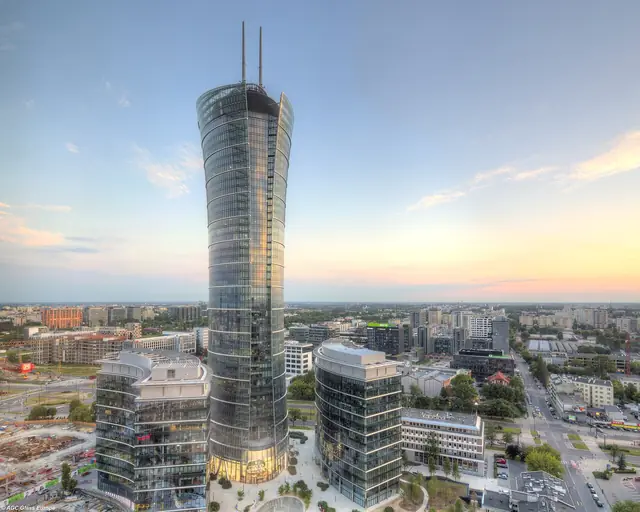
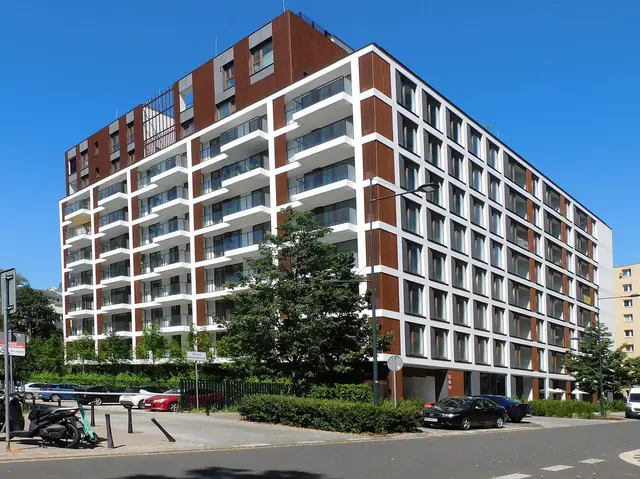
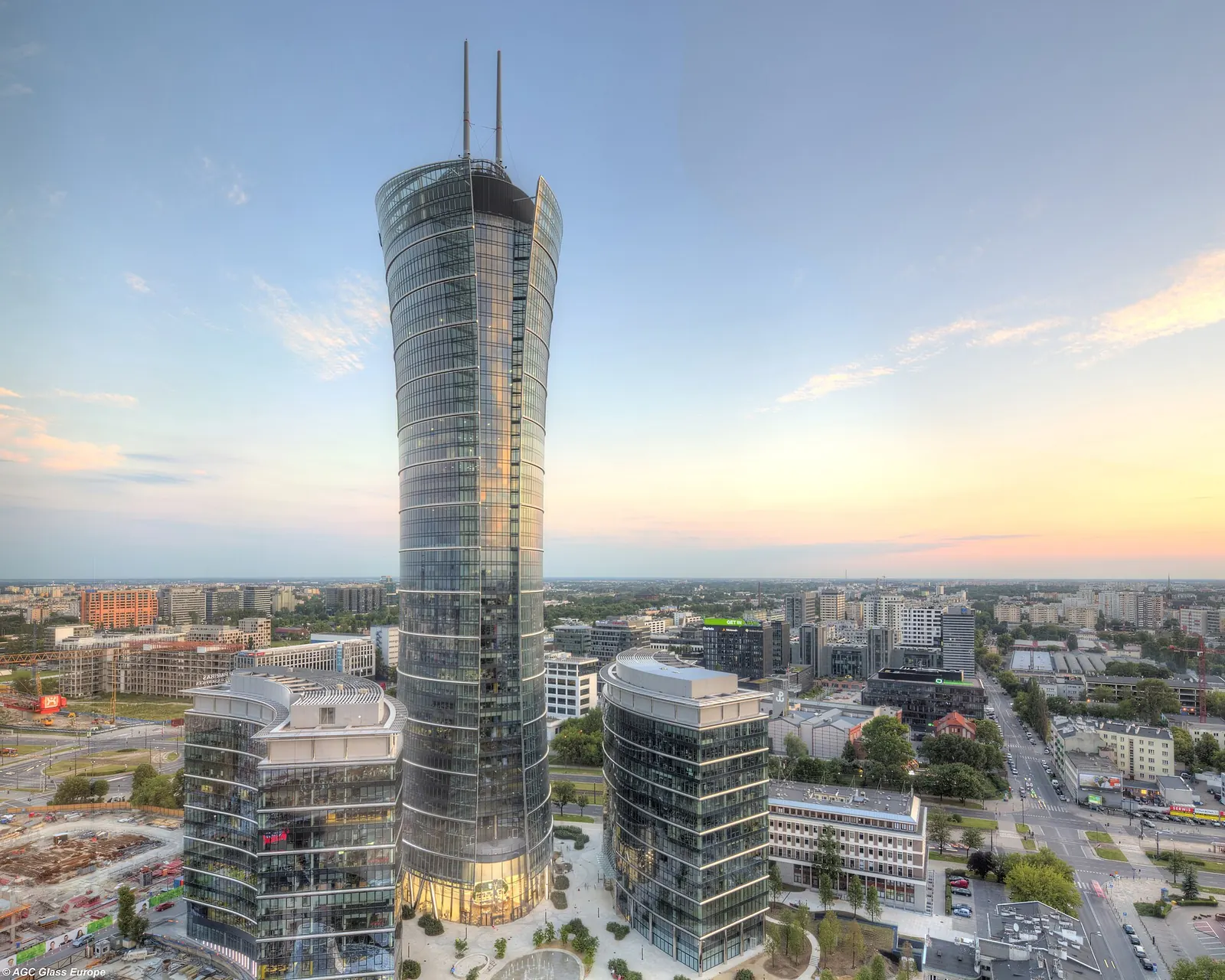
Today eastern Wola, around Rondo Daszyńskiego and ul. Prosta, is effectively an extension of the city centre's business district: glass office blocks, new apartment towers and busy streets. Further west things calm down, with older estates interspersed with new developments on former factory sites. Wola is a mixed place — corporate staff, long-standing cooperative residents and renters who want to be close to the centre all live side by side.
02Neighbourhoods
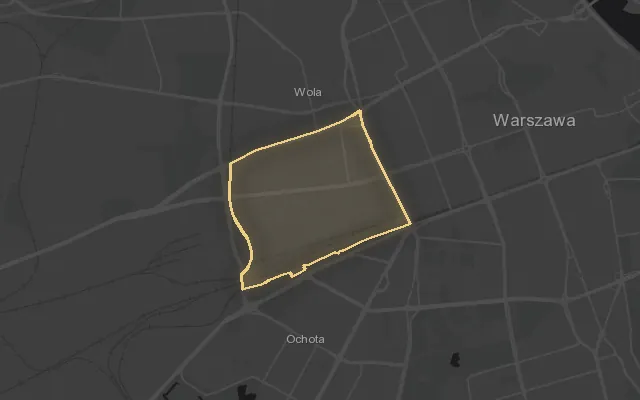
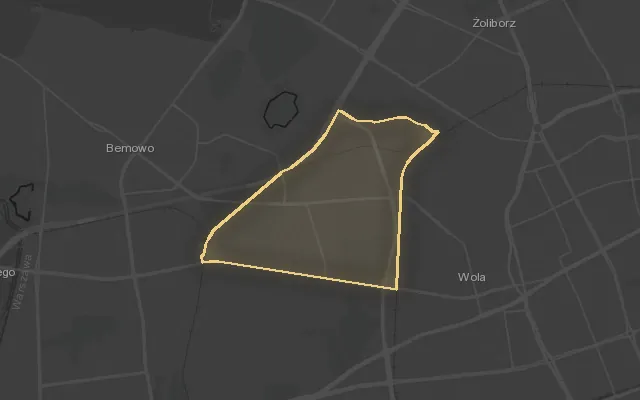
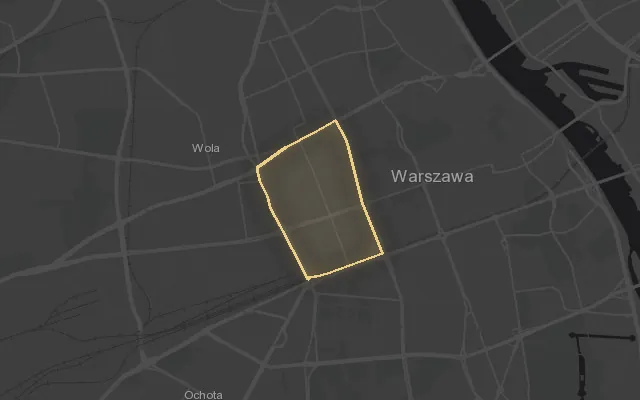
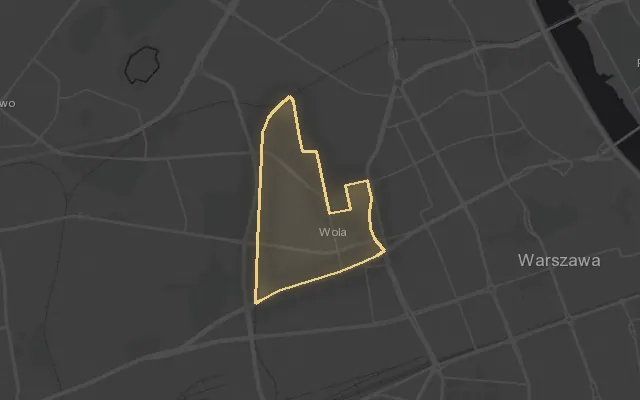
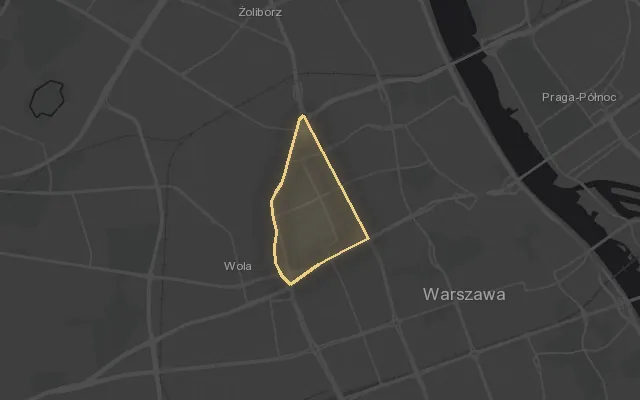
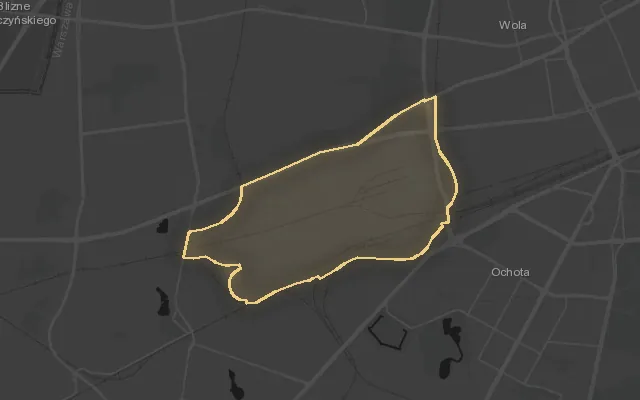
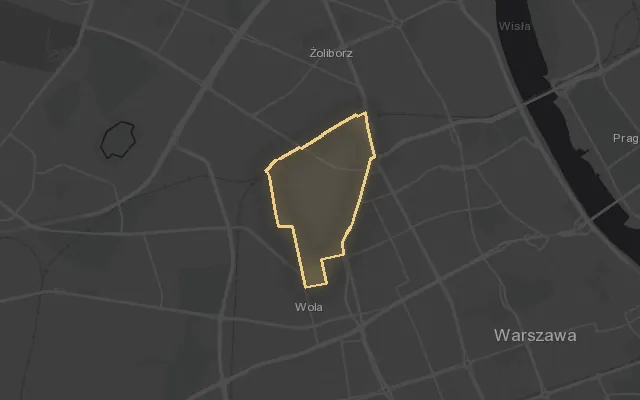
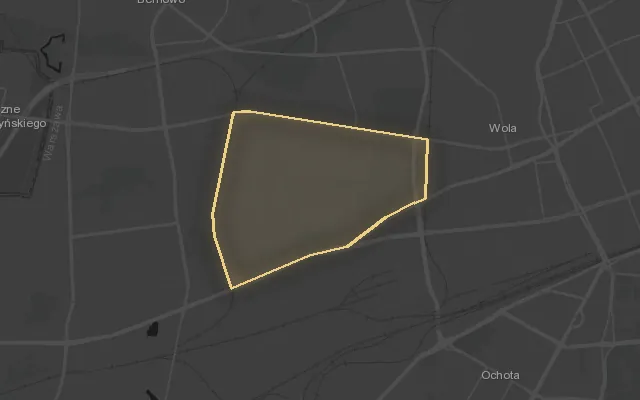
Mirów and Nowolipki border the city centre, with dense urban streets and the shortest walk into Śródmieście. Czyste and the area around Rondo Daszyńskiego are dominated by offices and new apartment buildings. Młynów and Ulrychów sit along the M2 line and mix older blocks with new builds. Koło is a post-war area with plenty of greenery, Powązki is known for its cemetery and quieter streets, and Odolany, a former industrial zone by the railway, is seeing a lot of new housing.
03Everyday life
Wola works especially well for office and tech workers — many companies are based around Rondo Daszyńskiego and ul. Prosta, so you can walk to work. Expats tend to choose new buildings with lifts, concierge desks and good transport. Students look for rooms and studios in older blocks, though prices are higher than in outer districts. Families more often settle in the western part, in Koło and Ulrychów.
04Transport
The M2 metro line crosses Wola with stations at Rondo Daszyńskiego, Płocka, Młynów and Księcia Janusza; from Rondo Daszyńskiego, Świętokrzyska is just a few minutes away. A dense tram network runs along ul. Wolska, Górczewska and al. Solidarności, among others. Warszawa Zachodnia station, on the district's edge, has SKM and long-distance trains. Driving into town is quick on paper, but ul. Wolska and the Rondo Daszyńskiego area are congested at rush hour.
05Green space
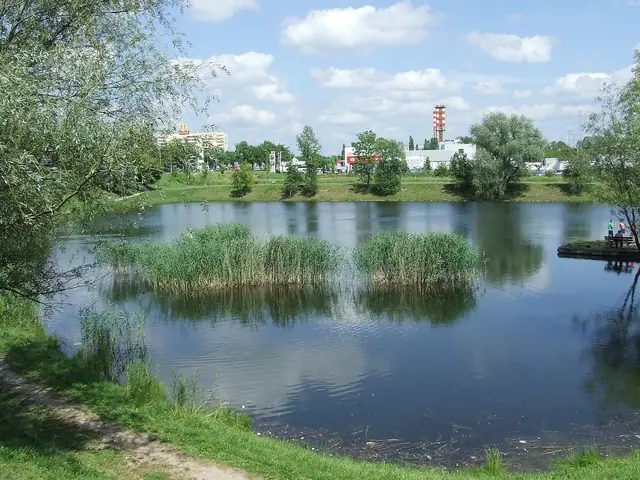
The largest green space is Park Moczydło, with a hill and ponds, popular with families and runners. Smaller parks such as Park Szymańskiego and Park Sowińskiego offer a break from the dense streets. Wola does not reach the Vistula, but the riverside boulevards are a short metro or bike ride away. There are plenty of gyms and fitness clubs, and the new quarters around the office towers have a growing choice of restaurants and cafés.
06Rental market
Wola is among Warsaw's priciest districts to rent in: as of autumn 2026, asking rents average around 90 zł/m², with a median monthly rent of around 3,600 zł. Supply is large — about 6,500 listings. As a rough guide, a studio (kawalerka) costs around 2,800 zł and a two-room flat around 3,750 zł a month. New towers near Rondo Daszyńskiego usually cost more, older blocks in Koło or Ulrychów less. The service charge (czynsz administracyjny) is extra.
● Pros
- M2 metro and proximity to the centre
- Many employers within walking distance
- Wide choice of new-build flats
- Good tram network
- Plenty of shops, services and restaurants
● Cons
- Some of the highest rents in Warsaw
- Noise and traffic on main roads
- Lots of ongoing construction
- Less greenery in the eastern part