
According to autumn 2026 data, the average asking rent in Wola is around 90 zł/m², and a studio costs roughly 2,800 zł a month. Add the czynsz administracyjny (service charge), usually near the lower end of the 500–1,400 zł range for a small flat. Supply is large — around 6,500 listings. New towers near Rondo Daszyńskiego tend to be dearer, while blocks in Koło or Ulrychów are cheaper.
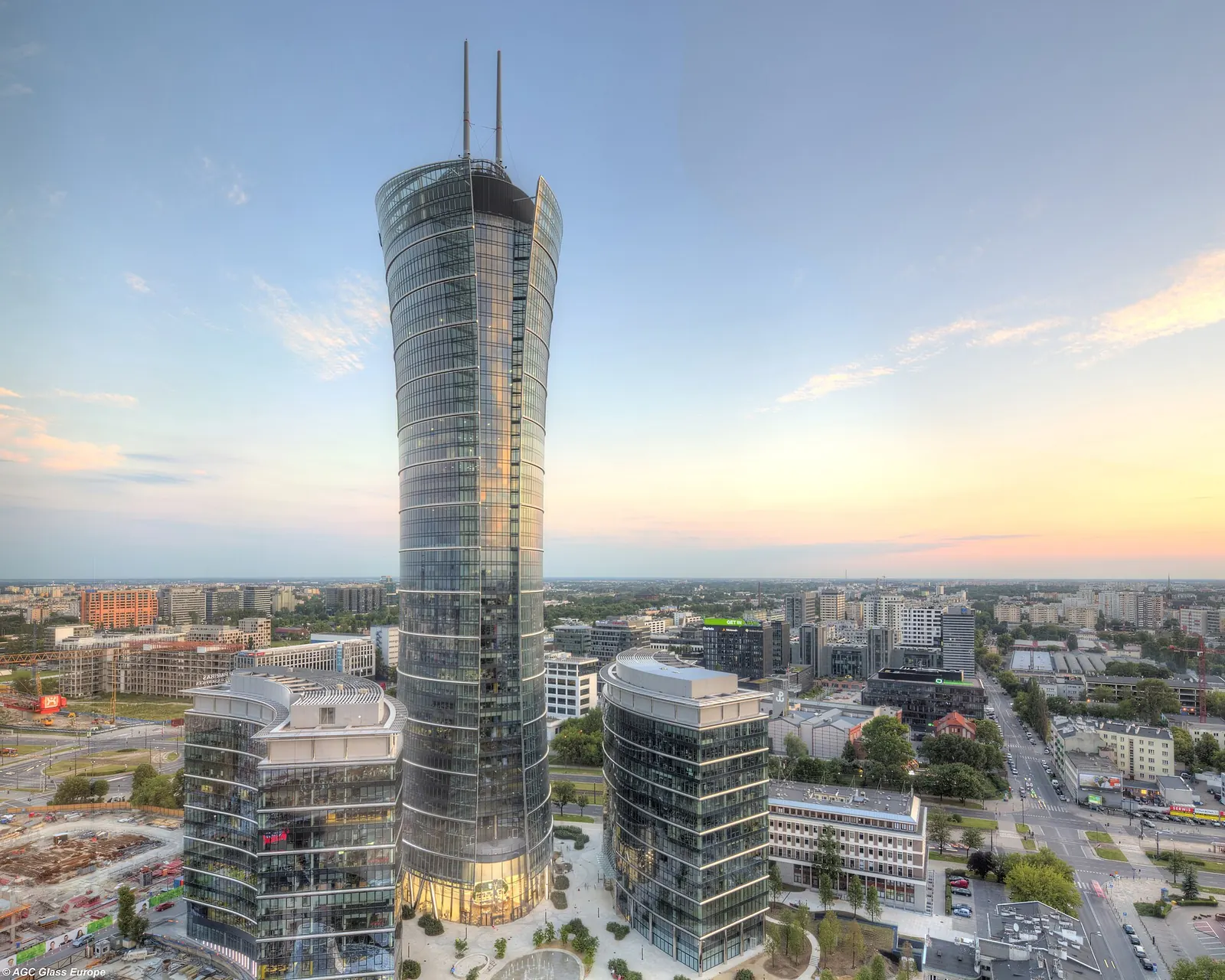
Mirów and Nowolipki border Śródmieście — dense, urban streets and the shortest route into town. Czyste and the area around Rondo Daszyńskiego mean office towers and new apartment buildings, convenient if you work there. Młynów and Ulrychów, by M2 stations, mix older blocks with new developments, and Odolany is a former industrial area where a lot of new housing is going up. Wola suits singles and couples working in nearby offices or in the centre who value a short commute and good amenities. The downsides are high rents, noise and traffic on Wolska and Górczewska, a lot of construction and less greenery in the eastern part.
Tips
- Ask whether another tower or office block is planned next door.
- View a flat on Wolska or Górczewska during rush hour.
- Compare new towers near Daszyńskiego with blocks in Koło — the price gap is clear.
Rental market
Wola is among Warsaw's priciest districts to rent in: as of autumn 2026, asking rents average around 90 zł/m², with a median monthly rent of around 3,600 zł. Supply is large — about 6,500 listings. As a rough guide, a studio (kawalerka) costs around 2,800 zł and a two-room flat around 3,750 zł a month. New towers near Rondo Daszyńskiego usually cost more, older blocks in Koło or Ulrychów less. The service charge (czynsz administracyjny) is extra.