
01Character
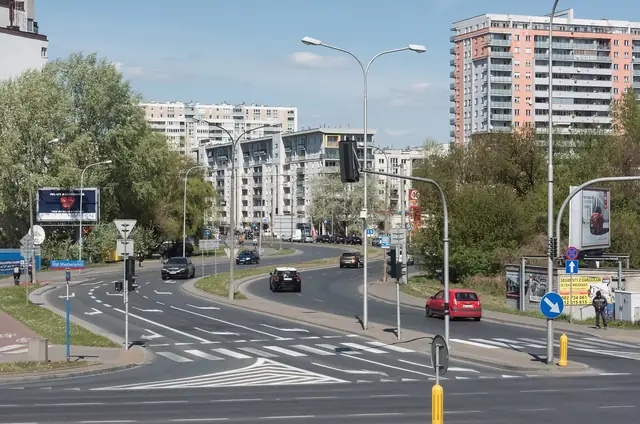
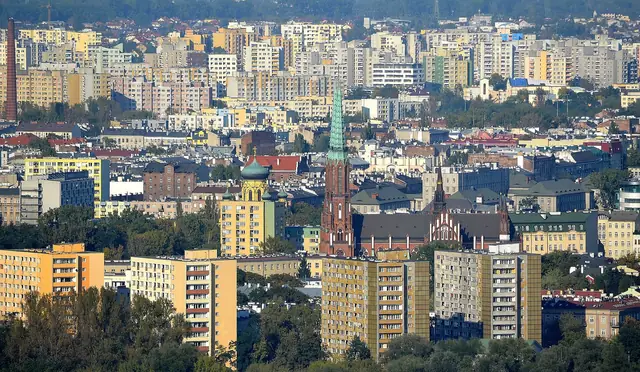
The district grew out of old villages and the suburbs of Praga. Olszynka Grochowska is known for a battle of the 1830–31 November Uprising, and Kamionek is among the oldest settlements on Warsaw's right bank. Between the wars Saska Kępa developed with modernist villas and quiet streets, while Grochów filled with tenements and workers' housing. After the war came large housing estates, including Gocław in the later decades of the 20th century.
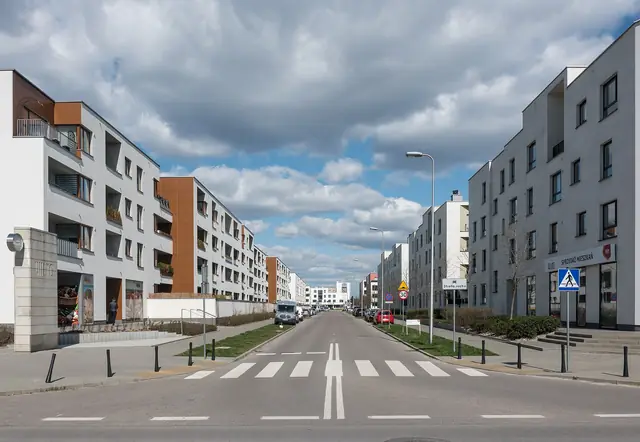
Each part has its own character. Saska Kępa, centred on ul. Francuska, is calm, leafy and full of cafés. Kamionek and the area around ul. Mińska are changing fast, with lofts and new developments on former industrial sites such as Soho Factory. Grochów is down-to-earth and urban, while Gocław is large, orderly and family-oriented. The district appeals to people who want to be close to the centre while paying less than on the west bank.
02Neighbourhoods
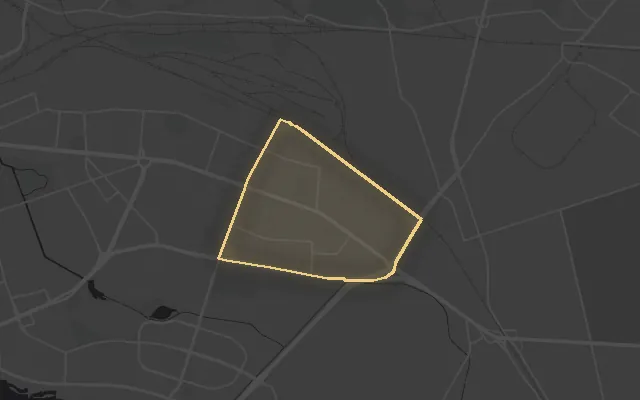
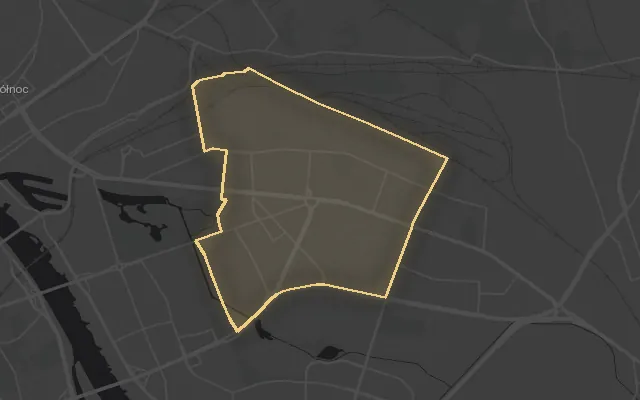
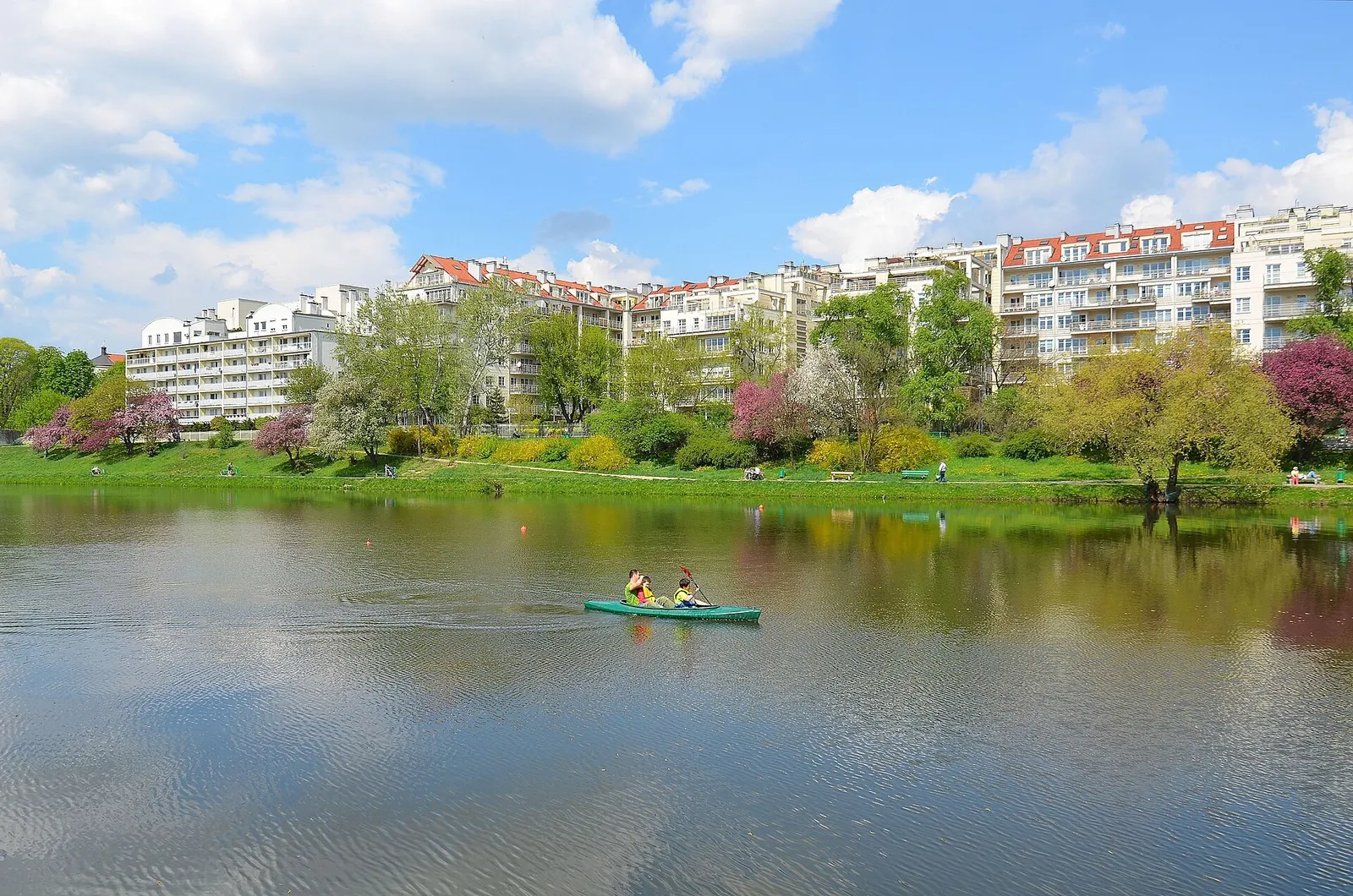
Saska Kępa is the most sought-after part, with pre-war villas, low-rise streets and the Vistula and National Stadium close by. Kamionek, around Skaryszewski Park and Warszawa Wschodnia station, mixes tenements, lofts and new blocks. Grochów, along ul. Grochowska, combines older buildings with estates from various decades. Gocław and Gocławek are large estates with a small lake and plenty of services, and Olszynka Grochowska is a quieter, partly wooded area in the east.
03Everyday life
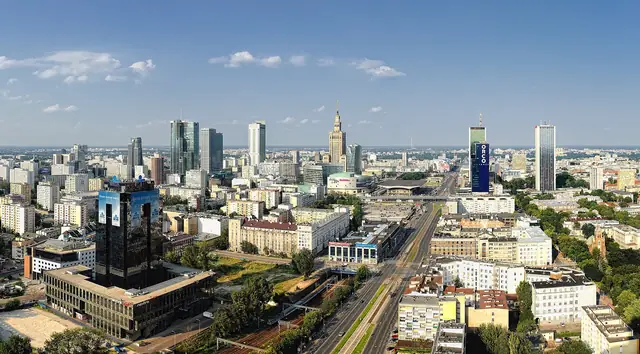
Praga-Południe suits families, especially in Gocław and Grochów with their many schools, nurseries and playgrounds. Students look for cheaper rooms and studios in Grochów. Expats often choose Saska Kępa and Kamionek for their atmosphere and proximity to the centre. Tech and office workers value the quick hop across the river or by M2 metro to Śródmieście and Wola.
04Transport
Stadion Narodowy station on the M2 line, on the edge of Saska Kępa and Kamionek, is just a few minutes from Świętokrzyska. SKM and regional trains serve stations including Warszawa Wschodnia, Warszawa Stadion and Warszawa Grochów. Trams run along ul. Grochowska and al. Waszyngtona over Poniatowski Bridge into the centre. From Gocław the commute is longer and usually involves a change. Drivers use the Poniatowski, Łazienkowski and Siekierkowski bridges, all busy at rush hour.
05Green space
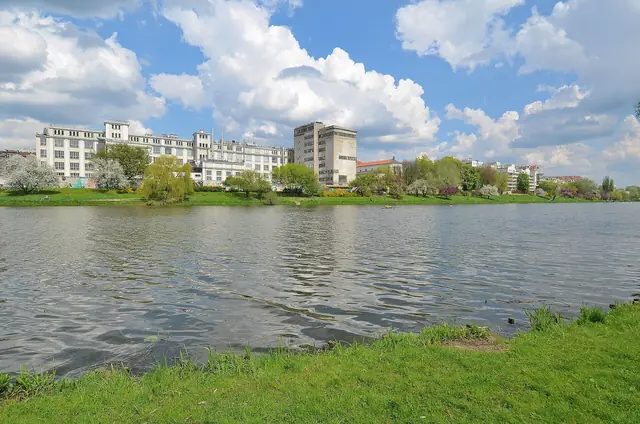
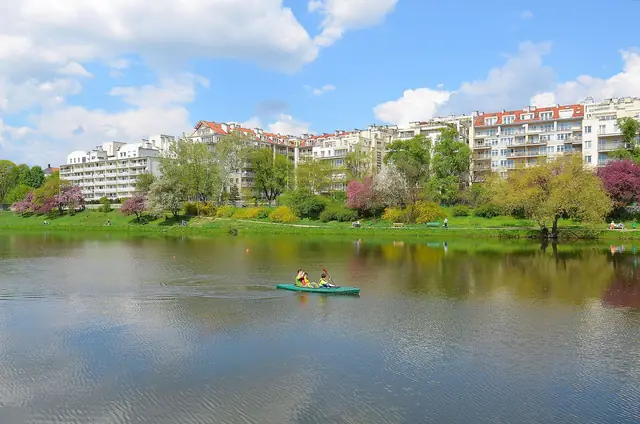
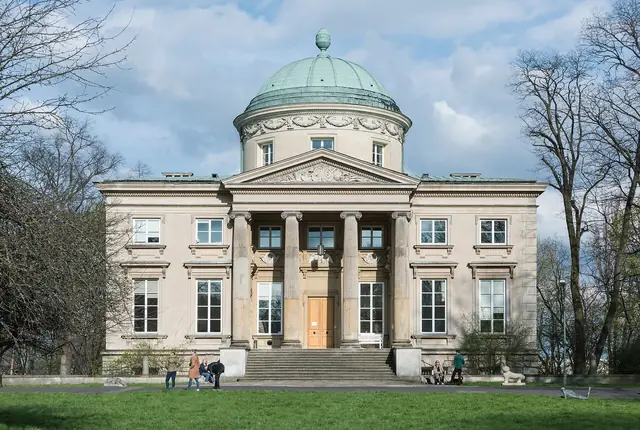
The main park is Skaryszewski Park, with Kamionkowskie Lake, tree-lined paths and cafés — one of Warsaw's finest. Cycle paths and the wild beaches of the right bank run along the Vistula, and Gocław has its own lake and recreation areas. The National Stadium hosts concerts and events, and there is no shortage of pools, gyms, bars and restaurants.
06Rental market
As of autumn 2026, average asking rents in Praga-Południe are around 76 zł/m², with a median monthly rent of around 3,000 zł. Supply is large — about 4,500 listings. As a rough guide, a studio (kawalerka) costs around 2,400 zł and a two-room flat around 3,150 zł a month. Saska Kępa and flats near the metro cost the most; Gocław and older blocks in Grochów are cheaper. Add the service charge (czynsz administracyjny).
● Pros
- Close to the centre across the river
- M2 metro and good SKM links
- Skaryszewski Park and the Vistula banks
- Wide choice of flats at different prices
- Good amenities for families
● Cons
- Bridge congestion at rush hour
- Longer commute from Gocław
- Noise near main roads
- Some older buildings need renovation