
01Character
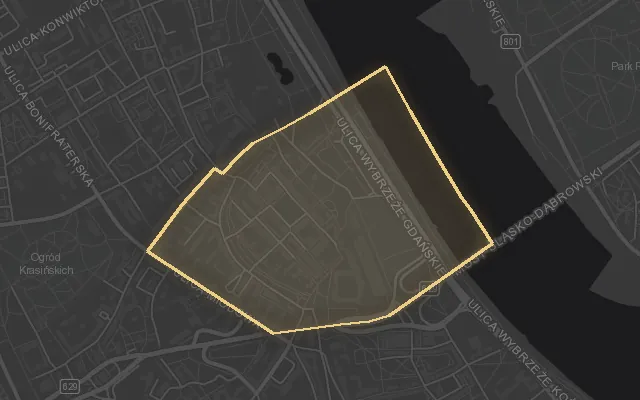
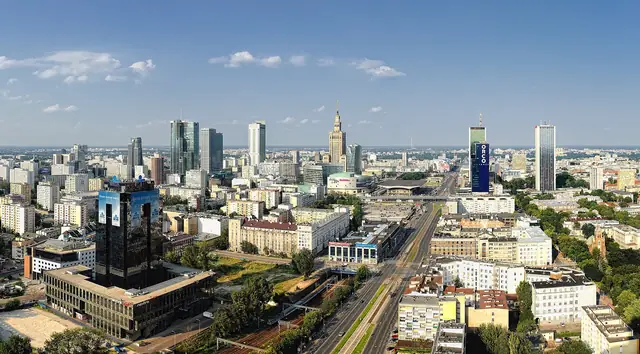
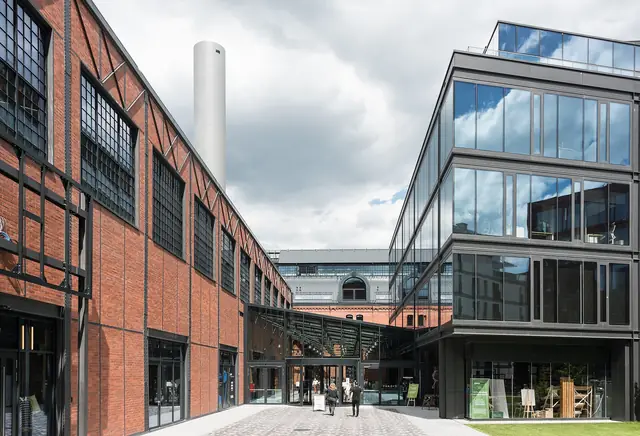
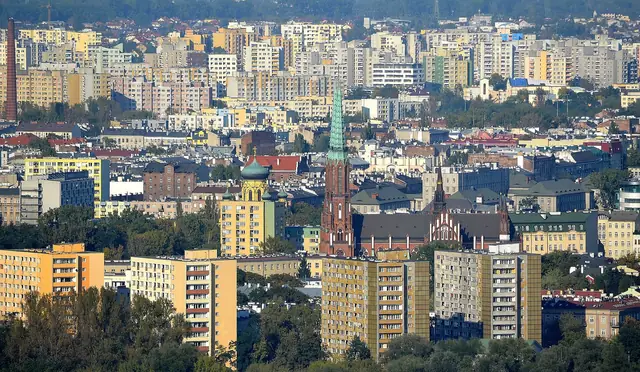
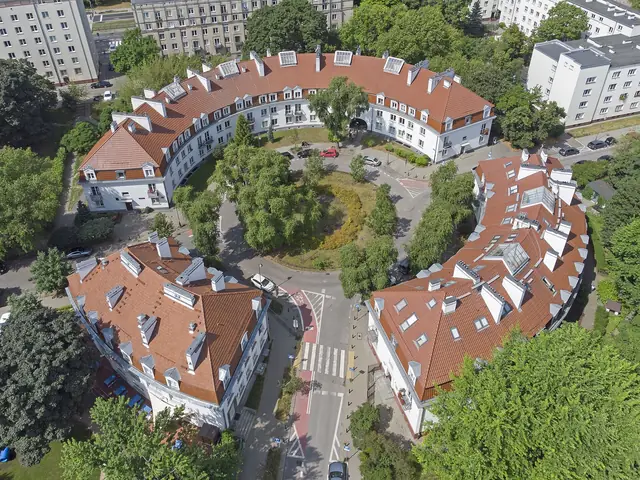
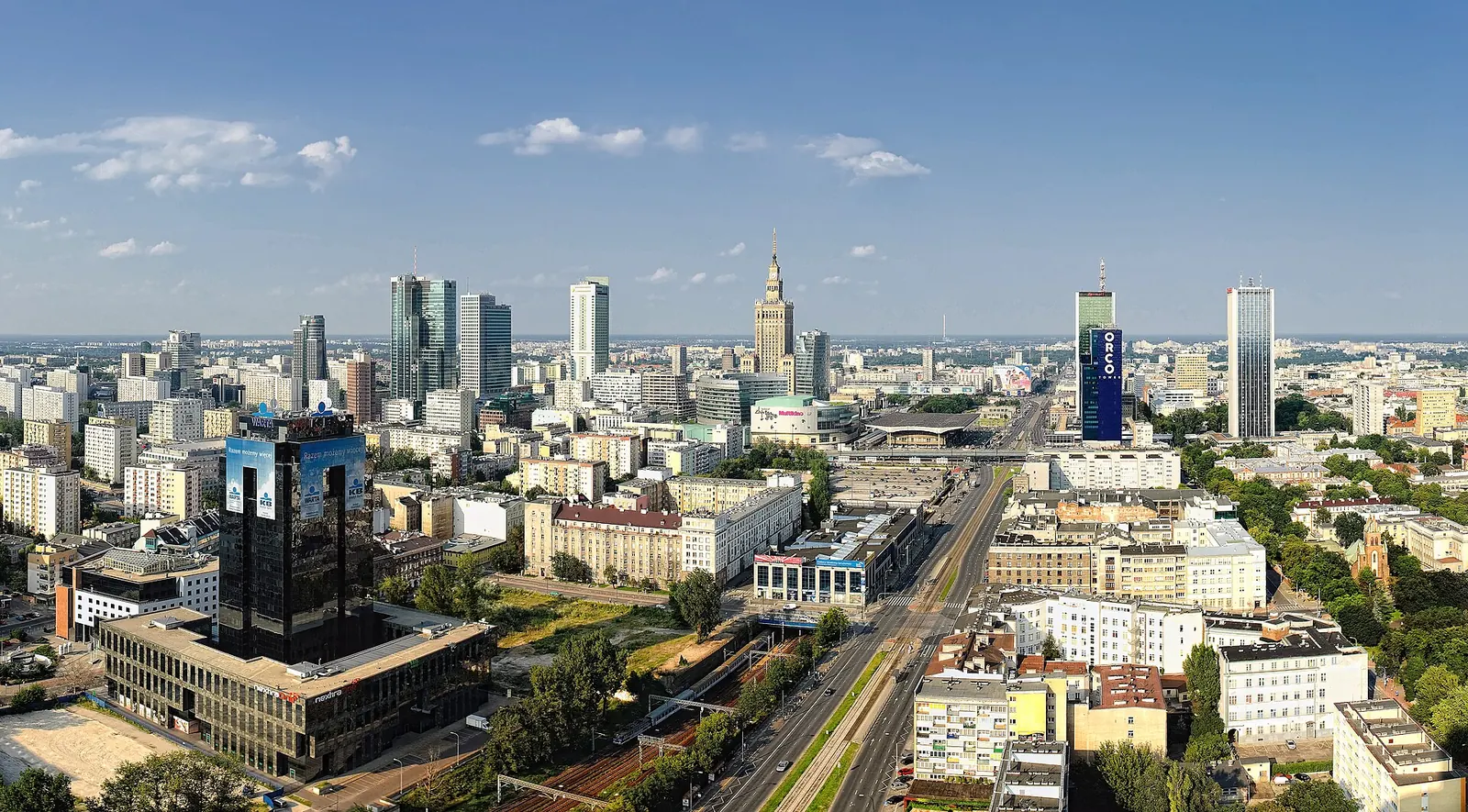
Much of Śródmieście is the result of post-war reconstruction. The Old Town and New Town were rebuilt after their destruction in 1944, and the Old Town is a UNESCO World Heritage Site. Around them stand surviving and restored tenement houses along the Royal Route, the socialist-realist MDM quarter at pl. Konstytucji and Marszałkowska, post-war Muranów and the Palace of Culture and Science, now ringed by a growing cluster of skyscrapers.
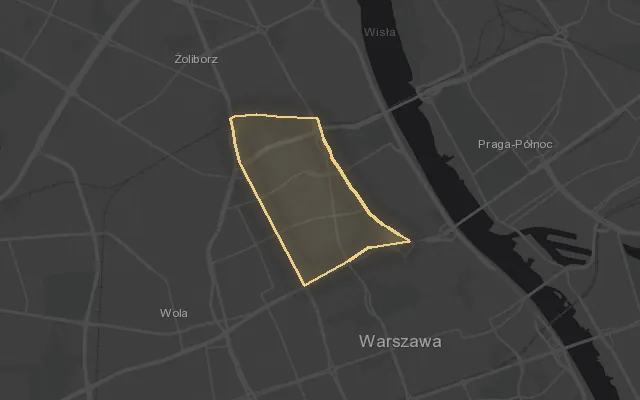
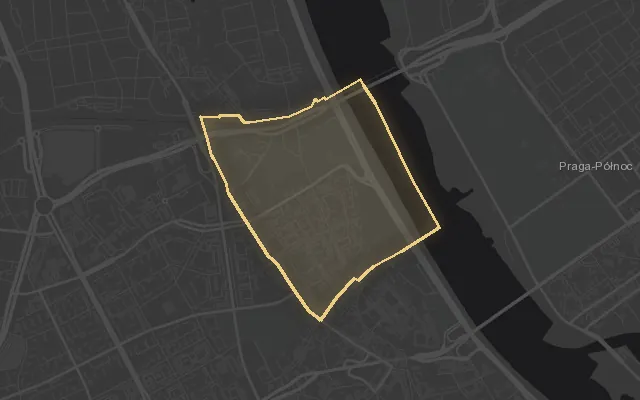
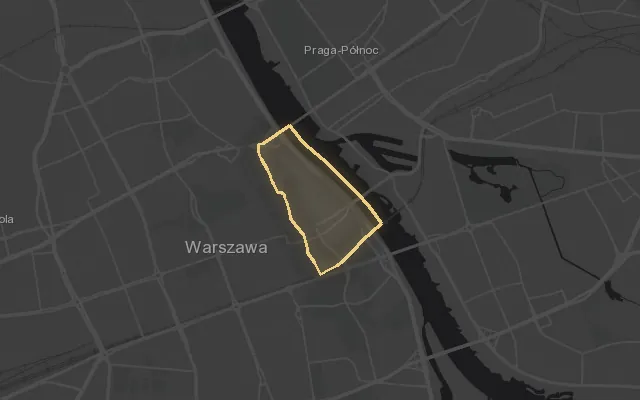
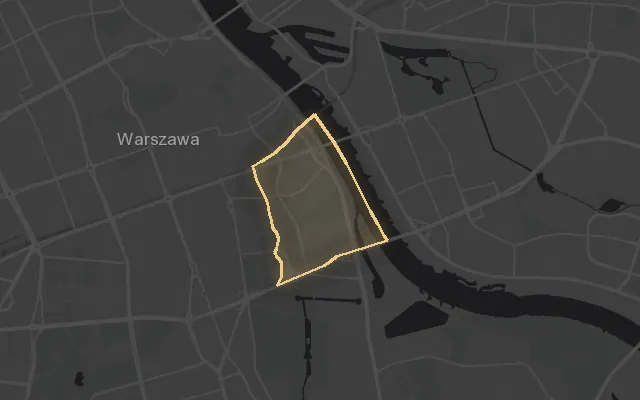
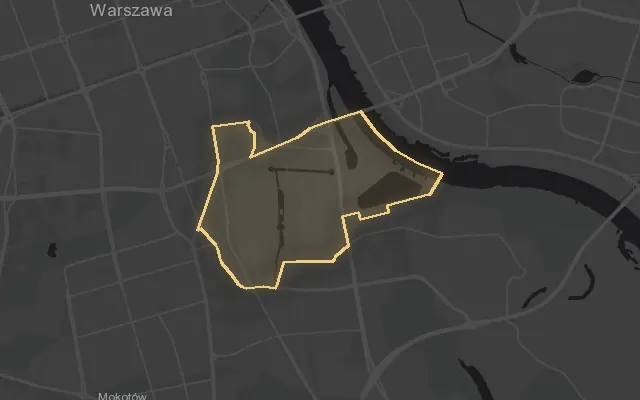
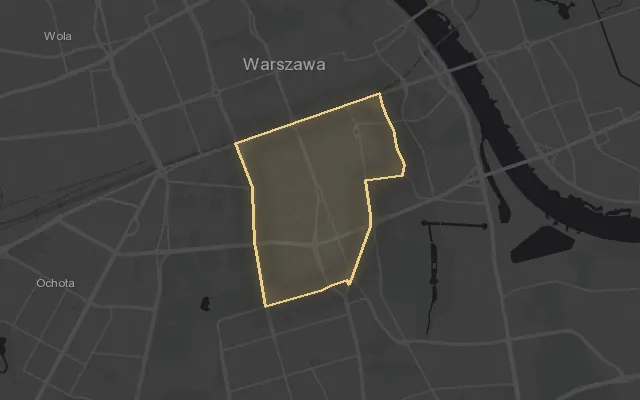
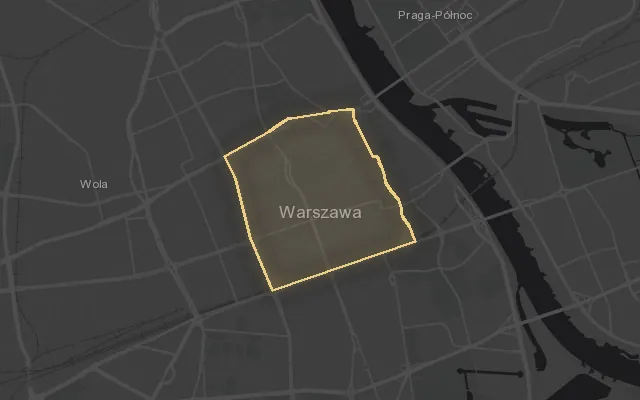
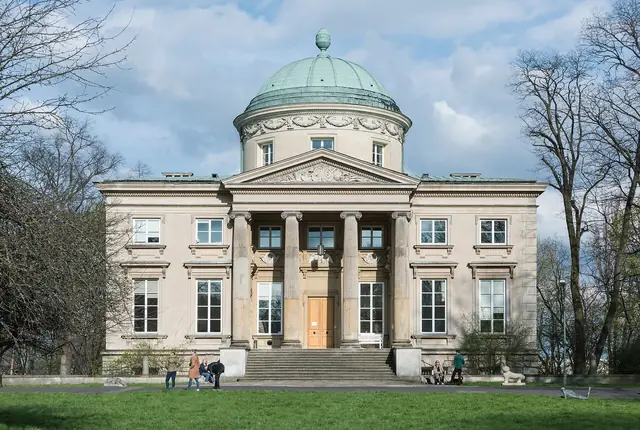
Each part of the district has its own character. Powiśle is trendy and studenty, with the Vistula boulevards, the Copernicus Science Centre and the University Library. Śródmieście Południowe means tenement houses, bars and nightlife around Mokotowska, Hoża and plac Zbawiciela. Ujazdów is embassies, parks and grand avenues. The mood is unmistakably big-city: crowds, traffic, restaurants and culture at every turn.
02Neighbourhoods
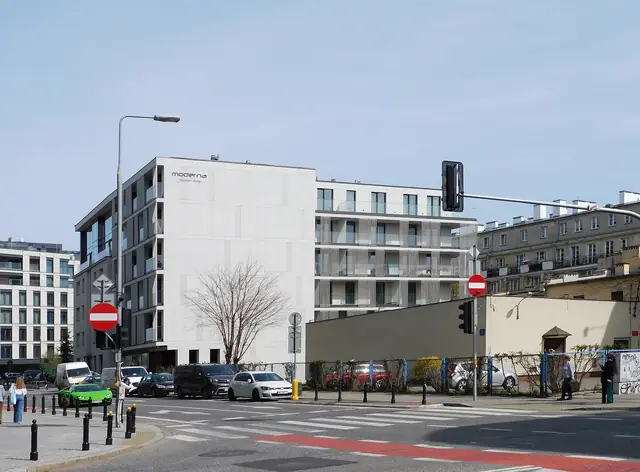
Most rental flats are in Śródmieście Południowe and Śródmieście Północne — in tenement houses, communist-era blocks and new apartment towers near the business district. Powiśle and Solec draw renters with new developments and the river, while Muranów offers calmer, greener post-war housing. The Old Town and New Town have few flats for long-term rent, and Ujazdów, by Łazienki Park, is quieter and more expensive.
03Everyday life
Śródmieście mostly attracts singles and couples working in the business district, expats who want everything within walking distance, and students at the University of Warsaw and the University of Technology, often in shared flats. IT workers and consultants value the short walk to the offices around Rondo ONZ and Daszyńskiego. Families with children choose it less often: it is louder, pricier and parking is harder.
04Transport
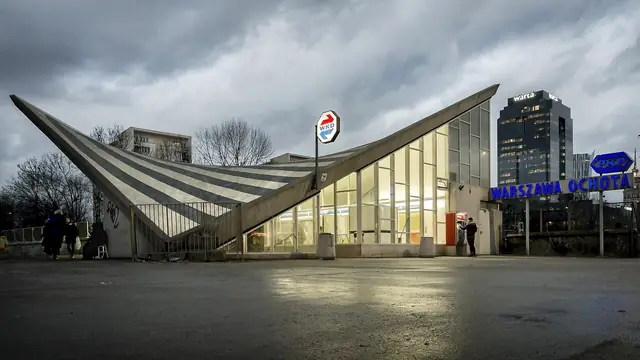
This is Warsaw's best-connected district. The M1 (including Politechnika, Centrum, Świętokrzyska and Ratusz Arsenał) and M2 (Rondo ONZ, Świętokrzyska, Nowy Świat-Uniwersytet and Centrum Nauki Kopernik) lines meet here. There is Warszawa Centralna station, SKM stops at Śródmieście and Powiśle, and the WKD terminus at Śródmieście, with trams and buses heading in every direction. Many places are simply within walking distance. A car is more of a burden than a help: paid parking, traffic and few spaces.
05Green space
Despite the density, there is plenty of green space. Łazienki Park, Ujazdowski Park, the Saxon Garden and Krasiński Garden are classic places for a walk, and in summer the Vistula boulevards in Powiśle fill with people. Add theatres, museums, cinemas, clubs and hundreds of restaurants, as well as gyms and pools in office buildings and hotels.
06Rental market
Śródmieście is Warsaw's most expensive district to rent in: as of autumn 2026 there were around 5,900 listings, at an average of about 90 zł/m². The median rent is around 3,500 zł a month, as flats here tend to be smaller than on the outskirts. As a rough guide, a studio (kawalerka) costs about 2,800 zł, a two-room flat about 3,750 zł, and three-room flats usually start from around 4,850 zł, with premium buildings well above that. You will usually also pay the czynsz administracyjny (building service charge), typically 500 to 1,400 zł depending on size.
● Pros
- Two metro lines and main stations
- Everything within walking distance
- Culture, food and nightlife
- Close to offices and universities
- Łazienki, boulevards and parks
● Cons
- Highest rents in Warsaw
- Noise and crowds, even at night
- Parking is difficult
- Older tenements without lifts