The best districts to live in Warsaw in 2026
There is no single best district: a family with children, a student and someone working in a Wola office tower all want different things. So instead of scores, we place each district in five categories and briefly explain why. Districts are listed alphabetically; rents are as of autumn 2026.
 Reviewed byRoman ChekashevFounder & Director, Chekashoff Estate · Updated 08.11.2026
Bemowo
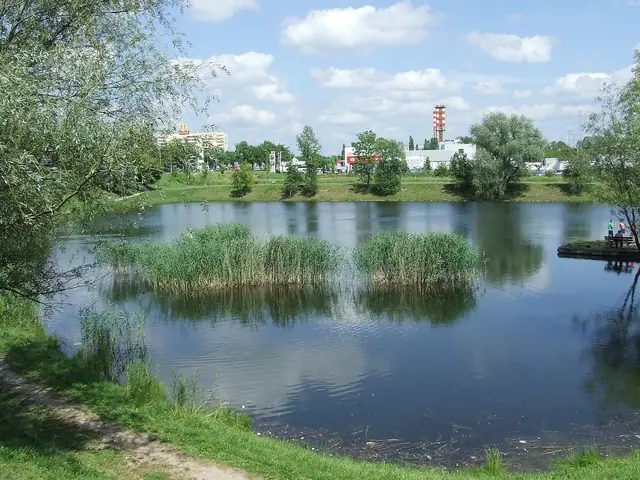
Large communist-era estates alongside new developments, the M2 metro and plenty of green space around Fort Bema. Rents are below the city average at about 74 zł per m².
Białołęka
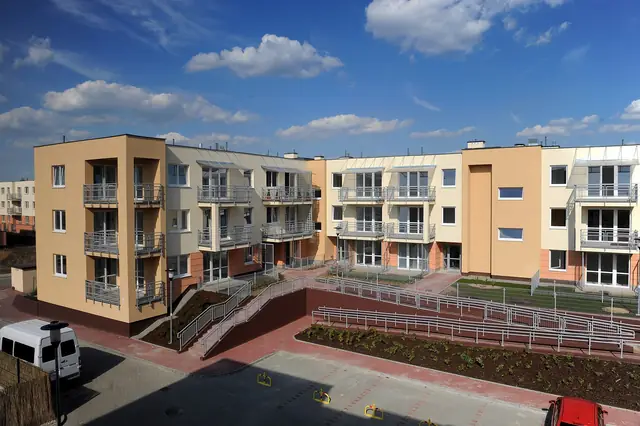
The lowest rents in Warsaw, at around 68 zł per m², and many new estates with schools and shops. The downsides are no metro and rush-hour queues on the bridges.
Bielany
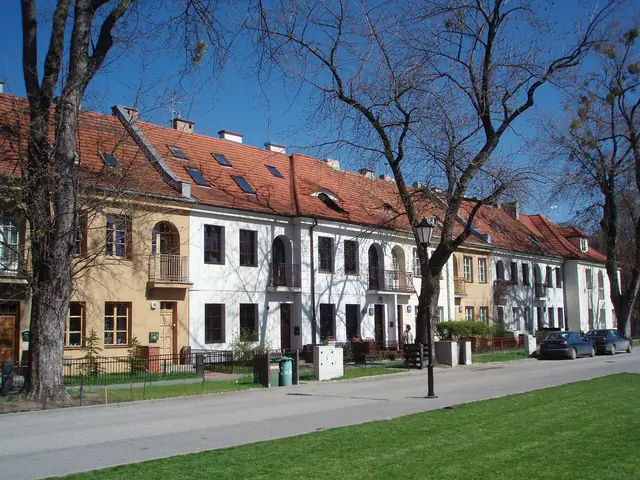
Its main draws are the Las Bielański woods, the nearby Kampinos Forest and the M1 metro line. AWF and UKSW universities are here, so student rooms and studios are easy to find.
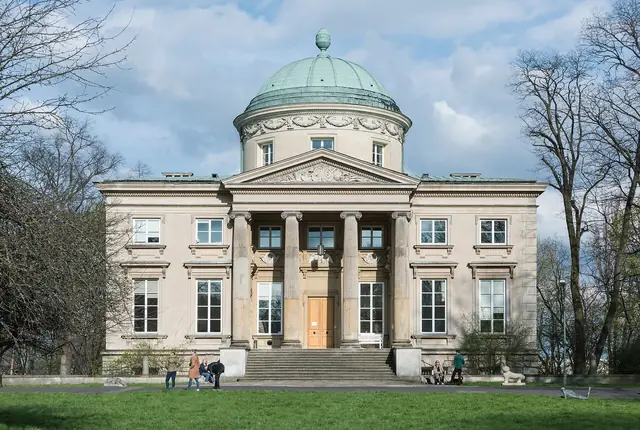
Mokotów
The largest rental market in the city, with the M1 metro, Pole Mokotowskie and Morskie Oko park. Rents are close to the average, and the choice runs from tenements to new builds.
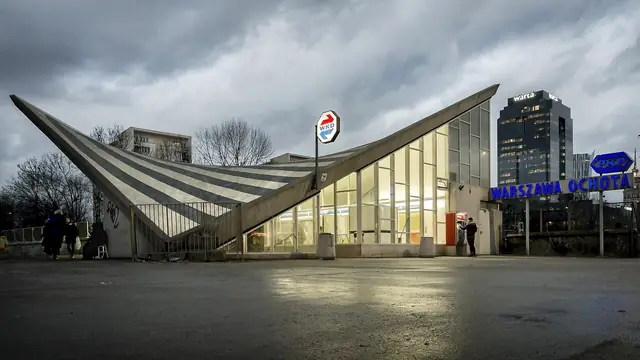
Ochota
A quick trip into the centre, the Warszawa Zachodnia station and university campuses on ul. Banacha. Rents are a little lower than in the centre, though some streets are noisy.
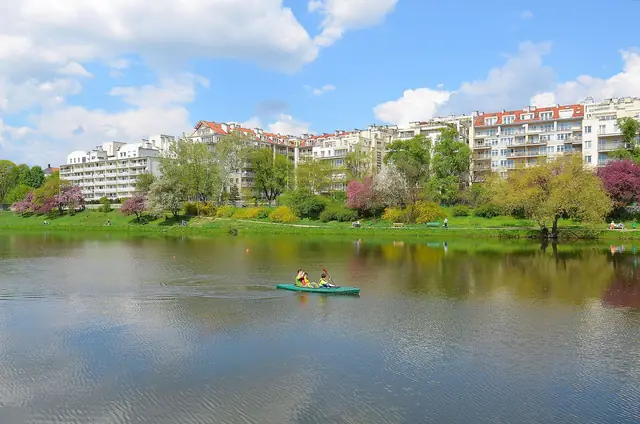
Praga-Południe
Saska Kępa, Grochów and Gocław are very different neighbourhoods, with Skaryszewski Park and the Vistula boulevards close by. The centre is a bridge or an M2 ride away.
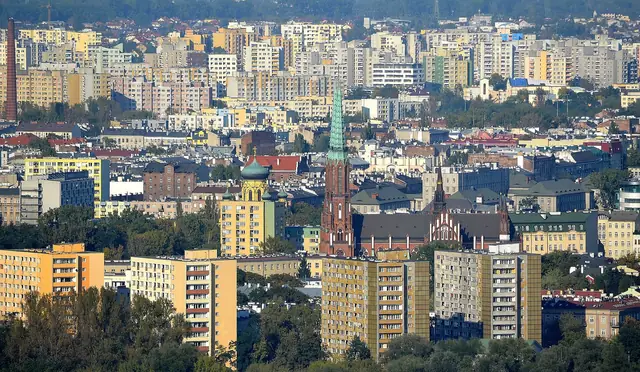
Praga-Północ
Pre-war tenements, regenerated quarters such as Koneser and the M2 metro just across the river from the Old Town. The area is changing fast, but some streets still need work.
Rembertów
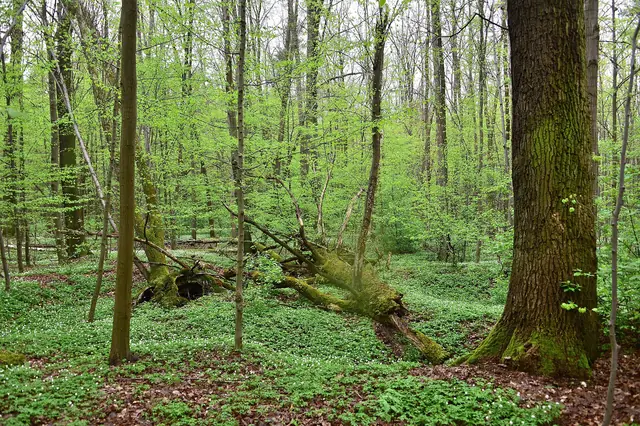
The lowest average rents in the city and lots of forest around. Listings are scarce, though, and the train is the main link to the centre.
Śródmieście
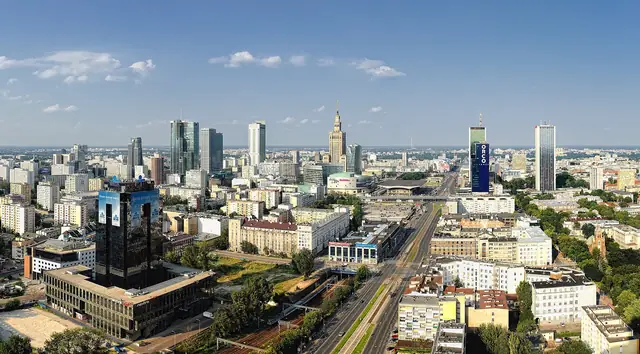
Both metro lines, plus the University of Warsaw and the Warsaw University of Technology within walking distance. It is the priciest district, about 90 zł per m², with noise and hard parking.
Targówek
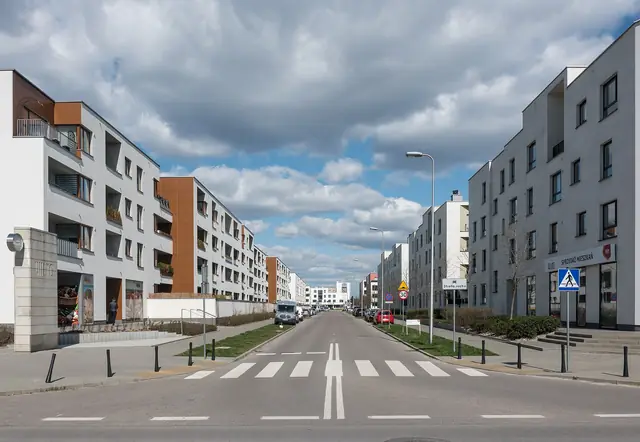
The M2 metro, Bródnowski Park and below-average rents of about 72 zł per m². Communist-era blocks dominate, with new estates filling the gaps.
Ursus
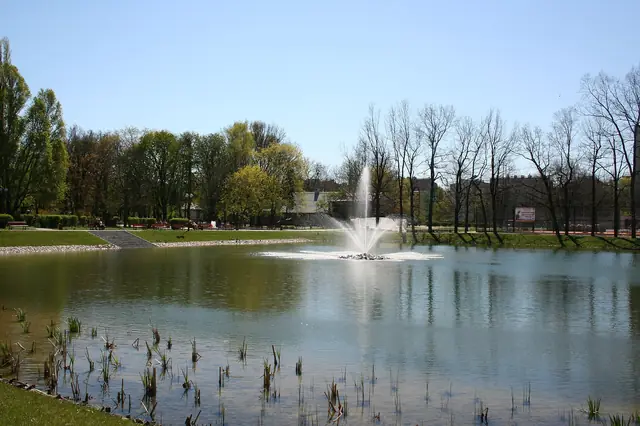
New estates on former factory land and good train links to the centre. There is no metro, but rents are lower than in neighbouring districts.
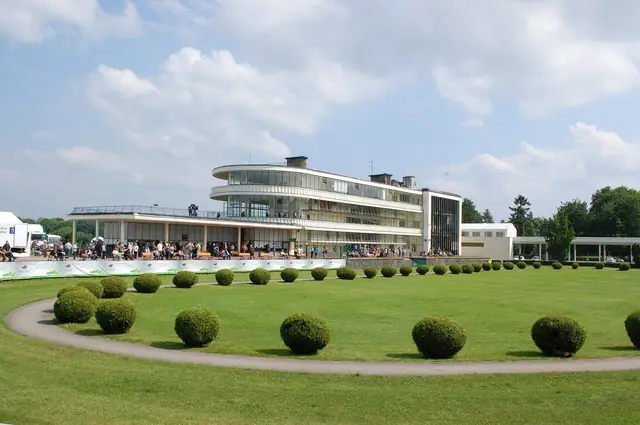
Ursynów
The M1 metro runs all the way to Kabaty, with Kabaty Woods next door and the SGGW campus. At around 69 zł per m², it offers one of the best mixes of price and greenery.
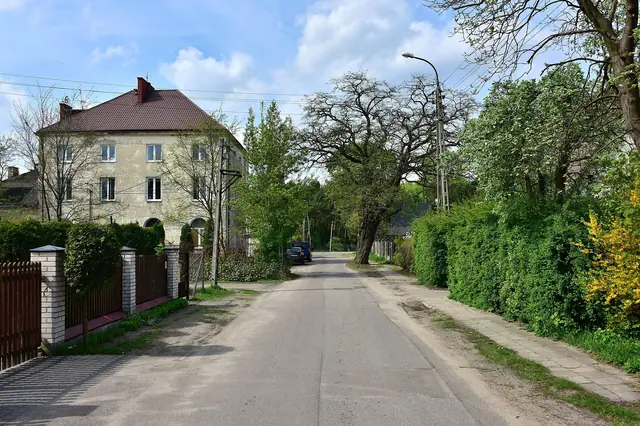
Wawer
Warsaw’s largest district by area, full of forest and detached houses. Rent is cheap at about 70 zł per m², but most commuting is by train.
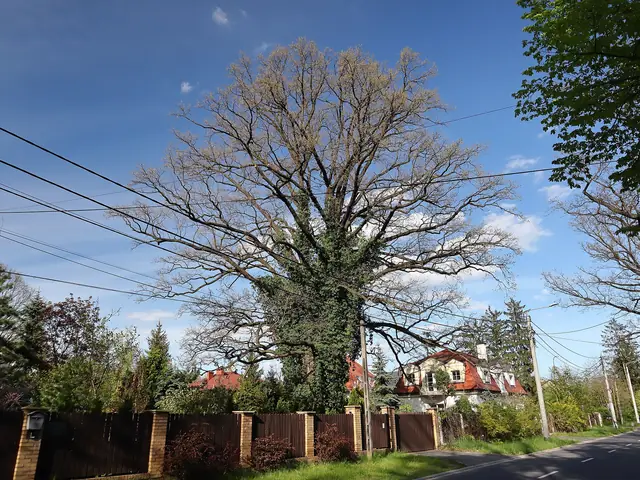
Wesoła
A quiet district of houses among pine forests on the city’s eastern edge. Good for families wanting a house, but hard to get around without a car or the train.
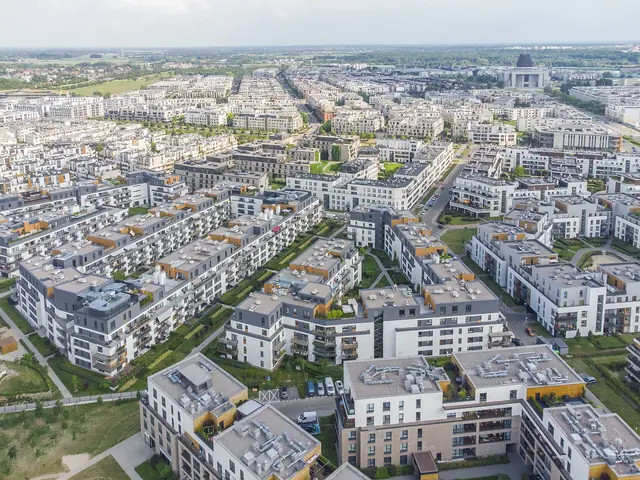
Wilanów
Wilanów Palace and park, plus the new Miasteczko Wilanów with schools and nurseries. Rents are high, there is no metro and the drive into town is often congested.
Wola
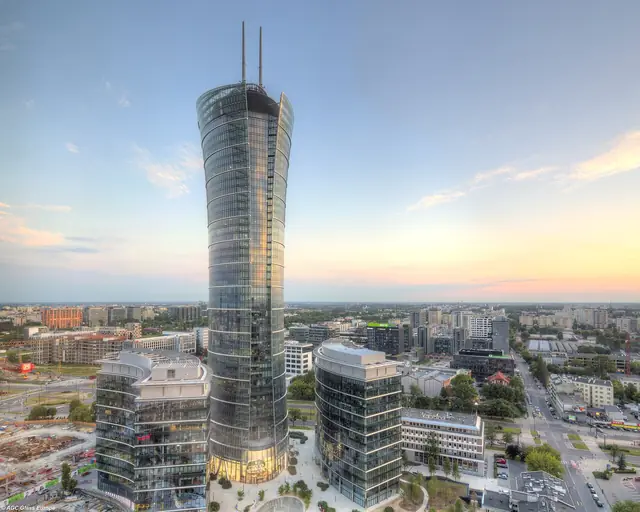
Office towers around Rondo Daszyńskiego, the M2 metro and lots of new buildings. One of the most expensive districts at about 90 zł per m², with constant construction nearby.
Włochy
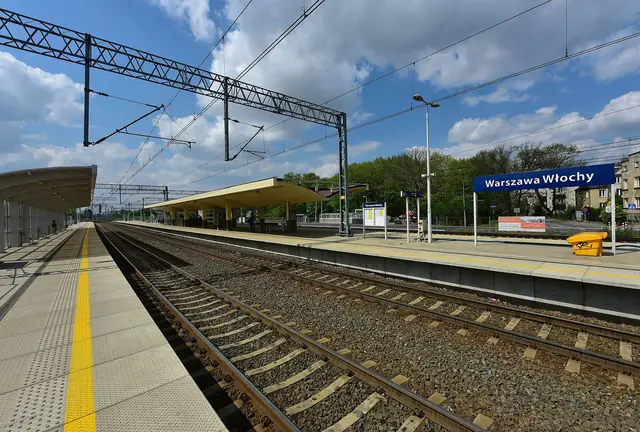
Good train links to the centre and to the offices along Aleje Jerozolimskie. Rents are above average, and parts of the district are near Chopin Airport and its noise.
Żoliborz
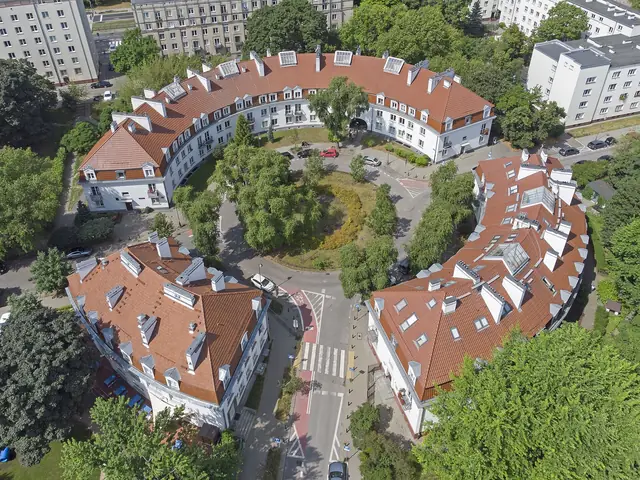
Pre-war villas, Kępa Potocka park and the M1 metro at Plac Wilsona. A calm district close to the centre, but flats are expensive and let quickly.